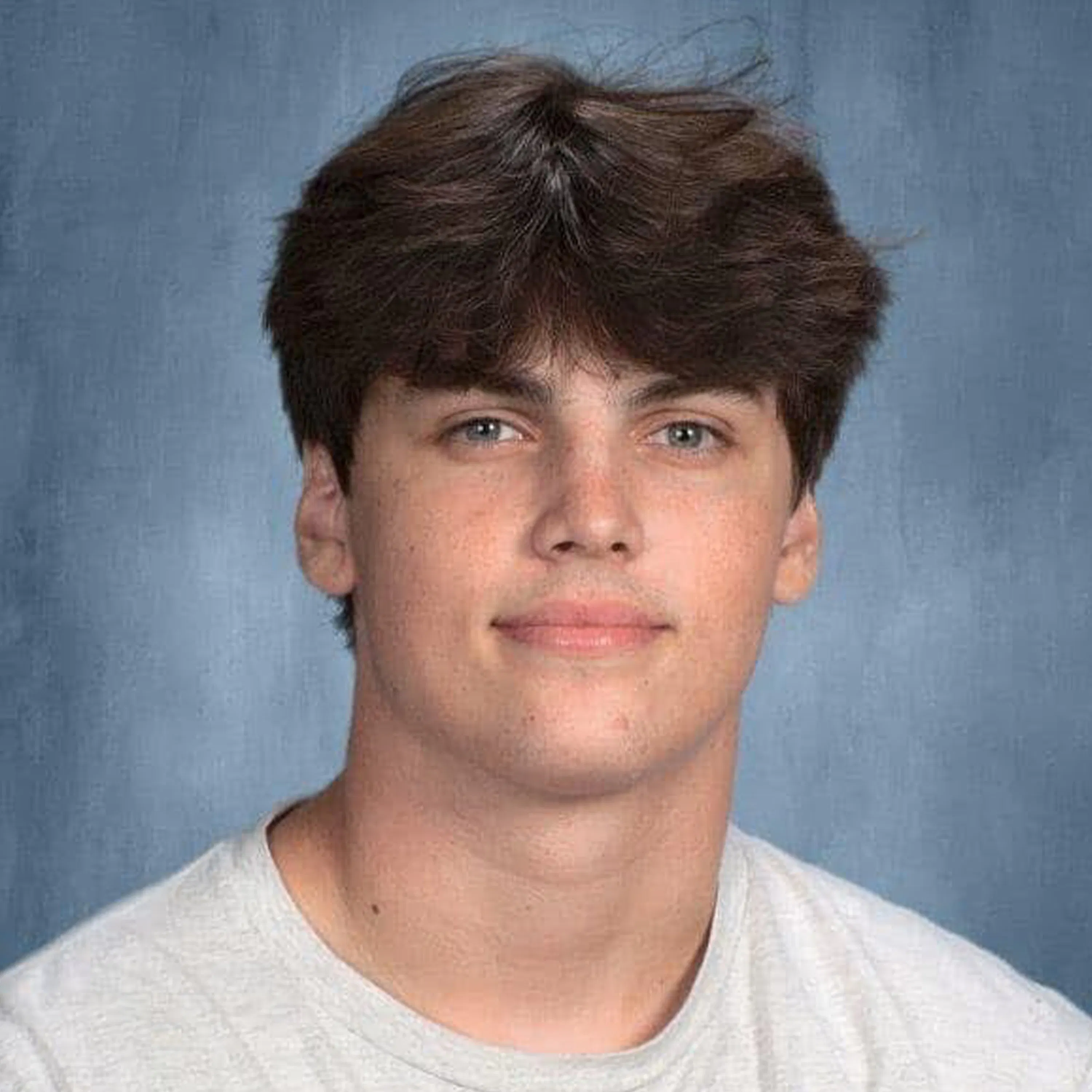
Overview of Morning Wire (June 5, 2026)
This episode centers on three major stories: the racially charged murder trial of Carmelo Anthony in Texas, backlash over Democrats elevating a New Jersey congressional candidate with past associations to Islamist extremist figures, and a new Justice Department filing that intensifies scrutiny of the Southern Poverty Law Center’s alleged ties to extremist activity. The show frames all three as examples of how race, ideology, and institutional trust are shaping high-profile legal and political battles.
Carmelo Anthony Trial: Jury Selection, Self-Defense, and Race
The first segment covers the trial of Carmelo Anthony, the Texas teen accused of fatally stabbing a white high school athlete, Austin Metcalf, at a 2025 track meet in Frisco, Texas.
What happened
- According to the report, the dispute began over seating at the meet.
- Anthony allegedly warned Metcalf with, “touch me and see what happens,” before Metcalf shoved him.
- Prosecutors say Anthony then pulled a knife from his bag and stabbed Metcalf in the chest, killing him on the scene.
The controversy
- During jury selection, prosecutors struck all three available Black jurors.
- That produced an all-white jury, prompting the defense to claim racial discrimination through a Batson challenge.
- The judge allowed the strikes to stand after prosecutors said the jurors were removed because they were teachers, which could be a conflict in a case involving high school students.
Key takeaway
- The defense is expected to argue self-defense, while prosecutors will argue Anthony escalated the confrontation and used deadly force unlawfully.
- The episode emphasizes that the case may become a major appellate issue because of the jury-selection dispute.
New Jersey Democrat Faces Backlash Over Terrorist Ties
The second story focuses on Adam Hamawe/Hamoui (name appears inconsistently in the transcript), a Democrat who won a primary in New Jersey’s 12th congressional district and is now drawing scrutiny for past associations with extremist-linked figures.
Why he is controversial
- He is presented as a respected doctor, Army veteran, and former trauma surgeon who saved Sen. Tammy Duckworth’s life.
- But the episode highlights several troubling associations:
- He served as a defense witness for the Blind Sheikh in the terrorism-related case tied to the 1993 World Trade Center bombing.
- He allegedly worked with or around people connected to extremist networks.
- He volunteered with a medical group in Bosnia later linked in the 9/11 Commission report to al-Qaeda ties.
- He also spent time volunteering in Gaza, which critics say raises further questions.
Political reaction
- Republicans and some commentators argue Democrats are refusing to confront a serious problem.
- The report says only Rep. Jared Moskowitz offered meaningful criticism.
- The main concern is not just his background, but what committees he might serve on if he wins, especially Foreign Affairs or Armed Services.
Key takeaway
- The segment frames this as a test of whether Democrats will tolerate problematic past associations if the candidate is otherwise electorally useful in a safe blue district.
Southern Poverty Law Center Under New DOJ Scrutiny
The final major story discusses a superseding indictment and related DOJ allegations against the Southern Poverty Law Center (SPLC).
Main allegations discussed
According to the guest, Tyler O’Neill:
- The SPLC allegedly funded activities tied to hate groups, including:
- cross-burnings
- KKK hoods and robes
- extremist organizing
- The filing also alleges an SPLC employee was romantically involved with a neo-Nazi.
- Critics say the organization wasn’t just tracking hate groups, but in some cases was helping sustain or expand them in order to support its own operations and fundraising narrative.
Why the case matters
- O’Neill argues the strongest part of the case is the bank fraud claim, where the SPLC allegedly made contradictory statements about who controlled certain accounts.
- He says that part of the filing looks especially difficult for the SPLC to explain away.
- A trial date is set for October 5, and the acting SPLC CEO is scheduled to testify before the House Judiciary Committee next Tuesday.
Key takeaway
- The episode presents the case as potentially devastating for the SPLC’s credibility if the allegations hold up.
Overall Themes
Race and legal legitimacy
- Both the Carmelo Anthony case and the Jersey candidate story are framed through the lens of race, identity, and institutional trust.
Political double standards
- The show argues that Democrats are overlooking troubling associations when they benefit electorally.
Institutional corruption
- The SPLC segment advances the idea that one of the country’s best-known anti-hate organizations may itself have engaged in highly unethical conduct.
Notable Moments
- The defense in the Anthony case argues the jury is biased because it contains no Black jurors.
- Outside the courthouse, supporters chant “Free Carmelo.”
- In the New Jersey segment, Democrats are criticized for being unwilling to publicly distance themselves from the candidate.
- The SPLC discussion includes the explosive claim that the organization funded hate-group activity while claiming to oppose it.
What to Watch Next
- Carmelo Anthony trial: Whether the self-defense argument gains traction and whether the jury-selection issue becomes grounds for appeal.
- New Jersey race: Whether Democrats openly defend or quietly sideline the candidate’s controversial history.
- SPLC case: The October trial and upcoming House Judiciary testimony may determine whether the allegations gain broader political traction.