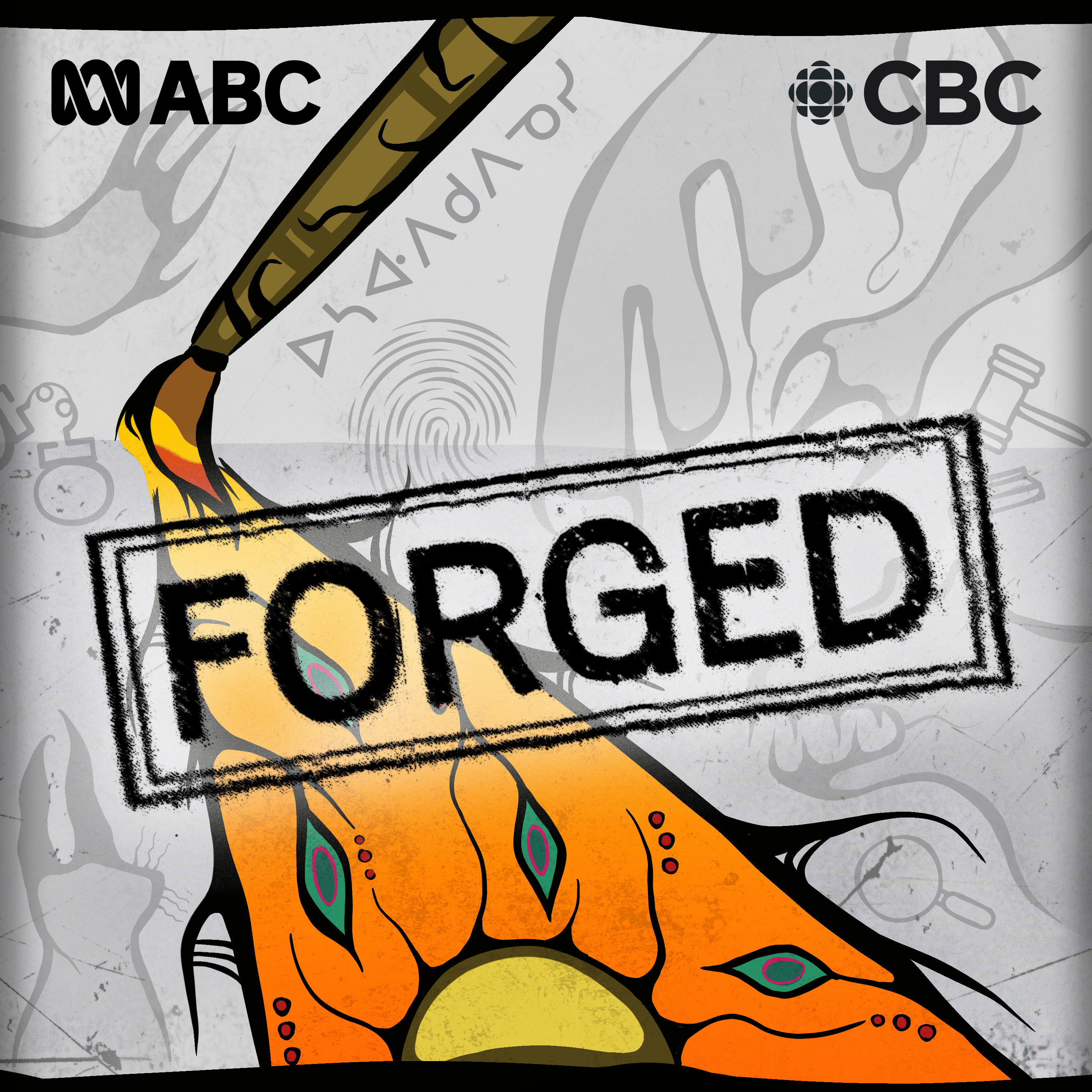
Overview of Forged: The true story behind the Norval Morrisseau art fraud
This episode 1 introduction to CBC’s Forged lays out the story’s two interlocking threads: the life and rise of Ojibwe painter Norval Morrisseau (the influential founder of the Woodland School) and the discovery of an enormous art‑fraud operation that has flooded the market with fake Morrisseau paintings. The fraud surfaced during a police murder investigation in Thunder Bay and appears to involve hundreds—even thousands—of forged works and huge sums of money. The episode follows how one painting bought by musician Kevin Hearn became the hinge for a deeper inquiry that moves from Toronto galleries into a dark, criminal underworld.
Main story arc (episode summary)
- Opening: a mix of archival storytelling about Morrisseau’s 1962 breakthrough at Jack Pollock’s Toronto gallery and contemporary reporting from Thunder Bay.
- Norval Morrisseau’s rise: from remote northern Ontario to national and international acclaim (shows at major institutions; dubbed “Picasso of the North”), and the cultural tension around him painting sacred Ojibwe imagery.
- Investigation origin: Inspector Jason Ryback, working a murder (Scott Dove), encounters threads that point to a massive art‑fraud network producing fake Morrisseau works.
- The Kevin Hearn case: Kevin Hearn (Barenaked Ladies) buys a large painting, Spirit Energy of Mother Earth, from Yorkville gallerist Joe McLeod. Curator Gerald McMaster flags the work as questionable; McLeod refuses refund and threatens legal action. This dispute helps expose broader authenticity problems.
- Stakes revealed: artists, curators and Indigenous voices (e.g., Adrian Stimson, Gerald McMaster) describe the scope and cultural harm—this may be one of the biggest art frauds in history and implicates people who may also be connected to violent crime.
- Narrative intent: host/narrator frames the series as a detective journey across art history, culture, crime and justice; promises deeper investigation in upcoming episodes.
Key people and roles
- Norval Morrisseau — Ojibwe artist, originator of the Woodland School; central figure whose work has been widely forged.
- Inspector Jason Ryback — Thunder Bay police inspector whose homicide investigation helped uncover the fraud.
- Kevin Hearn — musician who purchased a large Morrisseau painting that was later questioned.
- Joe (Joseph) McLeod — Yorkville gallerist who sold Hearn the painting and resisted acknowledging problems.
- Gerald McMaster — Indigenous curator at the Art Gallery of Ontario who identified the painting as questionable and prompted its removal from an AGO display.
- Adrian Stimson — Indigenous artist who speaks to Morrisseau’s enormous influence and the pain of seeing fakes proliferate.
- Jack Pollock, Gail Dexter-Lord, June Callwood — historical figures who appear in archival accounts of Morrisseau’s early breakthroughs.
- Scott Dove — murder victim whose case partly initiated police attention that led to revelations about art fraud.
Key themes and takeaways
- Scale of the fraud: Investigators and experts suggest thousands of fake Morrisseau canvases and hundreds of millions of dollars involved—possibly the largest single‑artist fraud in history.
- Intersection of crime and market: The fraud is entangled with a homicide inquiry, raising questions about whether criminal networks used art forgery as a revenue stream and whether violent crime and fraud are connected.
- Institutional vulnerability: Galleries, collectors and even museums were shown to be vulnerable—either unknowingly selling fakes or reluctant to pursue uncomfortable truths that could have legal or financial ramifications.
- Cultural harm: Beyond monetary loss, the flood of fakes distorts and disrespects Indigenous cultural heritage and Morrisseau’s legacy—especially sensitive because some imagery is sacred and not meant for public sale.
- Importance of provenance and expertise: The Hearn episode highlights how experience and expert curation (e.g., Gerald McMaster’s visual “handwriting” knowledge) are critical to authenticity, yet not always heeded.
Notable quotes
- “We believe it's the world's biggest art fraud.”
- Inspector Ryback (on beginning his probe): “When I started, I didn't even know who Norval was, other than by name.”
- From a dramatic excerpt: “I want my paint back. I know you killed that boy.” (used to signal the dark, personal stakes that emerge as the investigation deepens.)
Why it matters
- Legal and financial: Tens or hundreds of millions in alleged fraud affect collectors, galleries, insurers and museums.
- Cultural and ethical: The scandal raises tough questions about who decides access to Indigenous sacred imagery, and how commercialization can exploit communities.
- Investigative interest: The mixing of a cold murder case with organized art forgery suggests broader criminal implications beyond simple fakery.
What to expect next / listening pointers
- Upcoming episodes will trace the fraud’s mechanisms, the people involved (including suspects), how fakes were produced and sold, and the cultural fallout in Canada and Australia.
- If you’re following this story: listen for deeper archival evidence, interviews with fraud investigators, forensic art analysis, and the outcome (criminal or civil) for those implicated.
- Practical takeaway for collectors: confirm provenance, consult specialists familiar with Morrisseau’s work across decades, and treat high‑value purchases with skepticism when warnings of fakes exist.
Further context and resources
- Episode 1 uses archival interviews and testimonies to establish Morrisseau’s importance to Indigenous art and the novelty of his 1962 gallery debut.
- The episode also references related content (a short promo for another CBC/ABC podcast) and cultural touchstones (Bruce Cockburn album cover featuring Morrisseau’s work).
If you want to keep following the investigation, episode 2 is available in the Forged feed—subscribe to CBC Podcasts to get the full series.