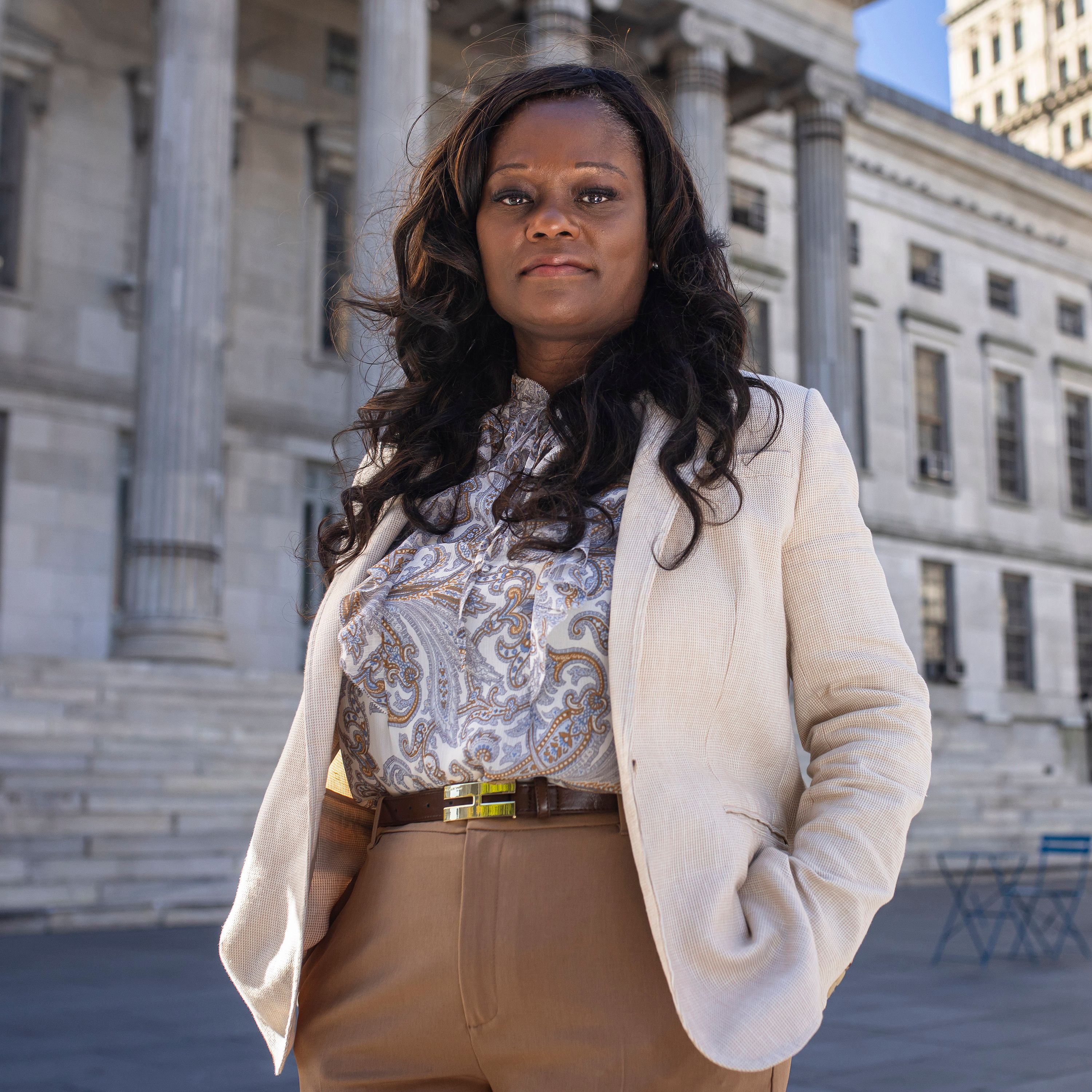
Overview of Heavy is the Head that Refuses to Share the Crown
This Metro episode from Serial Productions and The New York Times uses a deceptively small, funny story about a Fordham student’s pink hair to explore a much bigger one: the struggle for power inside the Brooklyn Democratic Party. In both cases, the central question is the same — what happens when someone becomes attached to being “the original,” and then loses control of the narrative?
The episode starts with Anna, a Fordham student who dyes her hair bright pink and believes other students are copying her. That self-styled “pink hair queen” storyline then becomes a metaphor for the Brooklyn Democratic Party’s internal civil war, where reformers try to take over the county machine and the establishment fights back with legal maneuvers, procedural chaos, and proxy power.
The Pink Hair Story: Ownership, Identity, and Being Copied
Anna’s “pink hair crown”
- Anna dyes her hair hot pink and quickly becomes known on campus as the “pink hair girl.”
- A year later, she notices several other students also wearing pink hair and assumes they copied her.
- She is especially bothered when they do not acknowledge her as the inspiration.
- The episode undercuts her assumption by fact-checking:
- one student says her pink hair came from Pinterest and a long-standing desire to try it;
- another says she has wanted pink hair since childhood.
- The result is a comedic but revealing portrait of someone who wants to preserve a personal narrative, even when reality doesn’t support it.
The takeaway
- Anna isn’t portrayed as delusional so much as emotionally invested in being “the one” who set the trend.
- The narrator’s phrase, “Heavy is the head that refuses to share the crown,” captures the core idea:
- clinging to status,
- resisting competing truths,
- and getting upset when the world doesn’t confirm your self-image.
The Brooklyn Democratic Party Fight
What the conflict is about
- The story shifts to Brooklyn’s Democratic Party, a large but deeply dysfunctional local machine.
- Reformers, led by Tony Malone and the New Kings Democrats, want to change the party so it:
- focuses more on winning elections,
- becomes more transparent,
- reduces patronage,
- and spreads resources beyond internal favoritism.
- The party establishment, known as “county,” is primarily interested in preserving its existing power structure.
Why the Brooklyn machine matters
- Brooklyn Democrats control significant political infrastructure, including influence over:
- judicial nominations,
- Board of Elections jobs,
- poll worker placements,
- and other patronage-linked positions.
- The machine is less about ideology than maintaining control and distributing power.
The Reformers’ Strategy and Victory
The long game
- After failed attempts to directly oust the party chair, reformers shift strategy:
- instead of targeting the chair immediately,
- they aim to win a majority on the Executive Committee.
- Since district leaders elect the chair, controlling the committee would give reformers real leverage.
The 2026 breakthrough
- Reformers recruit candidates across Brooklyn, building a coalition called Brooklyn Can’t Wait.
- They survive aggressive signature challenges meant to knock them off the ballot.
- On election day, they win 8 of 9 races, giving them a slim majority and control of the Executive Committee.
The Counterattack by Party Chair Rodnice Bishot-Hermelyn
A bold procedural move
- Party chair Rodnice Bishot-Hermelyn responds by pushing through rule changes that would:
- expand the leadership body,
- add many new voting members,
- and effectively dilute the reformers’ newly won majority.
- The new appointees would mostly be selected by her, permanently shifting power back to the establishment.
Framing the move
- Rodnice presents the change in progressive language:
- community,
- inclusion,
- broader participation,
- “everyday people.”
- Critics call it an illegal power grab and accuse her of authoritarian behavior.
- The reformers sue, and a judge initially rules the changes invalid.
The Chaotic County Committee Meeting
A meeting that feels like a battlefield
- The county committee meeting becomes the episode’s most dramatic set piece.
- The event is marked by:
- long delays,
- confusion,
- missing badges and clickers,
- proxy voting chaos,
- and heated shouting matches.
- Reformers largely fill the room physically, but county controls the votes through proxies and patronage-linked loyalties.
Proxy politics and patronage
- Many votes are controlled by proxies defaulting to the chair.
- Poll workers are pressured to support Rodnice or surrender their proxies, with jobs and future assignments hanging in the balance.
- The episode makes clear that Brooklyn politics is still deeply tied to old-school machine tactics.
The result
- Rodnice’s rule changes pass at the meeting, despite the uproar.
- But the legal battle is still unresolved, and the struggle for control continues in court and in party leadership.
The Deeper Conflict: Race, Generational Power, and Political Legitimacy
Competing narratives
The episode suggests that the Brooklyn fight is not just about rules, but about competing visions of legitimacy:
- Reformers’ view: the machine is outdated, undemocratic, and self-serving.
- County’s view: reformers are often white, gentrifying outsiders trying to displace long-standing Black political power.
Race as a central fault line
- Critics of the reform movement accuse it of being dominated by white liberals.
- Supporters of Rodnice argue they are protecting hard-won Black and Latino political power in Brooklyn.
- Reformers counter that their coalition is more diverse than their opponents claim, and that the real issue is not race but entrenched power.
Key Themes
1. Power is often about narrative
- Anna wants to own the story of pink hair.
- Brooklyn party leaders want to own the story of who represents the party’s future.
2. Institutions can be technically democratic but functionally undemocratic
- The party’s rules, proxies, and internal structures create a system that looks participatory but is heavily controlled.
3. Reform is hard because power adapts
- Even when reformers win elections, the establishment can respond with procedural maneuvers and rule changes.
4. Politics is cyclical
- Even if one side wins this round, the next election is already coming.
- The episode ends by emphasizing that political control is always temporary.
Bottom Line
This episode uses a playful, accessible opening about pink hair to build into a sharply reported political story about ambition, control, and institutional inertia. The core message is that whether it’s campus fashion or party politics, people fight hardest when they feel they’ve earned the crown — and someone else is trying to wear it.
Notable Line / Central Idea
- “Heavy is the head that refuses to share the crown.”
- A fitting summary of both Anna’s campus drama and Brooklyn’s political power struggle.
- The more someone insists on owning the narrative, the more painful it becomes when reality resists.