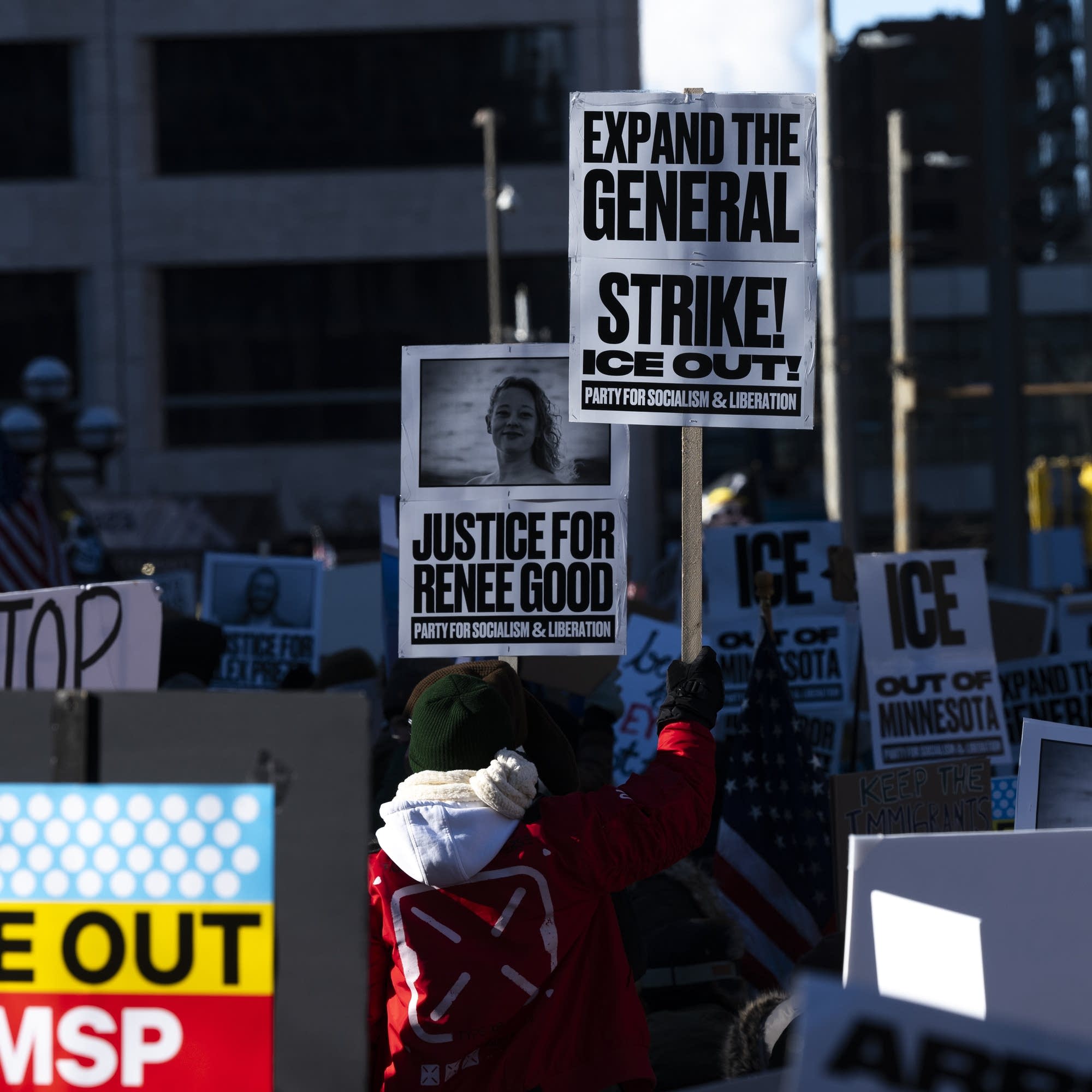
Overview of How small businesses navigated the ICE strike
This Marketplace episode (Jan 30) covers a range of economic and business news: President Trump’s nomination of Kevin Warsh for Fed chair and what that could mean for monetary policy; oil majors’ subdued profit outlook and the implications for Venezuela investment; a national “shutdown” protest of ICE enforcement and how small businesses decided whether to close or show solidarity; the hidden costs of snow days for working parents and how some small businesses turned them into opportunities; a profile of a sober cocktail bar (My Economy); and market and inflation data (equity moves, gold/silver shifts, and the December Producer Price Index).
Key segments and takeaways
-
Fed nomination: Kevin Warsh
- Warsh, previously a Fed governor (during the Great Recession), was nominated by President Trump to succeed Jerome Powell.
- He has a mixed record: historically an inflation hawk and long-time critic of Fed quantitative easing and balance-sheet expansion, but has more recently criticized keeping rates too high.
- Confirmation prospects look manageable given Hill relationships, but a separate criminal investigation into Powell has prompted some senators to stall or threaten opposition to Fed confirmations until that probe is resolved.
-
Oil majors and Venezuela
- ExxonMobil and Chevron reported their lowest annual profits since 2021, which, combined with an oversupplied global oil market and disciplined capital spending by majors, make large-scale investment in Venezuela unlikely despite White House aims for big capital inflows.
- Barriers: low/uncertain prices, corporate focus on free cash flow and low-risk projects, and Venezuela’s need for legal/commercial reforms to attract major investment.
-
ICE protest / small business responses
- Activists called for a national shutdown protesting ICE actions, asking people to boycott schools, work, and shopping.
- Small-business reactions varied:
- Some businesses (e.g., Fan Fan Donuts in NYC) closed after polling immigrant employees; staff prioritized solidarity despite financial uncertainty.
- Other businesses chose middle-ground approaches (e.g., remaining open while donating a percentage of sales).
- Some who’d supported past closures are pacing their involvement over time (donating proceeds across weeks rather than closing repeatedly).
-
Snow days and the cost to working parents
- Heavy snow and school closures have forced parents to juggle childcare and work; remote-capable parents face burnout and lost productivity.
- Research indicates mothers bear a disproportionate share of work interruptions; recurring snow can lead mothers to choose more flexible (but often lower-paid) jobs.
- Opportunity for small businesses: pop-up camps and paid childcare offerings (e.g., Dance on the Square’s pop-up day-camp) saw high demand and tapped an immediate market need.
-
My Economy profile: Free Spirited (sober cocktail lounge)
- Free Spirited (Alhambra, CA) is a sober craft cocktail lounge and allergen-friendly kitchen that opened Jan 2024 to serve the growing NA (non-alcoholic) market.
- Owners price thoughtfully (tax/tip-included offerings), make syrups and juices in-house to control costs, and hire via targeted social channels to find staff aligned with their mission.
- Broader trend: U.S. drinking rates have hit record lows; non-alcoholic alternatives are a growing consumer segment.
-
Markets and inflation data
- Market moves (end-of-month): Dow -0.4%, Nasdaq -0.9%, S&P 500 -0.4%. Gold and silver pulled back sharply after the Fed nomination news (silver down ~25%, gold down ~9%), 10-year Treasury yield rose to 4.24%.
- Producer Price Index (Dec): PPI up 0.5% — the largest monthly increase in five months, driven by service costs (notably trade-related services). PPI is watched as a leading indicator of consumer inflation.
Notable quotes and insights
- On Warsh: “He’s been known as an inflation hawk, and he’s criticized the Fed’s quantitative easing and balance-sheet expansion.” (paraphrase of expert commentary)
- On Venezuela investment: “Why in the world would they invest in a place like Venezuela?” — captures the industry reluctance given low prices and political/legal uncertainty.
- On snow days: “Working parents don’t get a snow day. They get a day where they’re working two jobs.” — sums up the dual burden parents face during closures.
Practical implications / recommendations
-
For small businesses
- Consider flexible solidarity approaches (donations, special promotions) if repeated closures would threaten operations and payroll.
- Identify contingency revenue streams for closures (e.g., day camps, pop-up services) to meet local demand and offset lost regular business.
- If serving niche growing markets (NA beverages, sober bars), control costs by producing key ingredients in-house and use targeted hiring to find mission-aligned staff.
-
For consumers and employees
- Expect economic and market volatility around Fed leadership changes; precious metals and bonds may react sharply to perceived policy implications.
- Parents should plan childcare contingencies and consider PTO usage carefully; employers might reconsider flexibility policies during severe weather to reduce burnout.
Topics covered
- Fed leadership nomination and politics
- Monetary policy debates (inflation hawk vs. dovishness; QE criticism)
- Oil company earnings and international investment risk
- Immigration enforcement protests and small-business decisions
- Snow days’ impact on working parents and local business responses
- Non-alcoholic beverage / sober-bar entrepreneurship
- Market indices, commodity moves, and Producer Price Index data
Action items / resources mentioned
- Follow up on Fed confirmation hearings and the status of the Powell investigation for implications on Fed independence.
- Small businesses: evaluate short-term offerings (day camps, pop-ups) during school closures to capture demand.
- Consumers interested in local NA offerings: consider seeking out sober lounges and mocktail bars as the sector expands.
If you want a one-line summary: this episode ties together macro developments (Fed nomination, PPI), sectoral dynamics (energy profits, Venezuela investment hesitancy), and human-scale economic impacts — from immigrant-rights-driven business shutdowns to parents and entrepreneurs adapting to snow-day disruptions.