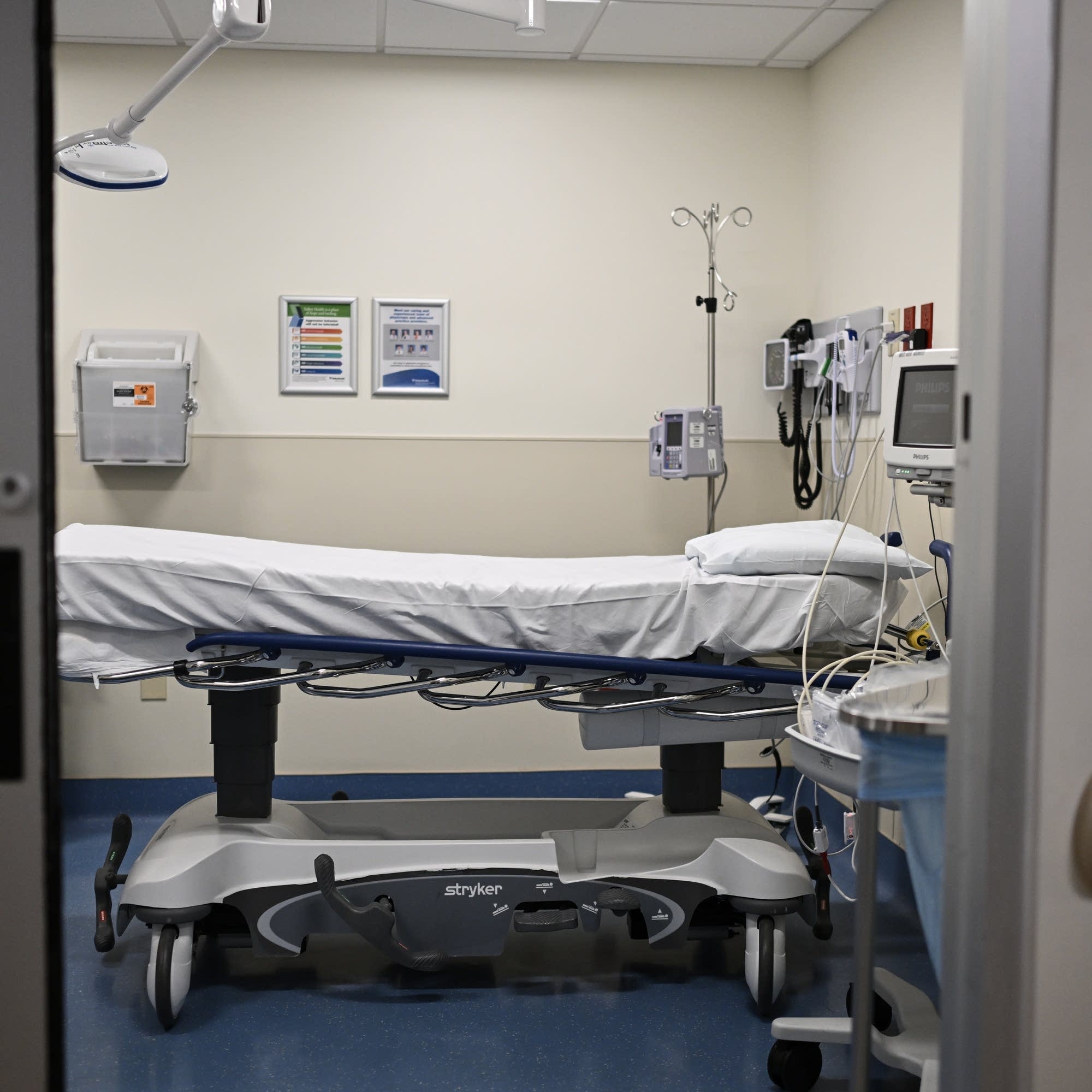
Overview of Rural hospitals were already short-staffed. Then came Trump's H-1B visa fee
This Marketplace episode examines how a new administration rule — a jump in the H‑1B visa fee to $100,000 — is worsening staffing shortages at rural and low-income U.S. hospitals that rely on foreign-trained clinicians. The show places that story alongside other short news segments (crypto market volatility, fast‑casual restaurant struggles, EV sales shifts, small‑business tariff pain, and weaker Home Depot results), but the central report focuses on immediate operational and patient-access risks for rural health systems.
Key takeaways from the H‑1B story
- The Trump administration raised the H‑1B visa fee in September to $100,000 (from roughly $5,000 or sometimes as low as ~$200 for health hires), creating a near‑complete halt in H‑1B hiring for many health employers.
- Rural and low‑income health systems depend disproportionately on H‑1B–sponsored clinicians. Data cited show rural providers use about twice as many H‑1B health workers as urban ones.
- The fee increase is a "non‑starter" for many hospitals and staffing firms — the cost makes bringing in nurses, physicians, and other specialists unaffordable.
- Immediate effects: hospital offers rescinded or stalled (Frederick Health in Maryland expected 29 nurses who are now not arriving); increased overtime and other stopgap measures; longer patient wait times and greater travel burdens for specialty care in rural areas.
- Affected occupations include nurses, physicians, physician assistants, nurse practitioners, nurse anesthetists, podiatrists, chiropractors, optometrists, and more.
- Alternatives exist but are limited: EB‑3 visas for nurses are available but can take several years; some employers are applying for fee exemptions, and lawsuits have been filed challenging the fee — many employers are waiting to see outcomes.
- Broader implication: the fee change risks worsening already fragile access to care in rural and impoverished communities.
Impact on rural hospitals — more detail
Who is affected
- Rural hospitals and health systems that cannot compete with urban salaries or non‑hospital jobs and that historically filled roles via international recruitment.
- Staffing agencies that place hundreds of nurses annually (one firm mentioned brings in 200–300 nurses a year).
- Patients in remote areas who may face long drives, longer wait times, or reduced local services.
Consequences for care and operations
- Immediate staffing gaps as expected hires do not materialize.
- Reliance on expensive overtime, temporary staffing, or curtailed services.
- Potential cancellation or postponement of certain services if specialist roles remain vacant.
- Longer-term risk: reduced capacity to serve local populations and exacerbated health inequities.
Responses and short‑term workarounds
- Fee exemptions: some hospitals have applied for exemptions, but timelines and approval are unclear.
- Lawsuits: multiple legal challenges are underway; employers hope these may halt or reverse the fee.
- Visa alternatives: EB‑3 remains an option but is slow (multi‑year processing).
- Operational responses: greater use of overtime, contracting, or delaying hires while monitoring litigation.
Notable quotes from the segment
- “The fee is the non‑starter for these employers.” — Director of Legal Services at a staffing firm.
- “The expectation before the September change was to pay a fee of around $200 per nurse… The $100,000, we can't afford paying that for one nurse.” — Hospital CNO (Frederick Health).
Wider context in the episode (brief summaries)
- Crypto: Bitcoin and the crypto market fell sharply from recent highs, shifting perceptions of crypto from “digital gold” to speculative risk; ETFs and institutional developments may shape the next year.
- Fast casual restaurants: Panera is losing market traction as consumers pull back; playing to the middle ("neither value nor premium") has hurt it amid inflation and competitors with clearer identities.
- EV market: A surge in EV purchases occurred as federal tax credits were ending, but policy rollbacks and regulatory uncertainty are causing automakers to slow EV rollout plans domestically.
- Small businesses and tariffs: Example of a skate shop owner seeing input costs rise because of tariffs, forcing inventory and financing adjustments.
- Home improvement: Home Depot reported underwhelming results tied to a stuck housing market and consumer caution; homeowners pivot to maintenance rather than big remodels.
Recommendations / actions taken or advised
- For hospitals and staffing firms:
- Immediately apply for any available H‑1B fee exemptions and track litigation developments.
- Explore EB‑3 and other visa routes while planning for long processing times.
- Strengthen local recruitment and retention strategies (compensation, schedules, work‑life balance) to reduce reliance on foreign hires where possible.
- For policymakers:
- Reconsider or clarify the fee policy given its outsized impact on healthcare access in rural and underserved areas.
- Accelerate regulatory or legislative fixes if the fee is shown to harm patient access.
- For community advocates:
- Document and publicize patient‑access impacts to inform policymakers and courts considering challenges.
Bottom line
The sudden H‑1B fee increase is creating an acute staffing crisis for rural and low‑income health providers who relied on relatively low‑cost H‑1B recruitment to fill critical clinical roles. Short‑term stopgaps are costly and unsustainable; legal challenges and exemption requests may offer relief, but the policy change already threatens access to care for vulnerable communities.