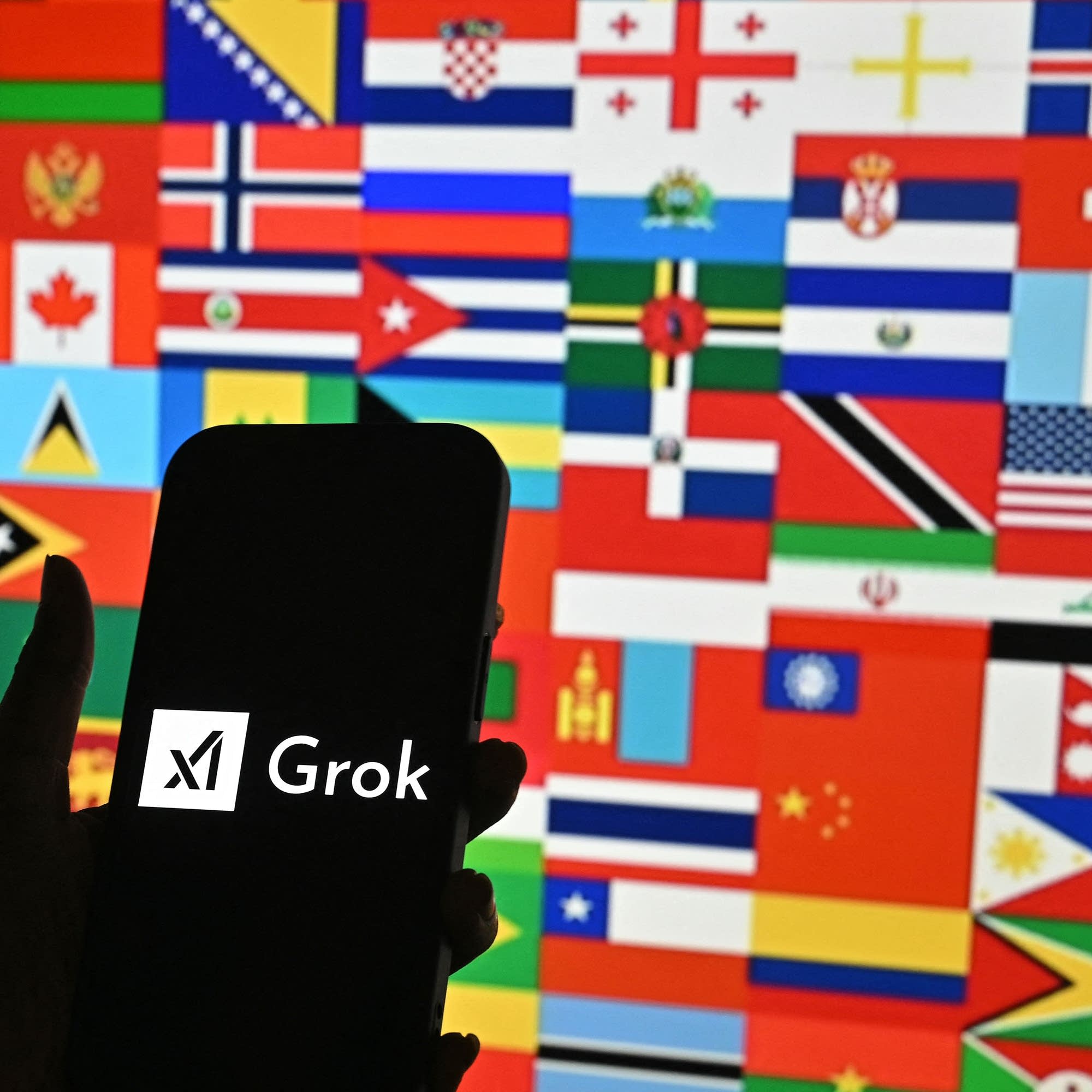
Overview of Worlds apart on generative AI use
This Marketplace episode ties together two main themes: near-term market volatility driven by geopolitical uncertainty and the World Economic Forum (Davos) — including market sensitivity to President Trump’s remarks — and a new Ipsos/Google survey showing sharp international differences in attitudes and use of artificial intelligence (AI). The show also touches on bond-market moves, a Supreme Court matter involving the Federal Reserve, and expert commentary on how AI’s benefits and risks vary across countries and income levels.
Market volatility: what moved stocks and why
- Major U.S. indices plunged on renewed uncertainty about geopolitical risk and the prospect of disruptive comments from President Trump at Davos.
- Dow Jones Industrial Average: down about 870 points (~1.75%) the prior day.
- S&P 500: down ~2.1%.
- Nasdaq: down ~2.4%.
- Russ Mould (AJ Bell, UK) noted:
- Geopolitical risk is very hard to quantify; pros can’t fully parse unpredictable leadership moves.
- Tariff-related concerns, thought to be largely priced in late last year, have resurfaced — removing some early-year market momentum.
- Markets will pay close attention to whatever the U.S. president says in Davos; comments from the leader of the world’s largest economy often move markets.
Bonds and related headlines
- U.S. Treasury yields spiked, with the 10-year briefly reaching its highest level in nearly five months, then easing to about 4.28% during the morning.
- Traders talked about a “Sell America” dynamic as foreign holders reacted to uncertainty.
- The Treasury Secretary (as reported in the segment) said he was “unconcerned” about the bond sell-off and downplayed as irrelevant a Danish pension fund’s reported sale of $100 million in U.S. Treasuries tied to concerns about Trump’s Greenland comments.
- Global markets: Tokyo’s Topix fell ~1% (after a sudden election call); Germany down ~0.6%. U.S. futures were mixed (Nasdaq slightly down; S&P futures modestly up).
Fed, Supreme Court and institutional independence
- Marketplace reported the U.S. Supreme Court was hearing a case about the president’s power to remove a Fed board member; Fed Chair Jerome Powell was reported to attend the arguments — an unusual but not unprecedented step (Paul Volcker had attended a court case in the 1980s).
- The segment highlighted a shift in Powell’s posture toward the White House: earlier reticence gave way to a more assertive stance after revelations that the Department of Justice served the Fed with subpoenas related to building renovations. Powell framed any threat of criminal charges as a pretext tied to pressure over the Fed’s independent rate decisions.
Global survey on AI use and attitudes (Ipsos + Google)
- Core findings:
- U.S.: About 40% of adults report using AI; many Americans express more concern than excitement about AI — especially about economic and job impacts.
- Countries like Nigeria, the United Arab Emirates, India and Brazil show much higher reported AI use (~85%) and greater optimism.
- Why attitudes differ (expert takes):
- David Deming (Harvard Kennedy School): People in lower- and middle-income countries may see AI as a shortcut to global economic access and a clear way to gain advantages they previously lacked.
- Paul (last name in transcript rendered as “Kudrosky”; affiliated with MIT’s Initiative on the Digital Economy) argued:
- Pre-existing pessimism in the U.S. about economic prospects makes AI seem more threatening to established workers.
- At the country level, AI can be a leveler (lifting nations), while within countries it may accelerate inequality (winners and losers within labor markets).
- Bottom line: AI’s promise is perceived much differently across countries — more optimism where AI provides clear access or leapfrogging opportunity; more fear where it threatens existing jobs and economic stability.
Sponsor note
- The episode included a Fundrise ad promoting the Fundrise Income Fund and private credit as an alternative yield strategy. (Sponsor claims and performance figures were noted in the ad copy.)
Key takeaways
- Market sensitivity to political rhetoric remains high; unexpected geopolitical developments (and leaders’ speeches) can trigger sharp equity and bond moves.
- Bond-market volatility and foreign selling can feed broader market declines even when officials downplay the signal.
- The question of institutional independence (Fed vs. executive branch) is active and can have market and legal implications.
- Global AI adoption and sentiment are highly uneven:
- In many lower- or middle-income countries, AI is seen as a clear economic opportunity.
- In the U.S., AI raises stronger concerns about jobs and inequality.
- Policy and business responses should account for both the international leveling potential of AI and the risk of widening within-country inequality.
Notable quotes / soundbites
- “Geopolitical activity or risk is really, really hard to quantify and second guess.” — Russ Mould (investment director, AJ Bell)
- “There is a sense of uncertainty that even our pros with all their market screens and information that they digest can't fully parse.” — (summary of market sentiment)
- Experts’ synthesis on AI: “At the country level, it's going to be a huge leveler; within countries, it’ll lead pretty quickly to further inequality.” — MIT-affiliated commentator (as quoted in the segment)
Actions & implications for listeners
- Investors: watch headlines from Davos and any Fed or White House developments; expect higher short-term volatility around major speeches and court rulings.
- Employers/policymakers: plan for AI’s uneven economic impacts — invest in retraining and social-safety mechanisms to manage within-country dislocation even as countries gain from AI adoption.
- General audience: recognize that AI’s risks and benefits will look different depending on local economic context; engagement and policy choices will shape who gains and who loses.