Overview of When workers are profiled, bullied, and harassed
This Marketplace Morning Report episode (host David Brancaccio) covers two main themes: how recent U.S. tariff policy is affecting mid-sized businesses, and disturbing reports from a Portland contractor about employees being profiled, bullied, and harassed off the job — a social-cost that’s pushing workers to reduce hours or quit and harming employers’ operations.
Key takeaways
- Tariff payments by mid-sized U.S. businesses (50–500 employees / $10M–$1B revenue) nearly tripled starting early last year, squeezing margins and prompting price increases for customers.
- Mid-sized firms have limited flexibility to reconfigure supply chains, so higher tariff costs are more likely to be absorbed or passed to consumers.
- A Fed New York study found most tariffs were passed through to U.S. businesses and consumers; White House economic advisor Kevin Hassett publicly attacked the study.
- Separately, contractors report off-site harassment and profiling of employees (often racial/immigrant-targeted) that causes workers to opt out of jobs or reduce hours, damaging retention and capacity.
Tariffs and business impacts
Mid-size businesses: findings and implications
- Source: JPMorgan Chase Institute analysis of mid-sized firms.
- Result: Tariff payments almost tripled beginning early last year.
- Impacts: Lower profit margins, pressure to raise prices, reduced ability to shift supply chains relative to larger firms.
Example: EarthQuaker Devices
- Julie Robbins, CEO of the Akron, Ohio guitar-pedal maker, has paid about $80,000 in new tariffs since spring and expects roughly $200,000 this year.
- The company has already raised prices once and expects further increases.
- Robbins: supply chains developed over decades can’t be quickly restructured to meet new policy demands.
Policy debate
- A Federal Reserve Bank of New York study concluded tariffs were mainly passed on to U.S. businesses and consumers through higher prices.
- White House advisor Kevin Hassett criticized the study harshly, calling it the “worst paper” he had seen and suggesting punishment for the authors — highlighting political disagreement about who bears tariff costs.
Worker harassment and business consequences
What employers report
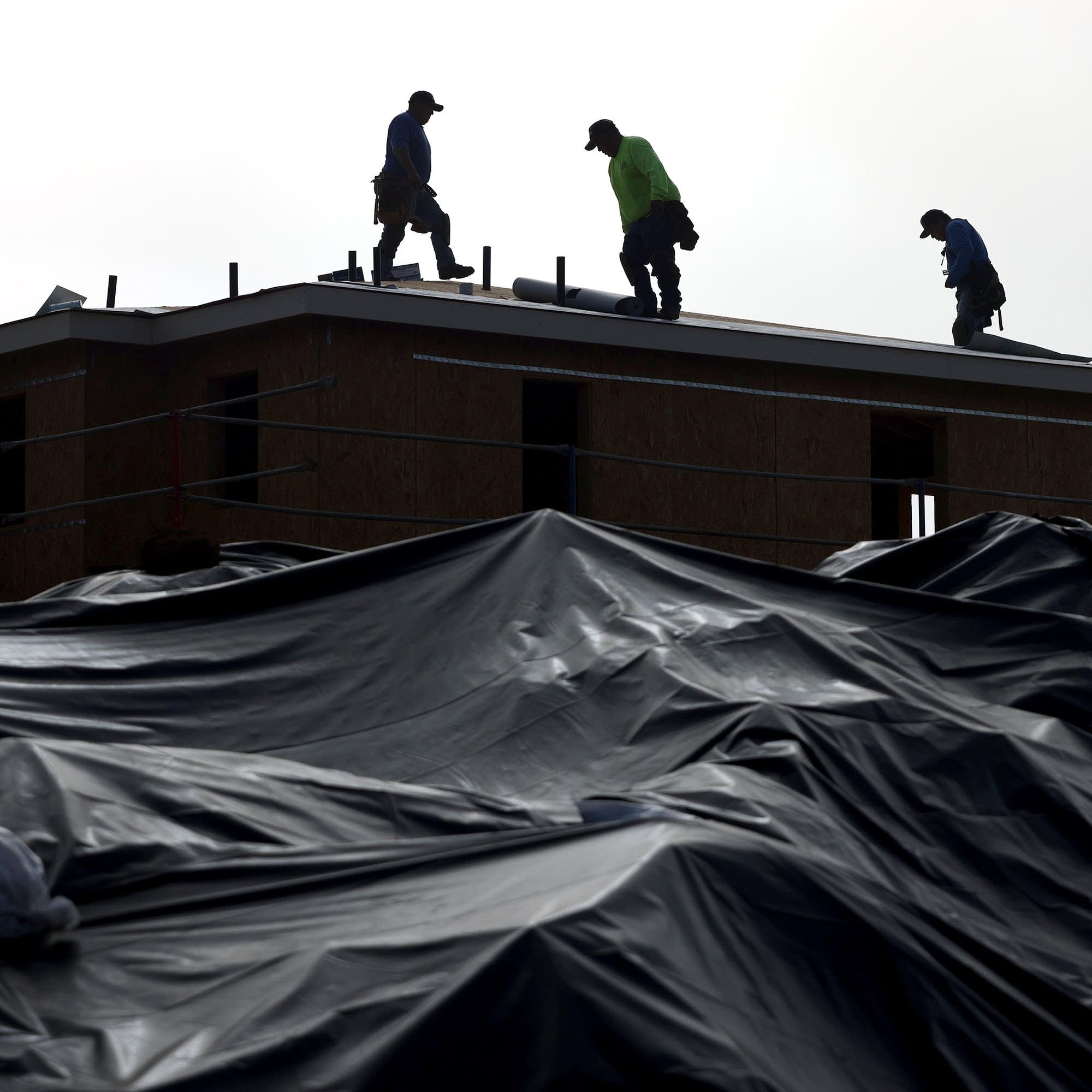
- Maurice Rahming, president of O’Neill Construction Group (Portland), describes off-site harassment of employees (yelling, following, profiling) while they perform routine tasks such as picking up materials or driving company vehicles.
- Harassment is external to the workplace and not something employers can fully control through typical HR measures.
Consequences
- Workers, including legally authorized employees, feel unsafe and choose to opt out of shifts or reduce hours to protect themselves and their families.
- Employers lose skilled workers, must avoid certain projects or locations, and face reduced capacity to take on new work.
- The harassment has tangible economic effects on businesses’ ability to staff projects and maintain growth.
Notable quotes
- “We’re seeing external kind of bullying, harassment off-job site that we can't control.” — Maurice Rahming
- “We end up with workers that feel like they need to protect their family … they choose to opt out to make sure that they can safely get to point A to point B.” — Maurice Rahming
- “We’ve developed the supply chain over 20 years. And just because the administration thinks we should be doing something differently, the reality doesn't exist.” — Julie Robbins
- “Worst paper I've ever seen.” — Kevin Hassett (on the Fed NY study finding tariffs were passed to U.S. consumers)
Recommendations / practical steps for employers (inferred from reporting)
- Recognize off-site harassment as a workforce safety issue, not just an HR compliance matter.
- Offer flexible scheduling or alternate logistics (e.g., consolidated pickups, secured transport) to reduce employees’ exposure.
- Provide clear support resources: paid leave for safety concerns, confidential reporting, legal/advocacy referrals.
- Reassess project site selection and risk mitigation when local conditions create safety hazards for staff.
- Communicate with customers about service limitations/price changes driven by policy costs (tariffs) and staffing constraints.
Other quick context items
- Crude oil: prices rose ~1.5% (trading above $66 a barrel) amid reports of increased U.S. air power near Iran and ongoing talks over Iran’s nuclear program.
- Episode sponsor: Wealth Enhancement (brief sponsor message about financial planning).
Sources & credits
- Marketplace Morning Report (host: David Brancaccio)
- Reporting by Kimberly Adams on JPMorgan Chase Institute findings
- Comments from Chi Mack (JPMorgan Chase Institute), Odette Shanker (Ohio State University), Julie Robbins (EarthQuaker Devices), Maurice Rahming (O’Neill Construction Group)
- Mention of a Federal Reserve Bank of New York study and reaction from White House economic advisor Kevin Hassett