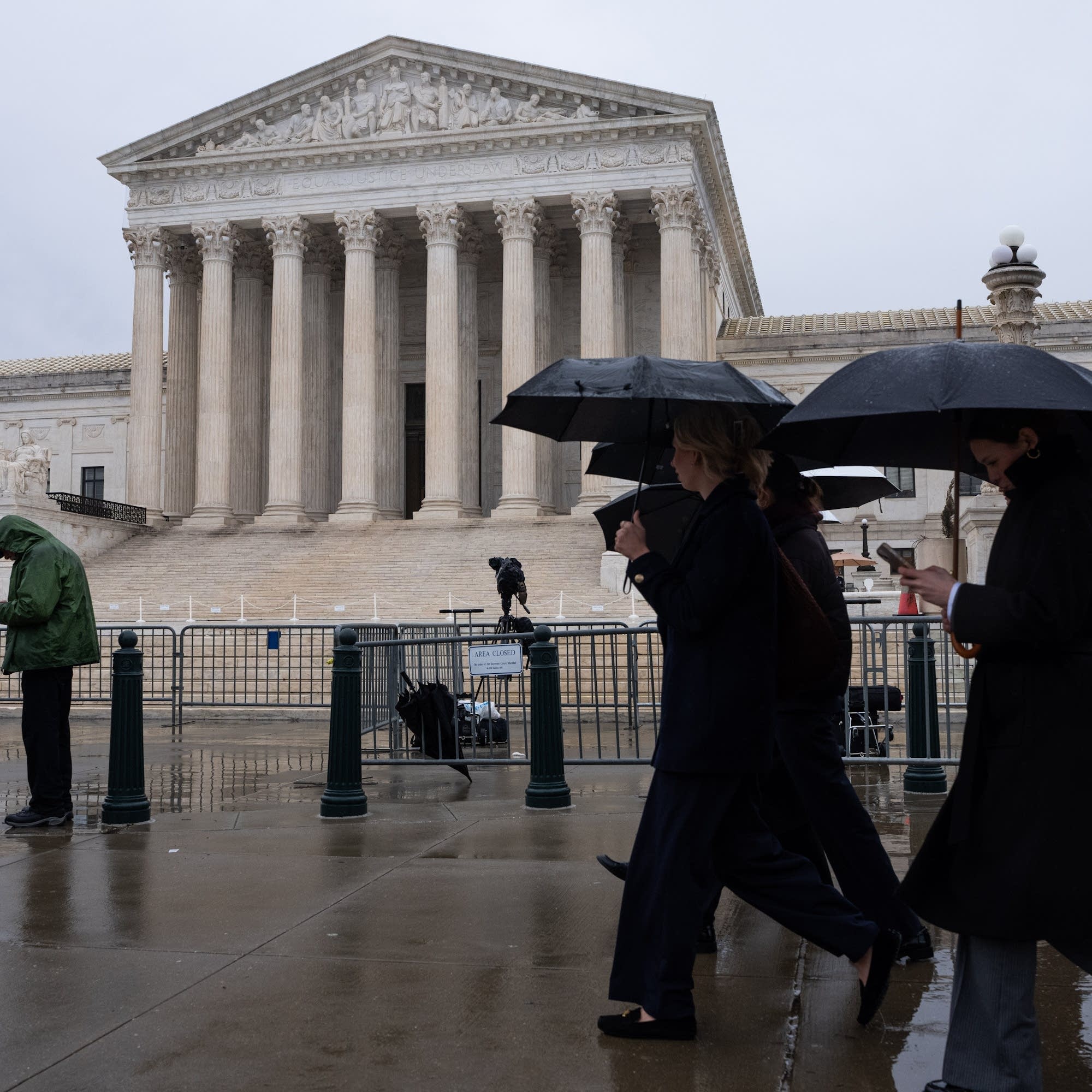
Overview of "Trump dusts off obscure legal authority for new tariffs"
This Marketplace segment reports on the aftermath of a U.S. Supreme Court decision that struck down most of the Trump administration’s tariffs, and on the administration’s move to reimpose a new, temporary 15% global tariff using an obscure statutory authority (Section 122). The piece explains the legal mechanics, market and business reactions, and practical next steps — and closes with a separate report on Spain’s planned legalization of roughly half a million undocumented migrants to fill labor shortages in tourism, hospitality and construction.
Key takeaways
- The Supreme Court voided the majority of the Trump-era tariffs, reducing the effective tariff rate from about 16% to 13.7% (Yale Budget Lab estimate).
- The administration plans to impose a 15% global tariff under Section 122 — a rarely (or never) used statutory authority — and intends it to be temporary (about 150 days).
- U.S. Customs and Border Protection has paused collections under the previous authority (Emergency Economic Powers Act) effective 12:01 a.m. Eastern on Tuesday, creating a temporary halt while new rules are implemented.
- Implementing new tariffs and processing refunds will take time; the administration may also pursue other, more commonly used tariff authorities (which take longer), or seek congressional action — though no willingness to ask Congress has been signaled.
- Markets reacted with uncertainty; investors bought safe havens (gold up). Economists see renewed policy risk for the U.S. economy.
Details on the tariff move
Legal authority and timing
- New proposed tariff: 15% global import tariff, temporary (around 150 days).
- Authority cited: Section 122 (statutory authority not previously invoked for tariffs). Because it’s temporary, it’s a stopgap rather than a permanent statutory regime.
- Carve-outs: The 15% proposal reportedly excludes Mexico and Canada.
- Practical steps: CBP halted collections under the prior emergency authority; it will take days to implement the new Section 122 tariffs and longer to handle the refunds owed to importers.
Scale and fiscal impact
- Yale Budget Lab estimate: effective U.S. tariff rate fell from 16% to 13.7% after the court ruling.
- The transcript mentions “hundreds of billions of dollars in refunds” to be processed — indicating substantial administrative and fiscal complexity (refunds and reconciliation will be slow).
Alternatives the administration may use
- Re-issuing tariffs under more common authorities (longer implementation timelines).
- Potentially seeking Congressional approval for higher tariffs — but administration hasn’t indicated a plan to do so.
Market and business implications
- Short-term market reaction: increased uncertainty; safe-haven buying (gold).
- For businesses: expect disruption during the transition — tariff collections paused, then new tariffs phased in; refunds will be administratively heavy and slow.
- Practical considerations for companies: review exposure to import costs, update pricing/supply-chain plans, prepare documentation for refund claims, and monitor regulatory notices for carve-outs and scope.
Notable quotes/insights
- Economist Julia Coronado: the expectation that uncertainty was easing “was supposed to be a tailwind for the U.S. economy… and now we’ve kicked up all the dust all over again.”
- CBP action was highlighted as “a tangible thing” — a pause in collections that will materially affect importers while the new tariff process is set up.
Timeline & next steps to watch
- Immediate: CBP halted collections under the prior emergency authority (effective the referenced Tuesday).
- Short term (days–weeks): administration to issue new Section 122 guidance and implement the 15% tariff; CBP and Treasury must operationalize collection and process refunds.
- Medium term (months): Section 122 tariffs are temporary (~150 days); administration may pursue other authorities or pursue legislative options if it wants longer-term protection.
Brief note: Spain’s migrant legalization plan
- Spain plans to grant legal status to about 500,000 undocumented migrants to address labor shortages in tourism, hospitality and construction and to offset demographic decline.
- Employers (example: Pakistani-born restaurateurs in Barcelona) say legal status would let them hire experienced workers now excluded by immigration barriers.
- Opposition: far-right Vox and the conservative Partido Popular criticize the plan; bureaucratic delays may slow roll-out when the process opens in April.
Actionable checklist for listeners (businesses / investors)
- Monitor official Treasury and CBP announcements for the precise scope, start date, and carve-outs of any new tariffs.
- Assess supply-chain exposure to the proposed 15% tariff and to potential tariff changes under other authorities.
- Prepare documentation and accounting processes to claim and track any refunds.
- Consider hedging strategies or pricing changes to mitigate short-term cost volatility.
- For investors: expect heightened policy risk; evaluate safe-haven assets and sector-specific exposures (manufacturing, retail, import-heavy sectors).
Sources mentioned: Marketplace reporting, Yale Budget Lab estimate, commentary from economist Julia Coronado, and statements attributed to U.S. Customs and Border Protection and the administration.