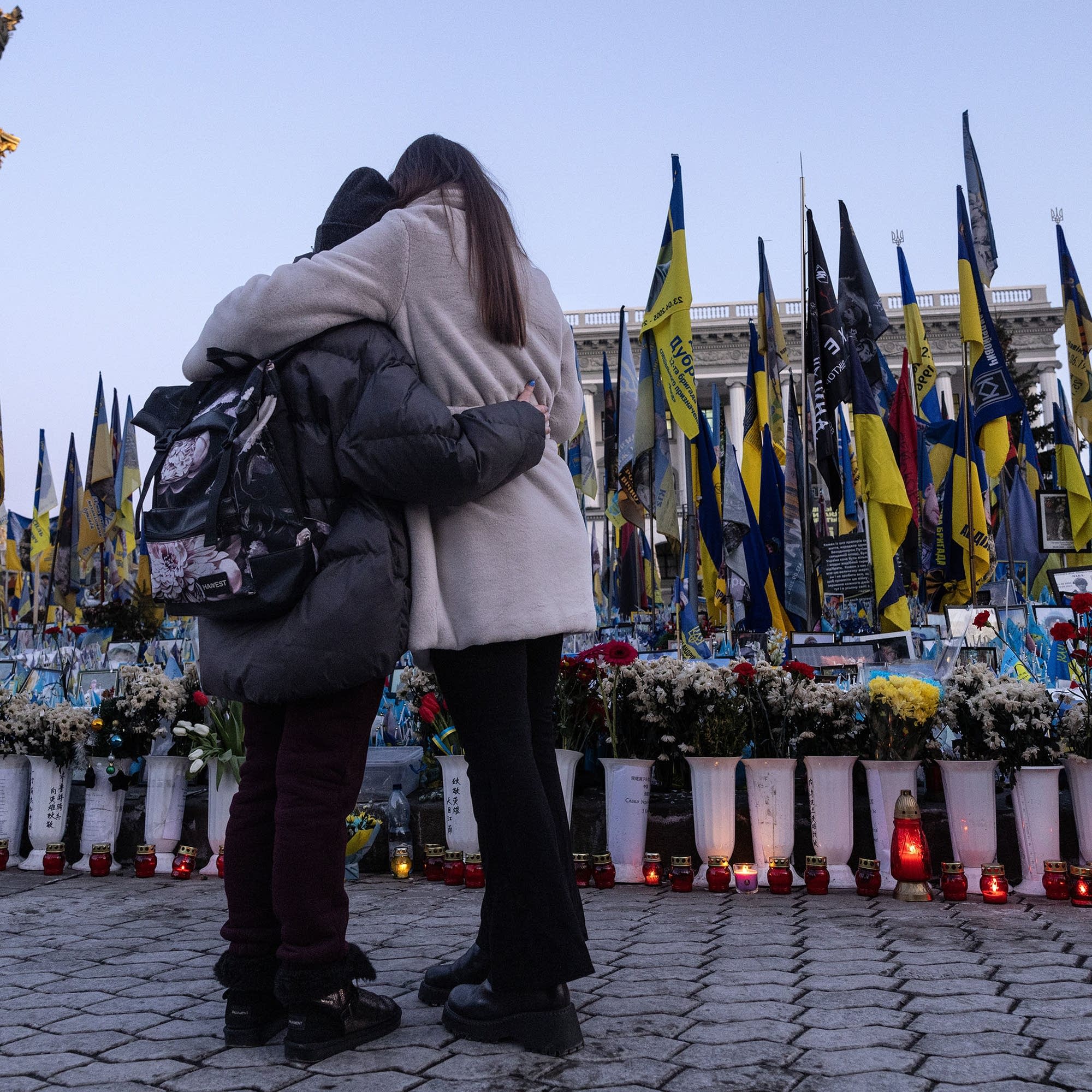
Overview of Tallying the cost of the Russia-Ukraine war, four years on
This Marketplace Morning Report episode (BBC World Service, hosted by Nick Qureshi) reflects on the economic and social costs of Russia’s full-scale invasion of Ukraine four years after it began. The report combines on-the-ground reporting from Russia (BBC’s Steve Rosenberg) with a rapid roundup of related global economic developments: trade disruptions, tariffs, currency volatility, and export controls tied to broader geopolitical tensions.
Key takeaways
- The human and financial costs of the war remain substantial: Ukraine has borne the brunt, but Russia is also experiencing clear economic pain that affects everyday life.
- In Russia, wartime normalization (murals, recruitment posters, pro-war symbols) coexists with worsening living standards: rising prices, higher taxes, utility shocks, and infrastructure failures.
- The war’s ripple effects are global — trade flows, export controls, tariffs, and investor confidence are shifting, affecting countries from Germany and Indonesia to Panama, China and Japan.
- Policy moves (new U.S. tariffs, export restrictions, port takeovers) reflect how economic levers are now part of strategic competition between states.
On-the-ground in Russia (report by Steve Rosenberg)
- Visual markers of war in everyday life: large murals of fallen soldiers, pro-war symbols (V and Z), recruitment posters and emergency shelters.
- Economic strain at the consumer and small-business level:
- A bakery owner (Anastasia) describes soaring costs, rising utility bills, higher taxes, and widespread worry among customers.
- Residents report infrastructure problems (leaking pipes, frozen lobbies, broken lifts) and rising utility bills that outpace pension increases.
- Public sentiment is mixed:
- Some still express patriotic support and willingness to fight.
- Many feel life is getting harder and doubt improvement soon.
Global economic ripple effects covered in the episode
- Germany-China auto trade:
- German car exports to China reportedly plunged by about one third (to $16 billion in 2025) from $34 billion in 2022 — illustrating changing trade dynamics and demand patterns.
- Indonesia:
- Rupiah volatility spiked after the president appointed his nephew as deputy governor of the central bank, highlighting market sensitivity to governance and central-bank credibility.
- United States tariffs:
- Following a U.S. Supreme Court decision overturning previous broad import taxes, the White House applied a flat 10% global tariff. Officials still signal a possible rise to 15%, creating uncertainty and prompting foreign concern and talk of retaliation.
- Consequences: EU paused ratification of a deal, India postponed sending negotiators, and allies (UK, Australia) face potential tariff impacts.
- Panama Canal ports:
- Panamanian authorities took control of two ports previously operated by Hong Kong-based C.K. Hutchison, a move tied to growing U.S.–China rivalry over strategic trade routes.
- China–Japan export restrictions:
- China imposed limits on dual‑use exports to 20 major Japanese entities (including large industrial firms and the space agency), citing Japan’s alleged remilitarization. Another 20 entities were put on a watch list requiring clearance for exports.
Notable quotes
- Bakery owner Anastasia: “Everyone is thinking about it. People are worried, they’re angry, and they’re wondering how to get by.”
- Ivan Pavlovich (resident): “If I were younger, I’d go and fight... The special military operation is excellent. It’s just that prices keep rising… Pensions go up but then prices go up even more. So what do I gain?”
- Local fast-food slogan observed in town: “Grab a pancake and then the whole world.” (illustrative of wartime symbolism in everyday commerce)
Data & figures (as reported in episode)
- German auto exports to China: ~$34 billion (2022) → ~$16 billion (2025) (roughly one-third decline).
- New U.S. global tariff: 10% (with possibility of 15% later).
Implications / What to watch next
- Domestic pain in Russia may deepen social strain and affect mobilization, spending, and political stability.
- Continued trade realignments: firms and countries will re-route supply chains and adjust market strategies in response to tariffs and export controls.
- Financial markets may react to governance signals (e.g., central-bank appointments) and to tariff/retaliation risks.
- Watch for further sanctions, export-control escalations, or trade policy changes tied to geopolitical competition — these will shape global inflation, trade volumes, and investment flows.
Production note: The episode opens with a sponsor message from Wealth Enhancement, which supports the Marketplace podcast.