Overview of Marketplace
This episode of Marketplace covers several major news stories: the U.S. Supreme Court striking down key Trump-era tariffs, the latest GDP growth figures and their ties to the government shutdown, corporate shifts on diversity/equity/inclusion (DEI) policies, and federal debate over autonomous vehicle (AV) safety rules — with a short promo for the podcast This Is Uncomfortable.
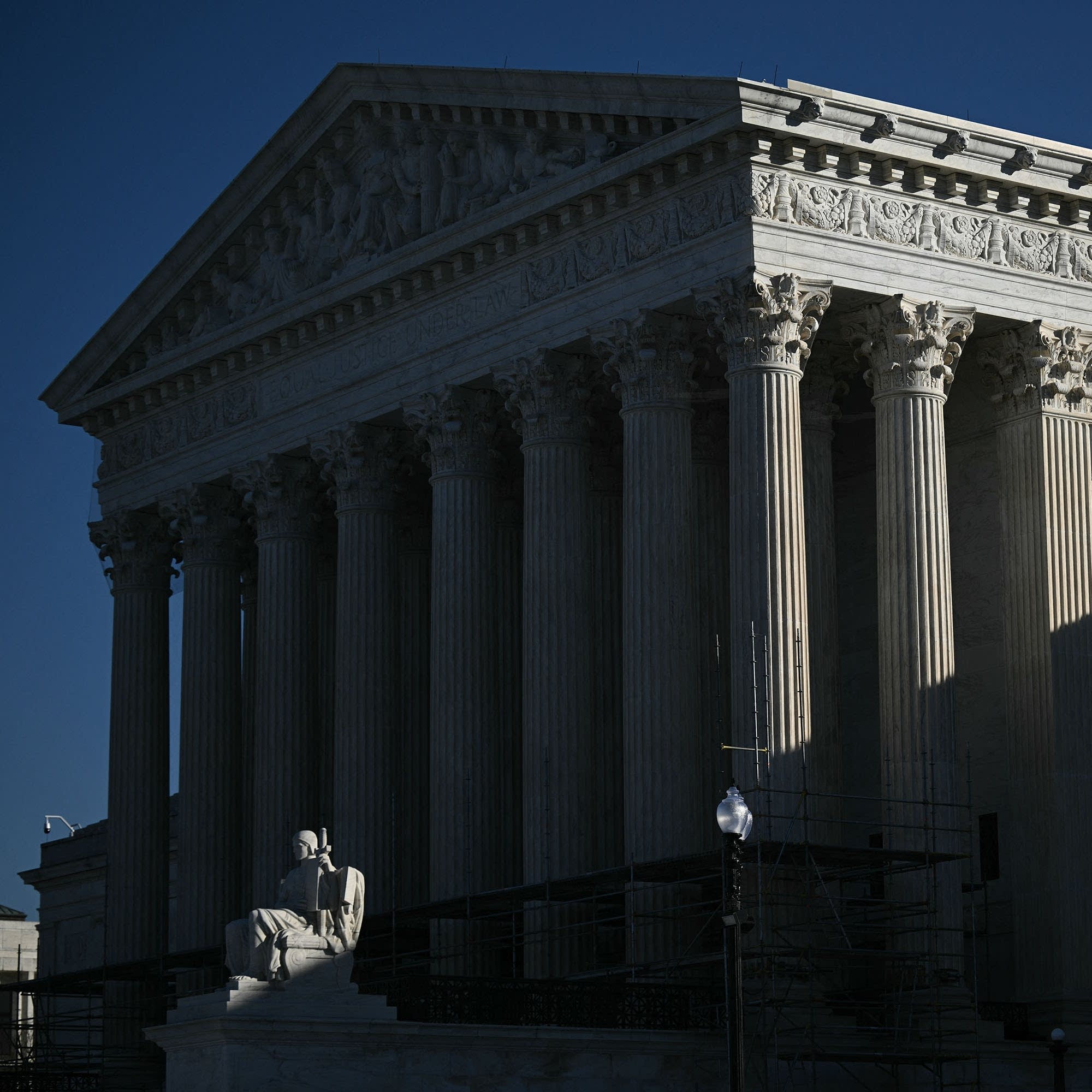
Supreme Court ruling on Trump-era tariffs
- Ruling: The Supreme Court (6–3) held that President Trump lacked legal authority to impose many of his tariffs under the International Emergency Economic Powers Act (IEEPA); the Act “is not designed for this,” per the majority opinion.
- Scope: Included are tariffs announced last April on what Trump called “Liberation Day.”
- Economic impact: A Federal Reserve Bank of New York report is cited saying U.S. businesses and consumers bore nearly 90% of the cost of import taxes — meaning these illegal tariffs raised consumer and business prices substantially.
- Treasury collections & refunds: The U.S. Treasury collected an “enormous amount” of money under these tariffs. The Court recognized the question of refunds but flagged it as complex. Justice Brett Kavanaugh warned that refunds “of billions of dollars would have significant consequences for the U.S. Treasury” and that the refund process would “likely be a mess.”
- Next steps: The ruling doesn’t completely prevent the president from imposing some tariffs; other statutory tools exist, but at least one important strategy would require congressional approval after a set period.
Main takeaways and implications (tariffs)
- Short-term: Consumer and business price effects already occurred; litigation is likely from firms seeking refunds.
- Fiscal: Potential for massive Treasury and administrative complications if refunds are ordered.
- Policy: Congress may reassert authority over trade restrictions; the executive branch will face constraints on using IEEPA for broad tariff programs.
GDP growth and government shutdown effects
- Data: U.S. real GDP grew at an annual rate of 1.4% in Q4 (October–December), roughly half of what economists expected for the quarter.
- Explanation: Experts attribute the shortfall partly to the government shutdown. Because GDP measures government activity by spending, a shutdown can inflate measured spending without corresponding production (e.g., furloughed workers still paid), creating distortions.
- Quote/context: Christopher Lowe (FHN Financial) summarizes the shutdown’s measurement effects — spending up but production down.
Corporate DEI shifts (Goldman Sachs and broader trend)
- News: Reports say Goldman Sachs is dropping diversity criteria for its board.
- Context: The move fits a wider trend of high-profile companies scaling back or reframing DEI initiatives amid pressure (including from the current administration) and shareholder activism.
- Evidence and opinions:
- Research generally finds diverse workplaces are more productive, innovative, and profitable.
- Some observers call many rollbacks “headline-generating” but caution to watch actual corporate behavior rather than rhetoric.
- Companies are often swapping language (e.g., equity → belonging/inclusion) or quietly altering programs to avoid political targeting.
- Mae McDonnell (Wharton) notes the threat of federal retaliation introduces direct costs and silences some corporate and shareholder advocacy.
- John Solorzano (consultant) highlights the tension companies face: avoid government targeting while not alienating customers or employees.
- Takeaway: DEI policy is in flux; stakeholders should monitor actions, not just announcements.
Autonomous vehicles (AVs) and federal safety oversight
- Current state: Fully self-driving vehicles (e.g., Waymo) are operating in over two dozen states and are increasingly visible in cities like San Francisco.
- Safety incidents: Examples include AVs “bricking” during a power outage (stopping in place and unable to proceed) and vehicles entering emergency scenes, construction zones, or wet cement due to limited situational handling.
- Legislative push: Multiple bills in Congress aim to update federal vehicle rules for AVs. Leaders argue federal standards are needed to avoid a patchwork of state laws that could harm safety and innovation.
- Senator Ted Cruz warned that lack of federal oversight risks fragmented state laws that could undermine safety and competitiveness.
- Experts (e.g., Matthew Wood of May Mobility) advocate for mandatory, enforceable “safety cases” requiring companies to document what systems are designed to do and proof they’ve been validated — including handling sensor failures, outages, protests, or other unexpected events.
- Broader question: Human drivers currently kill over 40,000 people per year in the U.S.; the challenge is whether federal regulation can reduce that toll without introducing new risks.
Other notes / promo
- This Is Uncomfortable: Short promo for the podcast episode about prenups — exploring myths, protections, and what prenups say about love and power.
Actionable implications and recommended watchlist
- Trade & law: Track litigation and Treasury guidance on refunds from the struck-down tariffs; watch for Congressional action to redefine executive tariff authority.
- Business & consumers: Expect market and price effects from the tariff reversal; companies that paid tariffs may pursue refunds or pass-through adjustments.
- Corporate governance: Monitor board policies and real DEI actions (hiring, retention, metrics) rather than public statements.
- AV regulation: Follow federal bill texts and any mandated “safety case” frameworks; cities with early AV deployments will provide key safety signals for regulators and the public.