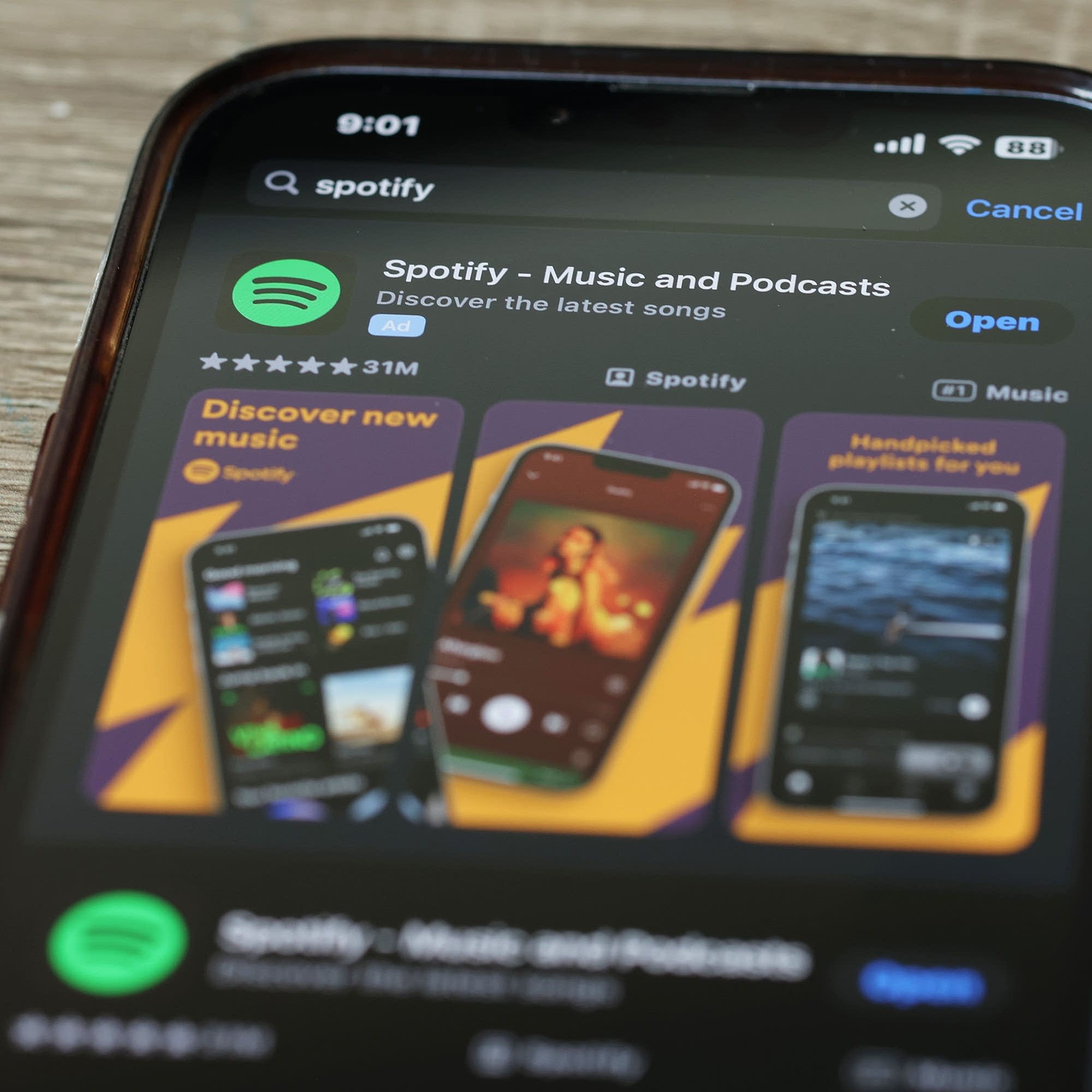
Overview of Spotify Wrapped, user data, and FOMO (Marketplace)
This Marketplace episode examines how companies are returning personalized user data to customers as a marketing tool — using Spotify Wrapped as the lead example — and places that trend in broader contexts (advertising psychology, data-driven personalization, and FOMO). The show also includes short economics and manufacturing segments: a Fed-voter rotation discussion that could affect interest-rate outlooks, and an interview with Blake Moret, CEO of Rockwell Automation, about factory activity, tariffs, and U.S. manufacturing investment.
Key takeaways
- Spotify Wrapped is an example of product-integrated marketing: it repackages a user’s own data into a sharable, emotional experience that drives social sharing and subscription momentum.
- Personalized, data-driven marketing (coupled with AI and social features) is increasingly common and effective — but it can also feel intrusive to some users.
- FOMO (fear of missing out) is intentionally leveraged by platforms: seeing friends’ Wrapped posts nudges others to join, subscribe, or share.
- On the economy: changes in regional Fed voters may modestly shift the tone toward being more open to interest-rate cuts next year because incoming voters may weight employment weakness more heavily relative to inflation.
- On manufacturing: Rockwell Automation experienced and adapted to supply-chain disruptions by expanding capacity globally; current activity favors brownfield upgrades, while targeted greenfield investments continue in sectors like pharma, automotive, and e-commerce/warehouse automation. Rockwell announced a large new U.S. plant in southeast Wisconsin.
Topics covered
- Spotify Wrapped and social sharing as marketing
- How Wrapped turns listening data into a shareable, emotionally resonant product.
- Examples of other personalized marketing: location-triggered coupons, face filters on social apps.
- User reactions: love it vs. dislike it; the psychological pull of FOMO.
- Privacy and personalization trade-offs
- Personalization is effective but can feel "too personal."
- New accounts (or lack of data) can produce FOMO for those who don’t receive personalized wrap-ups.
- Federal Reserve voter rotation and interest-rate implications
- Rotation of regional Fed presidents into voting roles can change the policy mix; incoming voters may be more employment-focused, which could slightly increase openness to rate cuts next year.
- Manufacturing, tariffs, and capacity decisions (Interview with Blake Moret, Rockwell Automation)
- How Rockwell responded to chip shortages: building capacity globally to clear backlogs.
- Tariff impacts mitigated by geographic balancing of production.
- Brownfield (existing facilities) activity stronger; greenfield (new builds) still occurring in select industries.
- Announcement of a major new Rockwell greenfield plant in southeast Wisconsin (~1 million sq ft).
- Promo: Million Bazillion podcast season for kids on economic topics.
Notable quotes and insights
- “Spotify has found a way to make marketing not feel like marketing.” — Marcus Collins (marketing professor), describing Wrapped’s effectiveness.
- “Some people hate it. Some people love it. But pretty much that is where everything is headed.” — Shilpa V. Rao (marketing professor), on increasingly personal ads.
- Rockwell’s strategy: don’t try to profit from tariffs, but make their effect neutral to profitability by balancing where things are made.
Segments & speakers (who said what)
- Kristen Schwab — reporter on Spotify Wrapped story.
- Marcus Collins — marketing professor (University of Michigan), shared his Wrapped stat and perspective on product-driven marketing.
- Shilpa V. Rao — marketing professor (Virginia Tech), commented on personalization and FOMO.
- Christopher Lowe — economist at FHN Financial, brief take on Fed voter rotation and interest-rate outlook.
- Blake Moret — CEO, Rockwell Automation; discussed tariffs, supply-chain adjustments, factory activity, and Rockwell’s new U.S. plant.
- Marketplace hosts and promos (ads for Dell/Intel, Odoo; Million Bazillion promo).
Actionable recommendations / takeaways for listeners
For consumers:
- Be aware that personalized features (like Spotify Wrapped) are designed to encourage sharing and subscriptions. Decide what personal-data sharing you are comfortable with.
- Check privacy settings on streaming accounts and social apps if you want to limit data-driven marketing or sharing.
For marketers and product teams:
- Integrate useful, sharable personalized experiences into products to build organic marketing — but balance personalization with respect for user privacy to avoid alienating customers.
For investors and industry watchers:
- Monitor greenfield vs. brownfield activity as indicators of sector-specific investment (pharma, automotive, e-commerce/warehouse automation).
- Note that companies can mitigate tariff risk by geographically diversifying capacity — watch announcements of new plants and capacity moves.
Bottom line
Spotify Wrapped exemplifies a growing marketing play: returning personalized data to users in emotionally compelling, shareable formats that generate buzz, subscriptions, and FOMO. That trend — effective but sometimes intrusive — reflects a broader shift toward hyper-personalized, product-integrated marketing. Separately, shifts in Fed voting membership and corporate strategies around tariffs and capacity are factors shaping next-year economic and manufacturing outlooks.