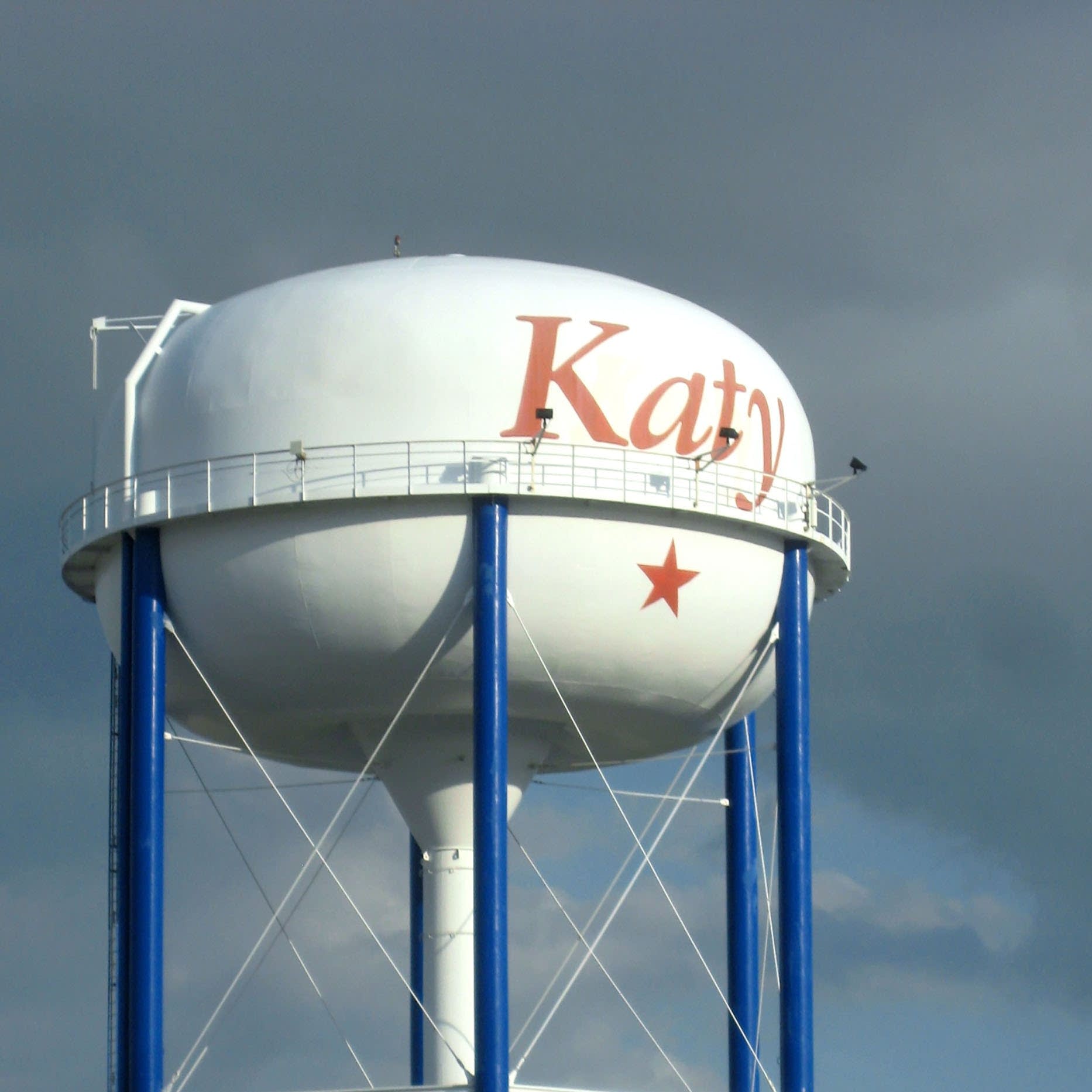
Overview of A dispatch from "Katyzuela"
Marketplace’s report visits Katy, Texas — nicknamed “Katyzuela” — to show how recent U.S. policy shifts on Venezuela are playing out on the ground. The piece ties local immigrant experience to geopolitical and economic moves: U.S. refiners are restarting direct purchases of Venezuelan crude while the U.S. government is rolling back immigration protections for many Venezuelans, pressuring some to consider return. The segment blends street-level reporting (a Venezuelan market and family stories) with expert commentary on oil-sector ties and broader economic news briefs.
Main story — Katy, Texas (Katyzuela)
-
Community snapshot
- Houston metro is home to roughly 75,000 Venezuelans, with many concentrated in the suburban city of Katy — called “Katyzuela.”
- La Pradera Latin Market in a Katy strip mall sells Venezuelan foods (coffee, chocolate, queso de mano) and serves as a community hub. The store opened in 2019 to serve the growing immigrant population.
- Many Venezuelan families chose Katy for good schools and affordable housing.
-
Immigration policy and local consequences
- The Trump administration has rescinded protections and work permits for hundreds of thousands of Venezuelans in the U.S., prompting fear of detention and deportation even among long-settled, law-abiding residents.
- Some Venezuelans worry returning would endanger their families or disrupt children raised in the U.S.; others may feel forced to go back if legal protections are removed.
-
Oil ties and potential labor flows
- U.S. refiners (examples: Citgo and Phillips 66 mentioned) are moving to buy Venezuelan crude directly after the administration eased licensing following a U.S. arrest of Venezuela’s leader earlier in January (as described in the report).
- Rice University professor Francisco Monaldi (Venezuelan-born) notes historical ties: decades ago many Americans worked in Venezuelan oil fields, and now Venezuelans abroad could act as cultural/operational guides if companies re-enter Venezuela.
- Returning to work in Venezuela’s oil sector might appeal to some with family ties or relevant experience, but safety and stability remain major concerns for others.
Broader economic and policy briefs included in the episode
-
U.S. trade deficit
- Commerce Department reported the U.S. trade deficit widened in December and the gap for the year reached a record high.
- Diane Swonk (KPMG) attributes part of the increase to surging imports of AI inputs and data-center equipment; tariff waivers for tech companies have boosted these imports because many of these components aren’t produced domestically.
-
Markets and energy
- Stock indexes were down (Dow, S&P, NASDAQ) at the time of the report; crude oil prices were up more than 2% (around $66.50/bbl), amid increased U.S. military presence in the Middle East and ongoing Iran nuclear talks.
-
Labor and unions
- Union membership ticked up slightly: ~10% of U.S. workers were unionized last year; full-time union workers earned about $230 more per week than non-union peers.
- Black workers had the highest unionization rates; public-sector union membership remains much higher than private sector.
- Left-leaning Economic Policy Institute says federal employees increasingly joined unions amid administration layoffs; the National Labor Relations Board was rendered less effective by leadership changes that removed its quorum.
Notable quotes / takeaways
- “This recent wave of immigration is not how Houston's relationship with Venezuela started.” — frames the historical flip from Americans working in Venezuela to Venezuelans settling in the U.S.
- Diane Swonk on AI imports: imports of AI inputs to data centers have surged because “we don’t produce them in the United States.”
- On risk and deportation fears: even long-time legal residents worry “there’s no guarantee you won't be detained and deported.”
Actionable takeaways / why it matters
- Policy contradiction: The U.S. is reopening economic ties to Venezuelan oil while simultaneously reducing protections for Venezuelan immigrants — a juxtaposition with human and economic consequences.
- Local effects: Suburban communities like Katy will feel both the cultural influence of a growing immigrant population and the stress of shifting immigration enforcement.
- Watch areas: developments in U.S.-Venezuela licensing for oil, changes in immigration status for Venezuelans in the U.S., and the flow of AI-related imports affecting the trade deficit and data-center expansion.
Notes and transcript caveats
- The transcript contains small inconsistencies in personal names/places (e.g., “Lady Lynn Castellanos” and later “Leydeline Castellanos”); the summary reflects the narrative but specific personal names may vary in the original audio.