Summary — "Filling the federal data void" (Marketplace)
Overview
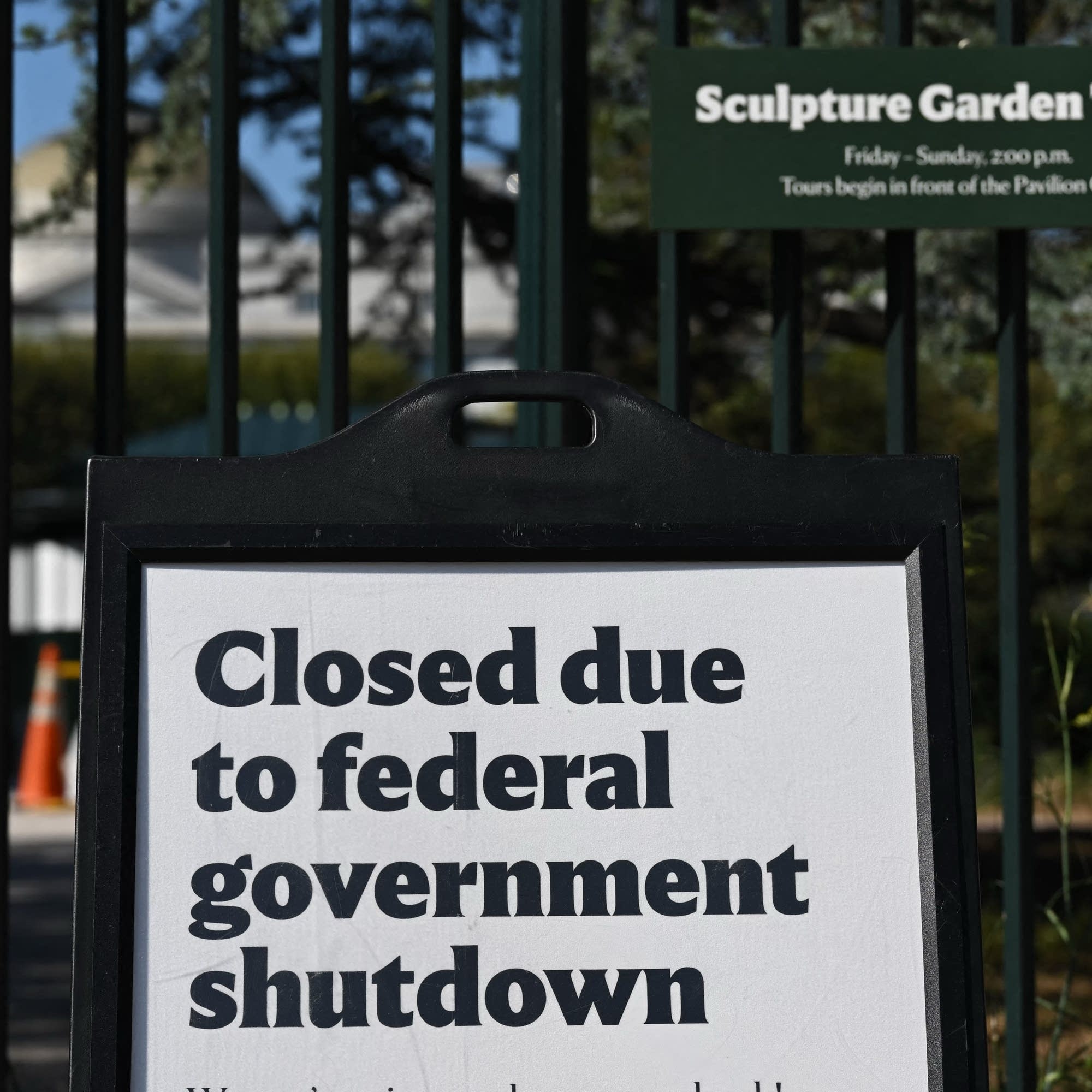
With a partial government shutdown halting the release of key federal economic statistics, private firms and alternative data sources are stepping in to fill the gap. This episode surveys how private-sector data is being used (and its limitations), looks at related real-world economic signals in housing and used-construction-equipment markets, reports market reactions, and closes with a personal story that illustrates how macro conditions play out for individual households.
Key points & main takeaways
- Government data interruptions (shutdown, day seven in this episode) have pushed private firms to publish their own economic estimates and trackers.
- Example: Carlyle released a proprietary estimate that only ~17,000 jobs were created in September — echoing other signs of a slow/stalled labor market.
- Private-sector data can be timely and offer unique coverage (e.g., payroll processors, job-posting wage trackers, company holdings) but has important limits:
- Often proprietary: methodology and sample details may be unclear.
- Less comprehensive: usually lack consistent, detailed demographic breakdowns (race, gender, education, geography) and long, year‑to‑year continuity that federal surveys provide.
- Mixed incentives: firms may publish data as public service, marketing, or because it aligns with their business model.
- Housing market snapshot:
- High mortgage rates (30-year average around ~6.3% at the time) mean many buyers submit all-cash offers — nearly one-third of home sales in the first half of the year were cash purchases.
- Cash offers make bids more attractive and can effectively let buyers pay less — research cited suggests switching from mortgage to cash could yield roughly a 10% price advantage (pre‑COVID study caveat).
- Heavy cash-buying makes it especially hard for first-time buyers who lack large cash reserves.
- Used construction equipment and auction markets:
- Auction yards (example: Bar Nun Auction Yard) are active destinations for small contractors and side‑hustlers buying cheaper equipment to start or expand businesses.
- Activity and buyer profiles (many small operators, side hustles) indicate construction is slower than a few years ago — residential construction completions are down.
- Auctions can be a lifeline for smaller firms but carry risks (equipment condition, no certainties on readiness).
- Market snapshot:
- Major indices were down on the day reported; gold hit a record high (reported as $4,003/oz), 10‑year Treasury yields fell to ~4.13%.
- Lived Economies — a household case study:
- Pharmacist Kareem Adassi and his wife added a second child and face typical middle-income stress: childcare costs estimated $2–3k/month, and an unexpected roughly $8,000 hospital bill after delivery.
- He described feeling powerless about macro conditions: a repeating refrain, “I can’t do anything about it,” underscores household anxiety even among working, non‑poor families.
Notable quotes / insights
- Elise Gould (Economic Policy Institute): private reports are “not that they’re less trustworthy… it’s that they don’t provide the same kind of comprehensive picture month after month, year after year.”
- John Challenger (Challenger Gray & Christmas): “We do it as a public service.” (on why firms publish labor data)
- Gerald Cohen (UNC economist): “I think it’s a bit of marketing.” (on private firms releasing data)
- Research finding (Michael Reher / UC San Diego): replacing mortgage bids with cash could buy the same home for about 10% less (study pre-COVID).
- From the Lived Economies segment: Kareem repeatedly: “I can’t do anything about it,” highlighting the private, emotional impact of macroeconomic pressures.
Topics discussed
- Federal data blackout during government shutdown and implications
- Private-sector economic data providers (Carlyle, ADP, Indeed wage tracker, Challenger Gray & Christmas)
- Strengths/limitations of proprietary economic data
- Housing market dynamics: mortgage rates, prevalence of cash buyers, effects on first-time buyers
- Used construction equipment auctions as economic signal and resource for small contractors
- Financial market movement (indices, gold, bond yields)
- Personal finance/household economic experience (childcare costs, medical bills, household stress)
Action items / recommendations
- For consumers and journalists:
- Treat private-sector economic reports as useful but cross-check against multiple sources and be cautious about sample/methodology limitations.
- Watch for datasets that publish methodology; prefer sources with transparent sampling.
- For homebuyers:
- Understand that cash offers can materially affect price and competitiveness; first‑time buyers should consider saving strategies or loan contingency protections in offers.
- For small contractors / entrepreneurs:
- Auction yards can offer big savings but inspect equipment carefully and account for potential repair costs.
- For policymakers:
- Restore and prioritize consistent, transparent federal economic data collection — it provides richer demographic and longitudinal information critical for policymaking and public understanding.
- For individuals facing medical or unexpected bills:
- Pursue hospital billing advocates and financial assistance programs (even if eligibility is uncertain), and shop around for repayment plans or negotiated discounts.
Who reported / notable contributors
- Reporter/hosts: Daniel Ackerman, Carla Javier, Matt Levin, Kristen Schwab (host)
- Experts cited: Celeste Carruthers (labor economist, Univ. of Tennessee), Elise Gould (EPI), Preston Mui (Employee America), John Challenger (Challenger Gray & Christmas), Gerald Cohen (UNC), Michael Reher (UC San Diego), Daryl Fairweather (Redfin)
- On-the-ground reporting: Bar Nun Auction Yard, buyers and territory manager Brad Finini
This episode underscores that private data can help fill short-term information gaps, but it is not a substitute for the depth, consistency, and demographic detail of federal statistics — and it highlights real economic pressures felt by households and small businesses.