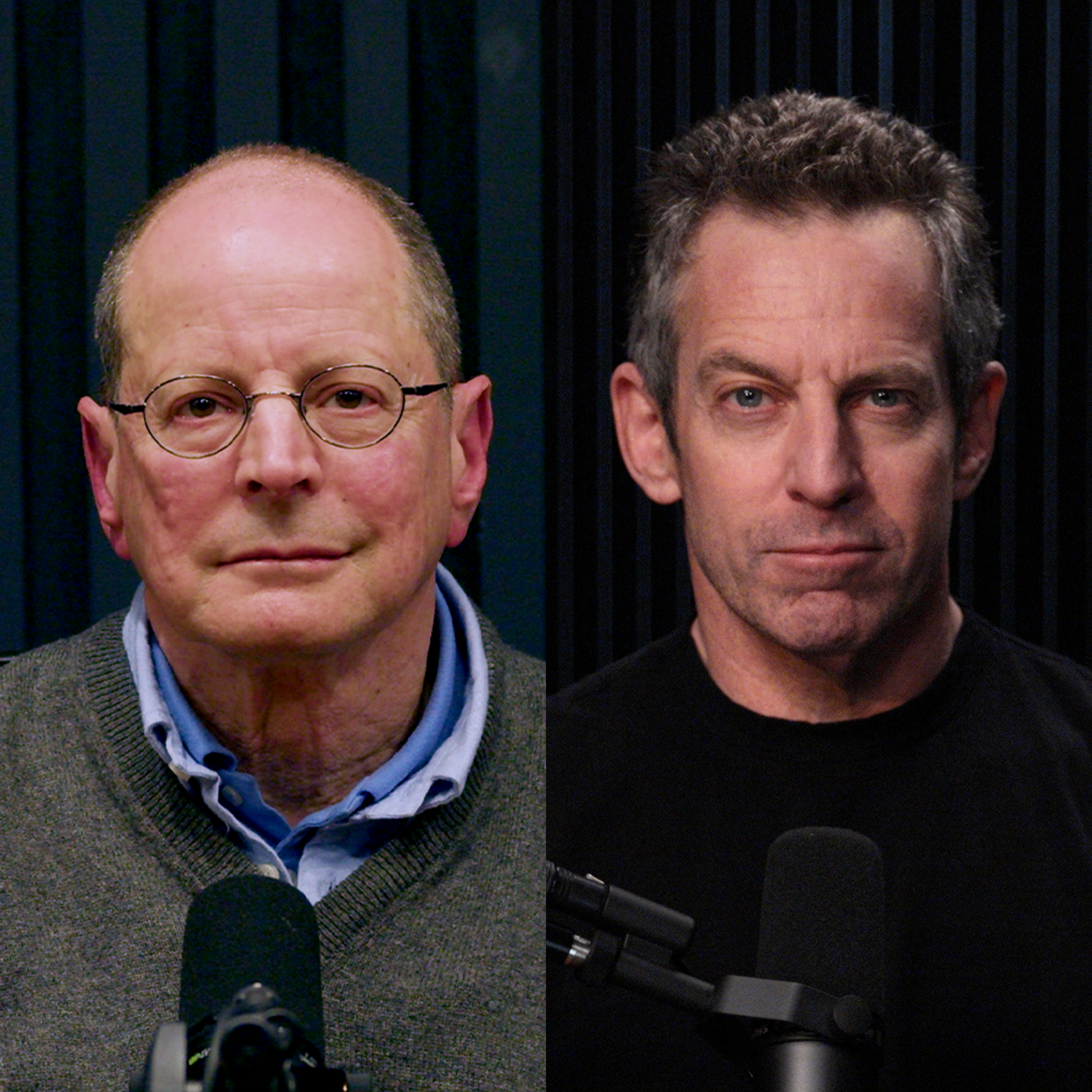
Overview of Making Sense — #456: American Fascism
Sam Harris interviews Jonathan Rauch about Rauch’s Atlantic essay “Yes, It’s Fascism.” Rauch explains why he moved from calling Trump a “patrimonialist” to endorsing the label “fascism” for the movement around Trump and many of his enablers. He lays out his method (assembling ~18 characteristics commonly associated with fascism and incompatible with liberal pluralism), emphasizes that the United States is not yet a fully fascist regime but is a hybrid state with a fascist leader, and discusses several concrete features that justify the label: demolition of norms, the strategic use of ridicule and spectacle, and the glorification/normalization of violence, among others.
Key takeaways
- Jonathan Rauch originally described Trump as a patrimonialist (a leader treating the state as personal property) but now believes many hallmarks of fascism are clearly present in Trumpism.
- Patrimonialism weakens bureaucratic competence by replacing experts with loyalists and enabling corruption and personal enrichment; fascism is a further step that adds ideological mass mobilization, anti-pluralism, and the fusion of movement and state.
- Rauch assembled a list of ~18 characteristics of fascism; the podcast focuses on several—demolition of norms, spectacle and trolling to dominate discourse, and a rhetoric that glorifies or legitimizes coercion and violence.
- The U.S. is described as a “mixed” or “hybrid” state: strong liberal institutions remain, but a fascist-oriented leadership is eroding norms and institutions.
- Labels matter: calling the phenomenon “fascism” helps people see the pattern and keep the big picture in focus, even if the term is historically freighted and politically combustible.
- The danger is directional rather than concluding: many things associated with fascism have worsened or emerged, and future political contests (e.g., elections) are decisive.
Arguments and definitions
- Rauch’s method: there is no single, bright-line definition of fascism. He compiled commonly agreed-upon characteristics that are consonant with historical fascisms and incompatible with liberal pluralism; when many of these features cluster in a leader or movement, the label is justified.
- Patrimonialism vs. fascism:
- Patrimonialism: state as personal property; appointments of loyalists; corruption and incompetence; not necessarily ideological or expansionist.
- Fascism: leader-centered mass movement; ideological mobilization; rejection of pluralism; glorification of coercion; fusion of party/movement with state; neutral institutions corroded.
- Rauch stresses we are not yet Hitler’s Germany; rather, we are seeing many of the signposts that historically precede or accompany fascist projects.
Selected themes discussed
Patrimonialism (the prior diagnosis)
- Trump treated government and policy (and foreign deals) as vehicles for family enrichment and patronage.
- Patrimonialism erodes bureaucratic competence by purging professionals and replacing them with personal loyalists who prioritize fealty over expertise.
Demolition of norms and the politics of spectacle
- Trolling, insults, and norm-breaking are strategic: they hijack attention, move public discourse to arenas where liberal civility cannot compete, and assert control over what is permissible speech.
- Historical parallels: early fascist leaders were often treated as buffoons before their movements became politically effective; ridicule can fail to stop them.
Glorification and normalization of violence
- Rauch distinguishes between a regime already committing mass killings and rhetoric/actions that make coercion a first resort. He flags worrying signs: celebratory violent imagery/memes, aggressive rhetoric by media figures and officials, and the use of federal force to intimidate protesters.
- The podcast connects this rhetoric and selective enforcement to a broader trend that treats political rivals and protesters as enemies rather than rivals.
The “hybrid” or mixed state
- The U.S. retains liberal constitutional structures and pluralist institutions, but leadership behavior can corrode those institutions over time.
- The trajectory matters: continued erosion of norms, institutional independence, and fair competition could push the system further toward a functioning authoritarian/fascist project.
Notable quotes (paraphrased/lightly edited)
- “We live in a mixed state, a hybrid state, with a liberal constitution and a fascist leader.” — Jonathan Rauch
- “The opposite of patrimonialism is not democracy. It’s bureaucracy.” — Jonathan Rauch
- “What you do if you want to dominate the dialogue is you troll and you insult, because civil society types can’t compete in that space.” — Jonathan Rauch
Implications and recommended attention
- Watch institutional erosion: keep an eye on purges of expertise, politicized appointments, and attacks on checks and balances.
- Elections matter: major political contests (midterms, presidential elections) will determine how far the movement advances or retreats.
- Cultural battle: calling out the tactics (spectacle, trolling, delegitimization of rivals) is necessary to prevent normalization.
- Civic constituencies matter: Rauch and Harris note the puzzling silence of some constituencies (e.g., gun-rights advocates) in face of state violence or rhetoric that undercuts their stated rationales.
Episode note
- This transcript is a publicly released excerpt. The full episode is subscriber-only on samharris.org.