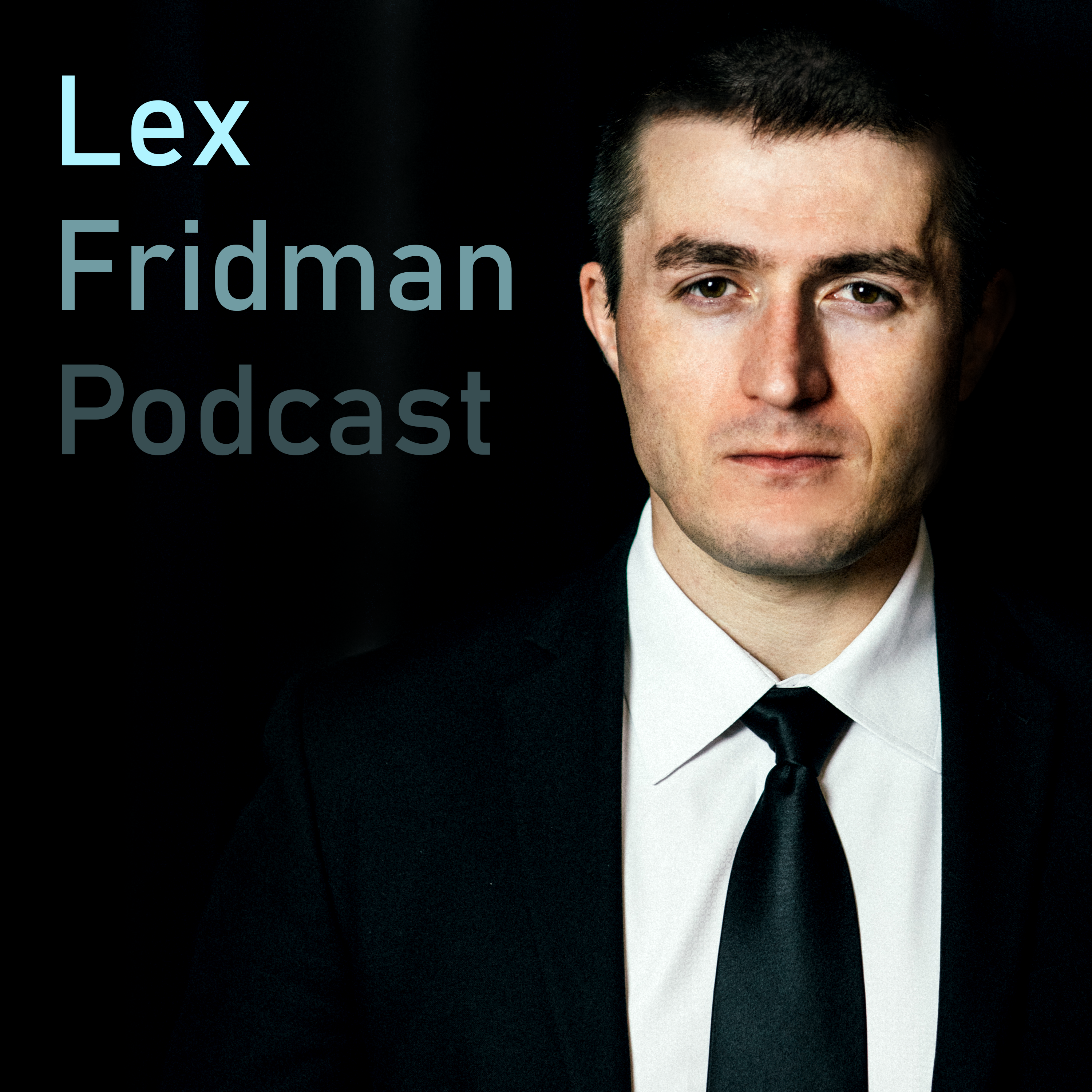
Overview of Lex Fridman Podcast #502 – Psychiatry, Insane Asylums, Mental Illness, ECT, Lobotomies, Freud & Jung
This conversation with historian Andrew Scull traces the long, often disturbing history of psychiatry: from the optimism of the asylum era, through eugenics and brutal “desperate remedies” like lobotomy and insulin coma therapy, to psychoanalysis, CBT, antidepressants, antipsychotics, and the present-day crisis in mental health care. Scull argues that psychiatry has made real but limited progress: most treatments are still symptomatic rather than curative, diagnosis remains unstable, and public policy has failed many people with severe mental illness.
Big Ideas and Core Argument
Psychiatry has advanced, but not enough
- Scull emphasizes that modern psychiatry has achieved some limited progress, especially since the 1950s.
- However, the field still lacks anything like a “psychiatric penicillin.”
- Most treatments help some patients, but:
- they are not cures
- they often come with serious side effects
- doctors usually cannot predict in advance who will benefit or be harmed
The “brain vs. mind” split is too simplistic
- Scull rejects a hard divide between:
- brain-based psychiatry (neuroscience, genetics, medication)
- mind-based psychiatry (psychotherapy, cognitive approaches)
- His view is that the brain is shaped by experience, so social and psychological factors are embedded in biology.
- The best approach is not one side or the other, but a more integrated understanding.
Psychiatry is in a crisis
- The field’s diagnosis system is unstable.
- Drug development has largely stalled.
- Severe mental illness is badly handled by public policy.
- Trust in psychiatry, medicine, and science has been eroded by hype, failed promises, and abuses.
Historical Arc of Mental Health Treatment
The asylum era
- Early asylums were founded with optimism:
- to rescue people from prisons and neglect
- to create a therapeutic environment
- to cure large numbers of patients
- Over time, they became overcrowded institutions full of chronic patients.
- Their decline led to the failed promise of community care, which often lacked the necessary infrastructure.
Eugenics and degeneration theory
- When asylum cures failed to match expectations, some doctors blamed the patients.
- Mental illness was recast as biological degeneration or evolutionary “throwback.”
- This helped justify:
- long-term institutionalization
- sterilization
- eventually, in Nazi Germany, mass murder of psychiatric patients
Psychiatry’s dark complicity with Nazism
- Scull discusses how American and European eugenic ideas helped shape Nazi policy.
- He highlights the role of Ernst Rüdin and the broader collaboration of German psychiatry.
- The Nazi T4 program became the model for industrialized killing, including the development of gas chambers.
Desperate Remedies: The Worst Interventions
Lobotomy
- One of the most notorious “treatments” in psychiatry.
- Promoted by Egas Moniz, then popularized by Walter Freeman in the U.S.
- Freeman’s “ice-pick lobotomy” was fast, crude, and often devastating.
- It was widely used before anti-psychotic drugs displaced it.
- Public consciousness of its horror was amplified by One Flew Over the Cuckoo’s Nest.
Insulin coma therapy
- Patients were repeatedly driven into deep hypoglycemic comas.
- Claimed miracle cure rates were exaggerated.
- Controlled trials later showed it was not effective.
- It could be dangerous, labor-intensive, and physically damaging.
ECT (electroconvulsive therapy)
- Early ECT was unmodified and often caused:
- fractures
- memory loss
- fear and trauma
- It was often used as a disciplinary tool in institutions.
- Later, with anesthesia and muscle relaxants, ECT became safer and remains useful for some severe, treatment-resistant depression cases.
- Still, it remains controversial because:
- its mechanism is unclear
- memory side effects remain concerning
- many patients and former patients strongly oppose it
Freud, Jung, and the Rise of Talk Therapy
Psychoanalysis as a response to psychological suffering
- Freud and Breuer developed psychoanalysis through cases like Anna O.
- Freud’s core ideas:
- unconscious conflict
- repression
- childhood experience shaping adult life
- dream interpretation
- free association
- His model of mind included:
- id
- ego
- superego
Why psychoanalysis mattered
- Freud helped make the psyche itself a legitimate object of study.
- Psychoanalysis influenced:
- literature
- art
- film
- elite intellectual culture
- But it was slow, expensive, and hard to validate scientifically.
Jung’s split from Freud
- Jung was initially Freud’s heir apparent.
- They later broke over theory and personality.
- Jung became especially important among wealthy American patients and intellectual circles.
Talk therapy’s modern successor: CBT
- In the postwar era, cognitive behavioral therapy and related approaches became more practical, measurable, and scalable than psychoanalysis.
- CBT focuses on changing:
- maladaptive thoughts
- habits
- behavioral patterns
- Scull sees it as useful for some people, especially milder depression and anxiety, but not a universal solution.
Psychopharmacology: Real Progress, Real Limits
The accidental birth of modern psychiatric drugs
- Many major psych drugs were discovered by accident.
- Chlorpromazine (Thorazine) emerged from antihistamine research and became the first major antipsychotic.
- MAOIs and tricyclic antidepressants were found through tuberculosis treatment research and other chance discoveries.
- These drugs changed psychiatry dramatically, especially in hospitals.
What antipsychotics and antidepressants do
- Antipsychotics help mainly with positive symptoms:
- hallucinations
- delusions
- agitation
- Antidepressants often provide only modest benefit over placebo in trials.
- They do not reliably help everyone, and side effects are often severe.
Side effects are a huge problem
- Antipsychotics can cause:
- restlessness
- parkinsonian symptoms
- tardive dyskinesia
- major weight gain and metabolic syndrome
- Antidepressants can cause:
- emotional flattening
- sexual dysfunction
- withdrawal problems
- Scull stresses that the benefit-risk calculation is often unclear for each individual patient.
Drug development has stalled
- Big pharma largely moved away from psychiatry because:
- discoveries became harder
- profits were lower
- neuroscience had not produced new targets quickly enough
- Scull sees this as a major failure of the field.
Diagnosis: DSM, Reliability, and Validity
The DSM solved one problem, but not the deeper one
- DSM-III was created to improve reliability in diagnosis.
- It succeeded in making psychiatrists more likely to agree on labels.
- But reliability is not the same as validity.
- Scull argues DSM categories often do not map cleanly onto real diseases.
A diagnostic system built on symptoms
- The DSM increasingly became a symptom checklist.
- That helped insurance and research, but it may also have:
- medicalized normal distress
- expanded categories too far
- obscured underlying causes
Genetics has not delivered the hoped-for answers
- Large genetic studies have found only partial, overlapping signals.
- Conditions like schizophrenia, bipolar disorder, and autism may share biological risk factors.
- This raises the possibility that current categories are not as cleanly separated as psychiatry hoped.
Current Crisis and What Might Help
Severe mental illness is poorly handled socially
- People with severe mental illness often die 15–25 years earlier than the general population.
- Scull points to homelessness, street psychosis, jails, and prisons as evidence of failed public policy.
- In the U.S., major jail systems function as de facto psychiatric institutions.
What needs to change
Scull’s recommendations are not a single breakthrough, but a broader shift:
- continue research on drugs, but with caution
- expand psychosocial and family support
- invest in housing, community care, and social connection
- support more research in:
- psychotherapy
- social determinants of mental health
- care systems for the severely mentally ill
A note of cautious hope
- Scull does not deny the existence of progress.
- He argues for:
- humility
- skepticism toward miracle claims
- less hype from journals and science media
- more recognition of the limits of current knowledge
Notable Takeaways
- Mental illness is real, varied, and deeply human — but psychiatry still understands it only partially.
- The field’s history is filled with overconfidence, harmful ideology, and treatments later seen as atrocities.
- Some treatments help, but most are compromises, not cures.
- Social isolation, poverty, family strain, and public policy failures matter enormously.
- The future likely requires combining biology, psychology, and social support rather than choosing one explanation.
Memorable Lines and Themes
- Leon Eisenberg’s summary of psychiatry’s drift:
- “When I entered psychiatry it was brainless psychiatry; when I left it was mindless psychiatry.”
- Scull’s warning against hype:
- psychiatry has repeatedly promised “80% cures” that did not materialize.
- Nietzsche’s closing frame, echoed by the episode:
- life involves suffering, and meaning is often found in how we endure it.