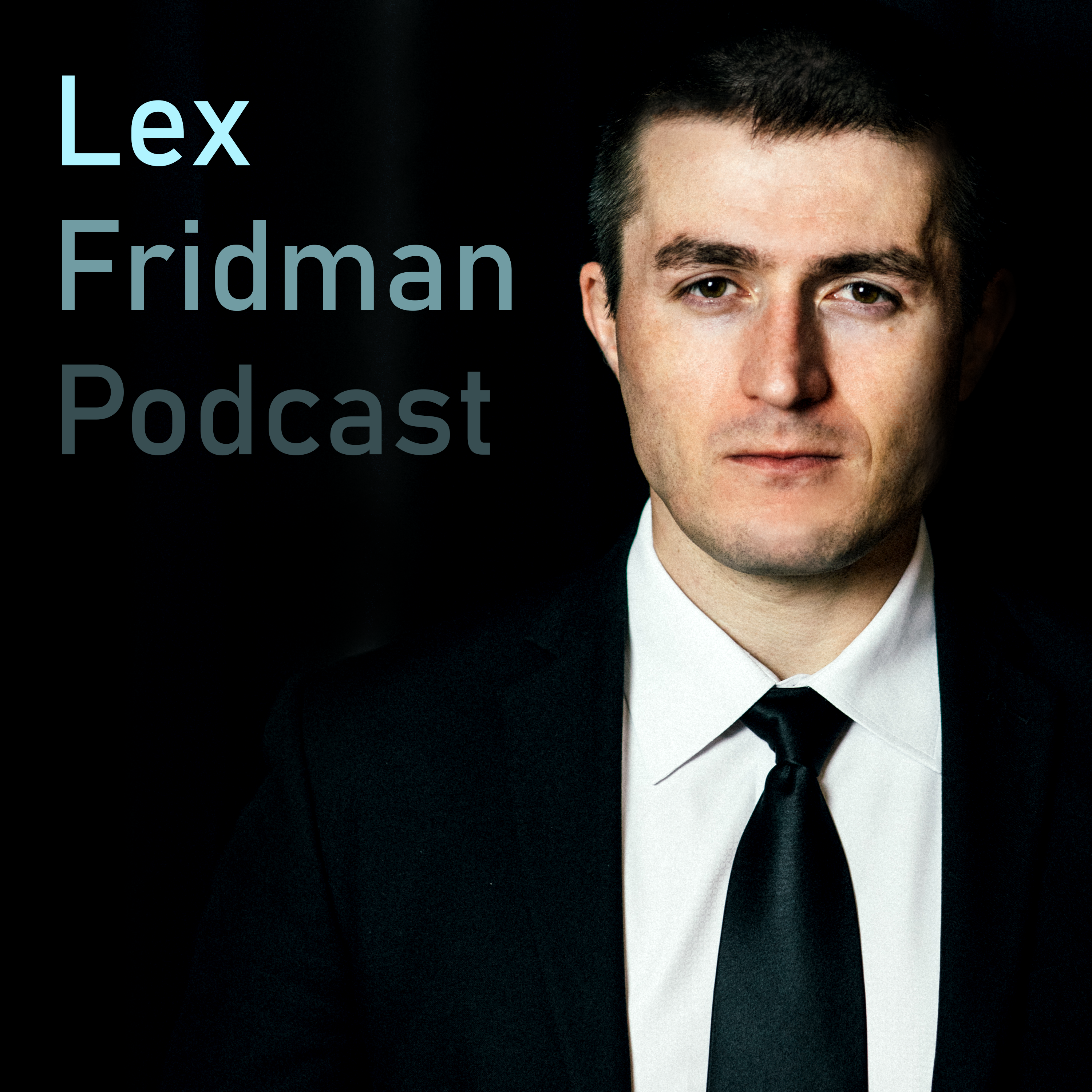
Overview of Lex Fridman Podcast #500 with Khabib Nurmagomedov
This conversation explores Khabib Nurmagomedov’s life and worldview through the lenses of Dagestan, combat sports, faith, family, discipline, and football. Khabib reflects on the harsh environment that shaped him, the legendary coaching culture that produced so many champions, the mental demands of staying undefeated, his rivalry with Conor McGregor, and the values that kept him grounded after fame and success. The discussion also ranges widely across MMA history, coaching, and his love of Real Madrid and world football.
Dagestan, Family, and the Making of Champions
The gym culture that built elite fighters
- Khabib explains that Dagestan’s success in wrestling and MMA came from a combination of:
- high-level coaching
- constant competition
- deep cultural respect for wrestling and combat sports
- harsh living conditions that demanded toughness
- His father built a home gym in the village and later trained athletes in Makhachkala in a very basic facility with minimal amenities.
- The famous “one shower for many people” setup symbolized the broader reality: little comfort, high discipline, and a strong training culture.
Why hard conditions mattered
- Khabib argues that hardship often creates hunger, while comfort can weaken motivation.
- He sees combat sports as especially suited to this environment because they require discipline more than expensive infrastructure.
- Dagestan’s mountainous geography, history of invasions, and survival-based culture all contributed to a mindset of resilience.
Mindset, Discipline, and the Psychology of Winning
“The hatred of losing”
- Khabib says his main fuel was not just the desire to win, but a deep hatred of losing.
- He prepared obsessively, often structuring travel and life around training.
- His routine included:
- morning and evening sessions
- extra runs and sprints
- wrestling, striking, and strength work
- occasionally a third training session at night
Staying champion is harder than becoming champion
- He emphasizes that reaching the top is one thing; staying there is much harder.
- Fame, money, contracts, travel, media, and distractions can slowly erode the hunger that made an athlete great.
- He says many fighters lose their edge once they reach success because they no longer know what to chase.
Winning starts in the mind
- Khabib describes elite competition as a battle against fear, nerves, and self-doubt before it is a battle against the opponent.
- He believes fear should not be ignored but confronted and worked through.
- Experience, repeated competition, and strict preparation are what turn fear into confidence.
Faith, Humility, and the Role of God
Religion as the foundation
- Khabib says Islam has always been central to his life.
- He structures his day around prayer and sees worship as the primary purpose of life.
- Faith helped him:
- stay humble after success
- handle pressure
- cope with the death of his father
- remember that life is temporary and accountability matters
Gratitude and perspective
- He repeatedly says “Alhamdulillah” because he believes success is a gift from God, not something to take personal credit for.
- He stresses that wealth, fame, and power should remain in one’s hands, not one’s heart.
- His worldview is shaped by the belief in the Day of Judgment and the idea that life is preparation for eternity.
Conor McGregor, UFC History, and the Nature of Great Fights
The Conor fight as a cultural event
- Khabib says the fight with Conor McGregor was the toughest mental fight of his career up to that point.
- He was never emotionally rattled by Conor’s trash talk.
- He stayed disciplined through press conferences, weigh-ins, and fight week, then released his emotions after the fight ended.
Why the rivalry became enormous
- He believes the fight transcended MMA because it combined:
- real personal rivalry
- national and religious overtones
- strong personality contrast
- genuine competitive energy
- He contrasts real rivalries with manufactured hype and says fans can sense authenticity.
What made him dangerous
- Khabib explains his style in simple terms:
- pressure the opponent’s weakness
- force them to spend energy escaping
- never let them settle
- He compares his approach to the idea of using an opponent’s force against them.
Coaching, Team Culture, and the Next Generation
His role after retirement
- Khabib has moved from fighter to leader/mentor.
- He works closely with Javier Mendez, whom he credits for his deep understanding of MMA training camps and sparring management.
- He says coaching requires individualized approaches because no two athletes are the same.
His team’s chain of development
- He describes a pipeline where one generation pulls the next forward:
- Khabib trained under his father and older teammates
- Islam Makhachev trained behind Khabib
- now younger fighters develop behind Islam
- This cycle, he says, is what sustains elite gyms over time.
Islam Makhachev’s greatness
- Khabib credits Islam’s rise to:
- discipline
- sacrifice
- natural talent
- ability to endure difficult training environments
- He says Islam is one of his father’s best students and has the mentality needed to become an all-time great.
MMA Legends and the Fighters Khabib Admires
Shogun Rua, Fedor Emelianenko, and Georges St-Pierre
- Khabib names Shogun Rua, Fedor, and GSP as major influences.
- He admires:
- Shogun’s ability to keep fighting after takedowns
- GSP’s timing, takedowns, and professionalism
- Fedor’s calmness, aura, and composure
- He recalls seeing Fedor compete in Dagestan and being amazed by his quiet, disciplined routine.
Daniel Cormier and the AKA era
- Khabib praises Daniel Cormier as one of the most complete athletes ever:
- Olympic-level wrestling background
- Strikeforce success
- UFC titles at both light heavyweight and heavyweight
- He says Cormier’s rivalry with Jon Jones is a major reason Cormier’s legacy is underrated.
Football: Real Madrid, Ronaldo, Messi, and the Beauty of Greatness
Early football memories
- Khabib’s love of football began in childhood, often watching matches with his father.
- He recalls early memories of:
- Euro 1996
- the 1998 Champions League final
- childhood street football in Dagestan
- He says football was always part of village life and local identity.
Why he loves Cristiano Ronaldo
- Khabib admires Ronaldo for:
- athleticism
- work ethic
- longevity
- success under pressure at Manchester United, Real Madrid, and Juventus
- He respects Ronaldo’s ability to keep improving and scoring at the highest level over two decades.
Messi and the rivalry that elevated football
- He believes Messi and Ronaldo pushed each other to unprecedented heights.
- Their rivalry improved football globally because each forced the other to keep evolving.
- He refuses to rank one above the other, saying both deserve enormous respect.
Teams and styles he loves
- His favorite club is Real Madrid.
- He also respects classic Barcelona teams, especially the era of Xavi, Iniesta, Busquets, and Messi.
- He admires players who take initiative and responsibility, not those who avoid risk.
Favorite footballers beyond the GOATs
- He discusses admiration for:
- Zidane
- Brazilian Ronaldo
- Zlatan Ibrahimović
- Ronaldinho
- Maradona
- What they share, in his view, is charisma, courage, and the ability to decide games.
Faith, Legacy, and Life Advice
What legacy means to Khabib
- For him, legacy is not fame alone.
- Real legacy is when people say you inspired their children to pursue sports and live better.
- He warns that some successful people never become role models because they lose their moral center.
Advice to young people
- His main advice is simple: read.
- He points to the first revealed command in the Quran, “Iqra” (“Read”), as the foundation for learning, growth, and self-understanding.
- He encourages young people to:
- educate themselves
- seek truth
- stay grounded
- think about eternity, not only worldly success
Key Takeaways
- Khabib sees champions as products of culture, hardship, coaching, and discipline—not just talent.
- His father’s influence is the central force in his life and career.
- Faith is not separate from his success; it is the foundation that keeps him humble and resilient.
- He believes elite competition is mostly psychological.
- Greatness in MMA and football comes from initiative, pressure, sacrifice, and the courage to be different.
- Even after retirement, Khabib remains deeply connected to wrestling, coaching, and the pursuit of excellence.