Overview of Left, Right & Center on Virginia Redistricting, Iran, and the Farm Bill
This episode of KCRW’s Left, Right & Center centers on three major political flashpoints: the escalating national battle over redistricting, the Trump administration’s handling of the Iran war and ceasefire talks, and the looming Farm Bill fight inside the Trump coalition. Across all three segments, the panel keeps returning to a common theme: American politics is increasingly driven by retaliation, existential fear, and short-term power grabs rather than durable governing principles.
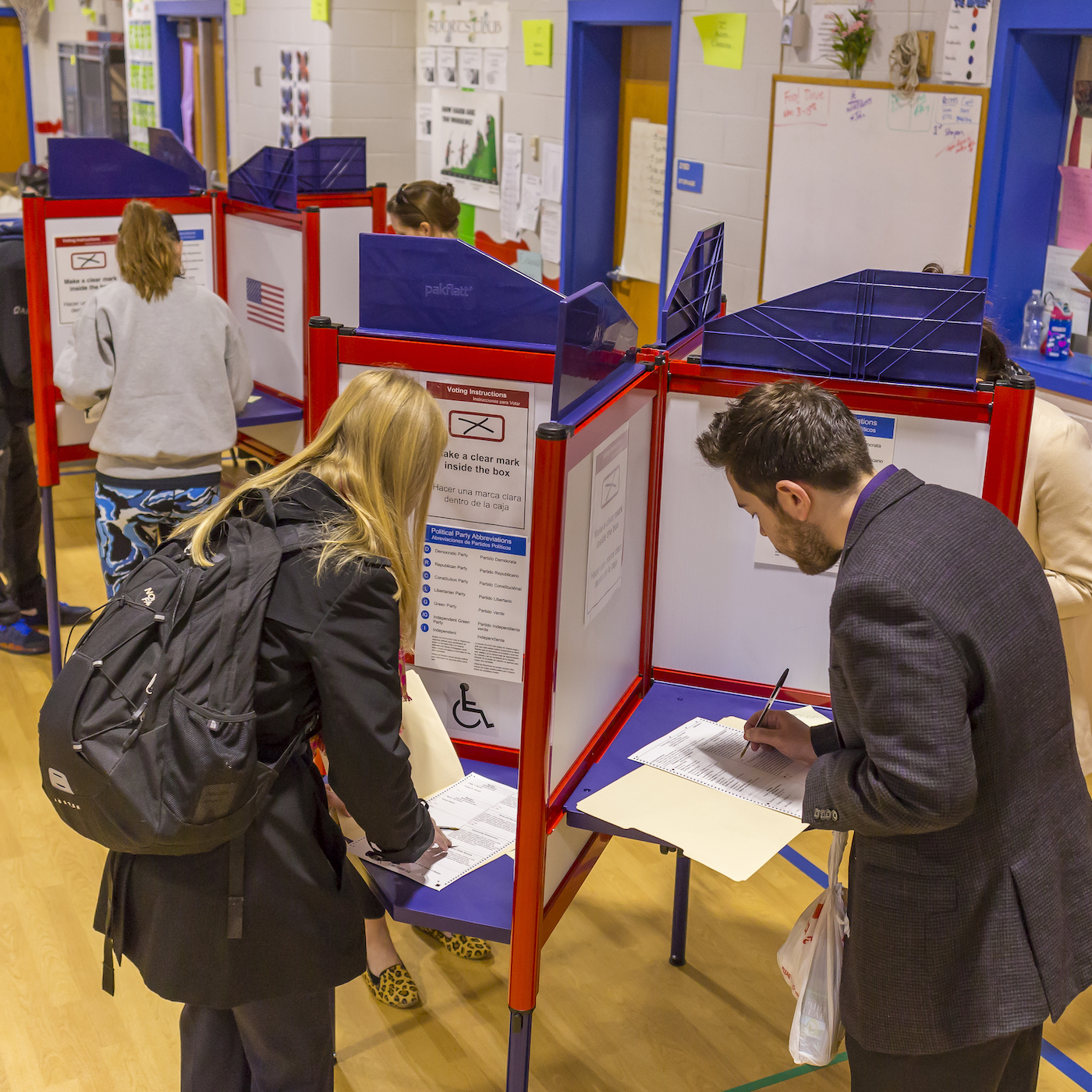
Virginia Redistricting and the National Gerrymander Arms Race
The episode opens with Virginia’s referendum approving new congressional maps that could help Democrats flip up to four House seats. The hosts frame this as part of a broader national “arms race” over gerrymandering, with states redrawing maps to advantage whichever party controls them.
Main points from the discussion
- Democrats in Virginia justified the move as defensive, arguing Republican-led states and Trump-backed map pushes forced their hand.
- Sarah Isger argued strongly against the tactic, saying “we did it first” or “they did it, so we’ll do it worse” is not a valid democratic principle.
- Liz Brunig agreed the process is dangerous, but emphasized that Republicans helped start the escalation and that map-drawing often weakens the collective voting power of Black and Latino communities.
- The panel agreed that the cycle is self-perpetuating: one party’s hardball tactic invites retaliation from the other, making it hard to stop.
- Sarah noted a strategic irony: more competitive maps can backfire if the political climate shifts, because swing waves can wipe out newly drawn seats.
Broader takeaway
The conversation suggests redistricting has moved beyond a debate over fair representation and become another front in a national partisan war. Even if one side wins a round, the long-term cost may be lower legitimacy and more instability.
Iran War, Trump’s Negotiating Style, and J.D. Vance’s Role
The second major segment examines the Trump administration’s ongoing war with Iran, its ceasefire efforts, and Vice President J.D. Vance’s increasingly visible role as a diplomatic stand-in.
Main points from the discussion
- Sarah said Trump gets some credit for recognizing Iran as a serious, long-term threat, especially the danger of a nuclear Iran.
- But both panelists said Trump’s style reveals a major flaw: he assumes other actors will react the way he imagines, which is a recurring problem in foreign policy.
- Liz argued the war is already causing real economic pain, including higher gas prices, and may worsen regional instability rather than solve anything.
- She also said the conflict could leave Israel less safe in the long run, because even if Iran’s military capability is reduced, anger and instability across the region could intensify.
- Sarah described the administration’s approach as neither fully escalatory nor fully resolved: not enough to force regime collapse, not enough to stop Iran’s nuclear trajectory, and not clear what success would even mean.
J.D. Vance’s position
- Vance is being used as a softer diplomatic face while Trump plays the “madman” role.
- Liz argued Vance is too inexperienced for such a consequential assignment.
- Sarah added that Trump may not actually want Vance to become a successful heir, because Trump’s political identity depends on being the singular dealmaker.
- The panel joked, but seriously, that Trump may prefer a future in which only he can claim victory.
Broader takeaway
The segment portrays Trump’s foreign policy as improvisational and personality-driven, with unclear goals and little tolerance for shared credit or succession.
The Farm Bill and the Trump Coalition’s MAHA Tension
The final major policy segment turns to the trillion-dollar Farm Bill and the tension between traditional Republican agriculture interests and the MAHA (“Make America Healthy Again”) movement associated with RFK Jr.
Main points from the discussion
- The bill is seen as favoring large-scale industrial agriculture, pesticides, and big ag interests.
- That puts it at odds with MAHA’s stated goals of healthier food, fewer chemicals, and more support for small farmers.
- Liz said Democrats should keep focusing on SNAP cuts, arguing that slashing food assistance during a period of high grocery prices is cruel and harmful to families and children.
- Sarah argued that MAHA is a real and growing force because small-dollar activism and primary threats now matter more than big donors alone.
- She suggested the old Republican coalition tied to big ag is being disrupted by a newer, more populist and anti-establishment faction.
Broader takeaway
The Farm Bill exposes how unstable modern party coalitions have become. The GOP is trying to balance agribusiness, populists, and MAHA activists, and those interests do not always align.
Rants and Raves
The episode ends with the show’s customary lighter segment.
Liz Brunig’s rave
- She praised a few warm days in New England, saying the good weather lifted her mood and made everything feel a little more manageable.
Sarah Isger’s rave
- She gave a shoutout to her immune system for hanging on during a long book tour.
- She also thanked listeners for helping push her book onto the New York Times bestseller list.
McKay Coppins’ rant
- He criticized The Secret Lives of Mormon Wives and especially the new spinoff, saying the show is a poor stand-in for real Mormon life and shouldn’t be used as a source for understanding Mormonism.
Key Takeaways
- Redistricting is now part of a broader partisan escalation cycle, with both parties claiming self-defense.
- Trump’s Iran strategy is aggressive but unclear, with no agreed-upon definition of success.
- J.D. Vance appears overmatched in a major diplomatic role.
- The Farm Bill highlights a fracture inside the GOP, especially between big ag and MAHA-style populism.
- Across all topics, the panel returns to the same concern: American politics is becoming more about power, retaliation, and identity than governance.