Overview of Trump’s Media Ban Threatens The First Amendment
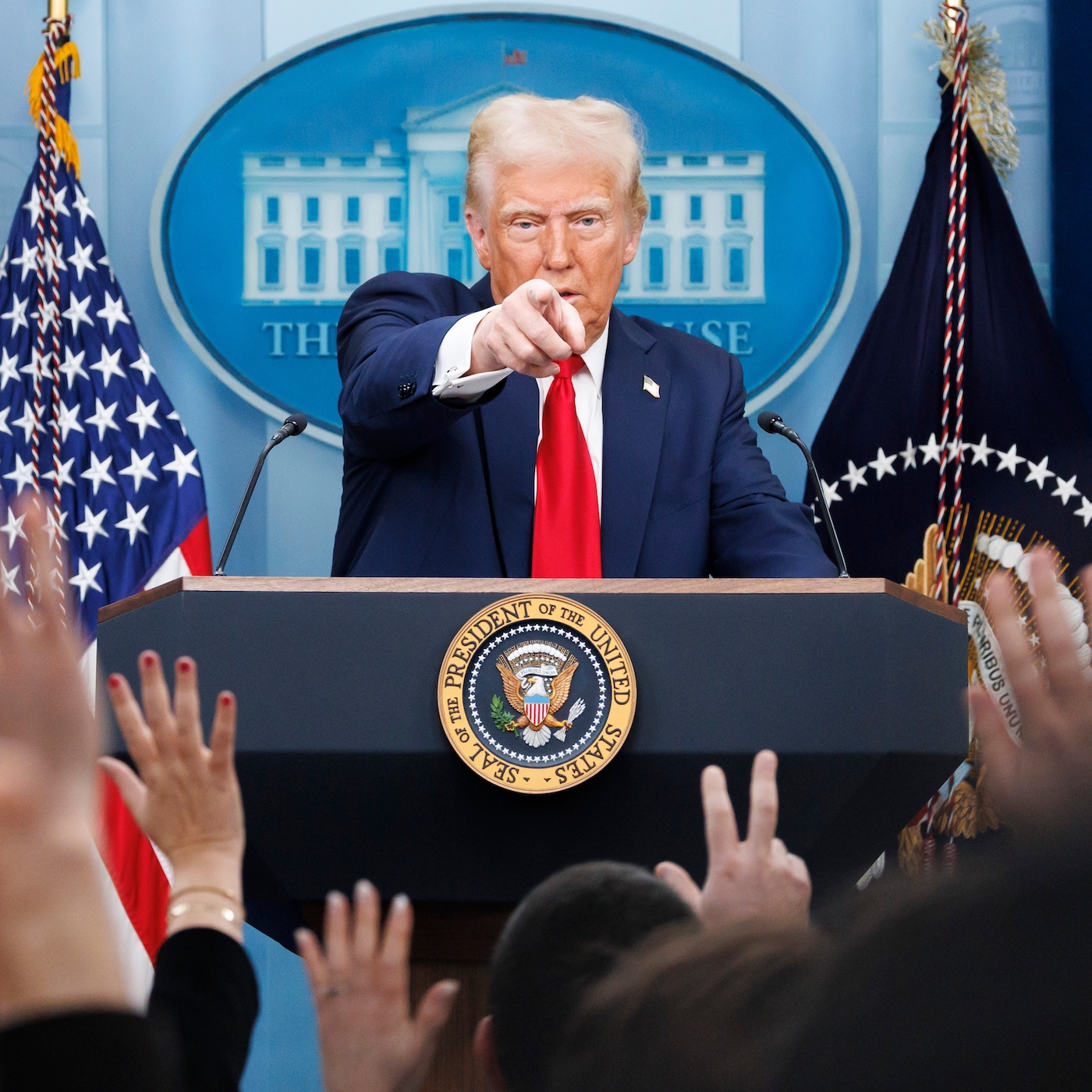
This episode of KCRW’s Left, Right & Center centers on President Trump’s decision to ban CNN, MS NOW (MSNBC), and Politico from White House access after labeling them “fake news,” and what that means for the First Amendment, press freedom, and democratic norms. The panel also broadens the conversation to Trump’s media strategy, public trust in journalism, and how his worldview shapes foreign policy on China, Russia, Ukraine, NATO, immigration, and civilizational “erosion.”
Main Topic: Trump’s White House Media Ban
Why the ban matters
The hosts emphasize that White House access is not just about scoops—it symbolizes the public’s ability to see power up close and know what is happening inside the presidency. Even if many stories come from deeper reporting, the White House press pool remains an important democratic institution.
Immediate aftermath
- A federal judge temporarily lifted the ban for two weeks.
- Trump vowed to appeal and try again.
- The White House also launched a new 24-hour YouTube channel, framed as a more controlled messaging platform.
Panel reaction
- Mo Alethi argues Trump doesn’t care about the Constitution and sees the press as an obstacle, not a check on power.
- Will Swaim calls the move a waste of time and a repeat of Trump’s first-term clashes with the press.
- Both agree the bigger danger is setting a precedent for future presidents to kick outlets out for political reasons.
The Role of the Press and Public Trust
Access vs. accountability
The panel debates how much value press conferences and pool access really provide versus deep investigative reporting. One takeaway:
- Press access matters symbolically and institutionally
- But serious journalism usually comes from documents, sources, and long-form reporting, not just on-camera confrontations
Trust in media
They discuss the long decline in trust in journalism:
- Cable news, talk radio, and the internet fractured the old shared-information environment
- Trump has capitalized on existing distrust, but also amplified it
- The panel agrees the media has real work to do in rebuilding credibility
Media bias and diversity
Will argues many newsrooms are too ideologically and culturally homogenous, which can lead to blind spots. Mo pushes back somewhat but acknowledges that audiences often perceive outlets as left- or right-leaning. The conversation ends with agreement that media institutions need more diversity of experience, not just ideology.
Trump’s Broader Political and Foreign Policy Style
A transactional worldview
Mo frames Trump’s foreign policy as based on four core ideas:
- America is the lone superpower, but not a promoter of democracy
- Alliances are transactional, not moral commitments
- Great powers should each have their own “neighborhoods”
- The biggest threat is civilizational erosion, especially from uncontrolled migration
Immigration and “civilizational erosion”
The panel debates the line between legitimate concerns about immigration and rhetoric that veers into xenophobia or racism. They note:
- Immigration can create real social and economic strain
- But language about assimilation and collapse can easily be used to fan prejudice
- Trump’s refugee policy, especially the focus on white South Africans, is seen as especially revealing
Russia, Ukraine, and NATO
The discussion becomes especially sharp around Trump’s handling of Russia and Ukraine:
- Trump claims he has a special relationship with Putin and could broker peace
- Mo argues Trump has weakened NATO and hurt U.S. credibility with allies
- Will says Trump often gets to a desired outcome only after creating unnecessary chaos and cost
- Both worry the result could be a bad deal for Ukraine and more instability in Europe
China and global power
The panel also notes that when the U.S. pulls back from leadership, China often fills the void—in areas like climate, AI, and global influence. Trump’s “great powers get their own regions” theory, they argue, does not match how China and Russia actually behave.
Closing Rants and Raves
Will’s rave: “lady literature” and a 30-day news diet
Will shares that a Democratic consultant friend introduced him to:
- A limited news diet
- What she calls “lady literature”—fiction focused on empathy, social connection, and kindness
He says the change improved his sleep, lowered his stress, and made him more patient.
Mo’s rant: violence at houses of worship
Mo uses his rant to remember:
- Jeff Smith, a police officer/security guard wounded while protecting a synagogue in Ontario on Yom Kippur
- Amin Abdullah, who died defending a mosque in San Diego from armed attackers
His point: protecting places of worship has become a dangerous job, and these acts of courage should be remembered.
David’s rave: gun violence prevention work
David highlights people working on gun violence prevention, including organizations tied to Gabby Giffords, and notes that gun homicides are down in the U.S. He praises the difficult, ongoing work of reformers trying to reduce violence and rebuild trust.
Key Takeaways
- Trump’s media ban is less about specific outlets than about power, precedent, and control of the narrative.
- The press still matters as a democratic check, even if major stories often come from outside the press room.
- Trump’s foreign policy is presented as transactional, nationalist, and skeptical of alliances.
- The panel sees a recurring pattern: Trump often creates short-term chaos in pursuit of goals that may or may not be strategically sound.
- The episode closes on a note of reflection about courage, violence, and civic responsibility.