Overview of Left, Right and Center (KCRW)
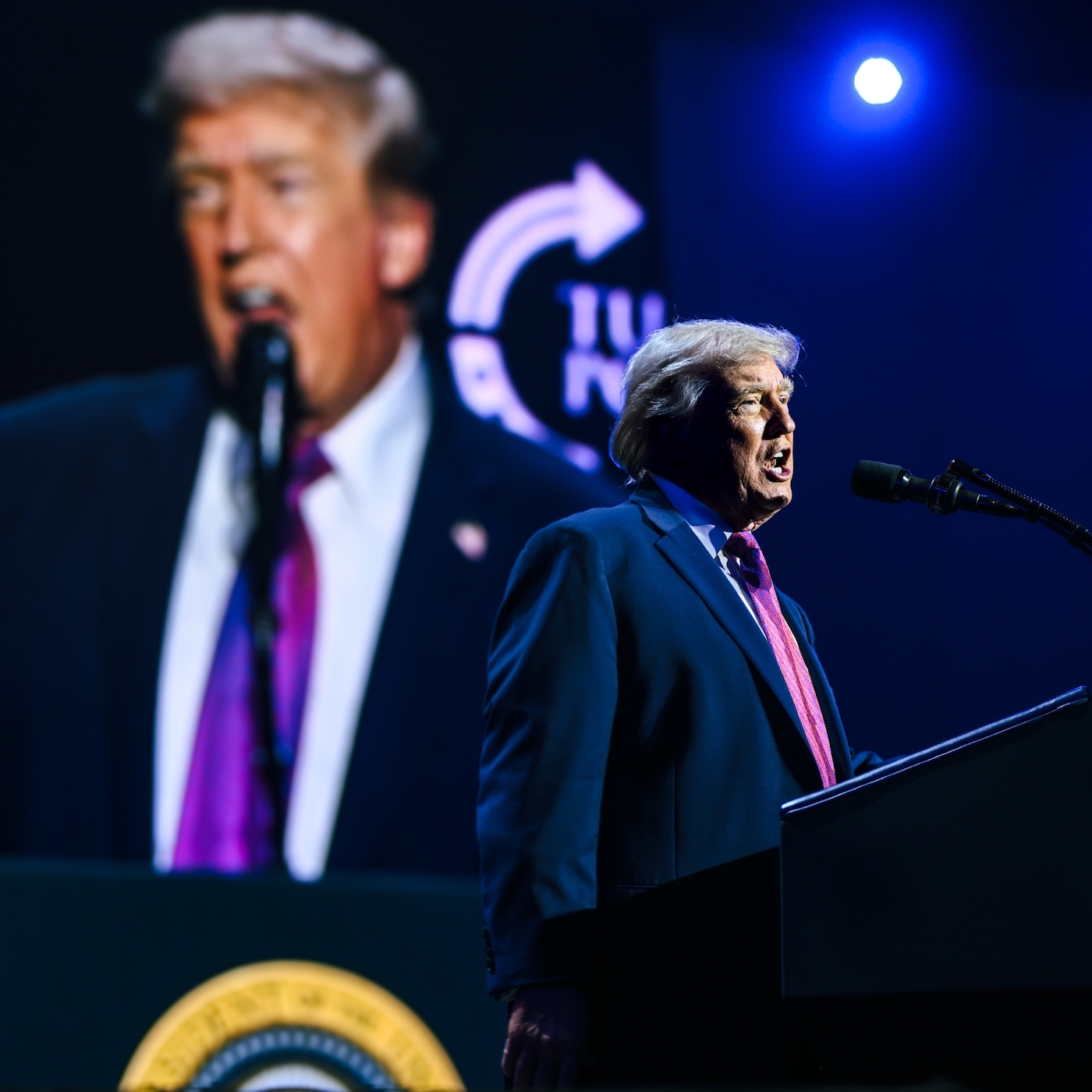
This episode centers on President Trump’s new $1.8 billion “anti-weaponization” fund, created through a settlement with the IRS, and the broader debate over whether it represents a legitimate way to compensate people harmed by government overreach or a brazenly corrupt slush fund that could benefit Trump allies and even his own family. The panel also digs into recent primary results showing Trump’s continued influence over the GOP, growing anti-establishment energy in both parties, and listener questions about John Fetterman, direct democracy, and the role of Congress.
Trump’s $1.8 Billion Anti-Weaponization Fund
What the fund is
- Trump says the fund is meant to reimburse people who were “weaponized” against by the government.
- The fund stems from a settlement tied to Trump’s IRS lawsuit.
- It includes an official apology and could provide payments for legal costs and other damages.
Why critics call it corruption
- Democrats argue the fund could become a political payoff mechanism for Trump allies.
- Concerns were raised that it could extend to January 6 defendants or other loyalists.
- A major point of alarm: the settlement also appears to block the IRS from auditing or prosecuting Trump, his family, and businesses for past returns, which the panel calls a huge potential benefit.
The panel’s debate
- Liz Bruning argued the arrangement is hard to view as anything other than corruption because Trump is effectively using the power of the presidency while acting in his own interest.
- Mike Dupke defended the idea in principle, saying government overreach can create chilling effects and that there should be recourse for people unfairly targeted.
- Both agreed that the biggest issue is opacity:
- Who qualifies as “weaponized”?
- Who sits on the five-person panel?
- What rules will exclude violent offenders or January 6 participants?
- Where will the money come from?
Main takeaway
- Even if the concept has some precedent, the way it is structured and the Trump-family tax exemption make it look, in the hosts’ words, like a move that pushes the country toward “banana republic” territory.
Primary Results and Trump’s Grip on the GOP
Trump-backed challengers keep winning
- The episode highlights several primary races where Trump-backed candidates defeated incumbents or helped reshape contests.
- Thomas Massie lost his Kentucky primary after Trump endorsed his challenger.
- Bill Cassidy in Louisiana failed to make the runoff, a sign of Trump’s continued power over Republican primaries.
- In Texas, Trump’s endorsement of Ken Paxton over incumbent John Cornyn could have major downstream effects.
The “YOLO caucus” / anti-establishment mood
- The panel describes a growing faction of lawmakers willing to ignore party pressure and act on their own instincts.
- This is framed as an anti-establishment wave across both parties:
- On the right: anti-incumbent, anti-moderate energy.
- On the left: progressive candidates are still winning important primaries.
Texas as the next major battleground
- The Texas Senate race between Ken Paxton and James Talarico could become a costly, high-stakes fight.
- Cornyn warns Paxton could be an “albatross” in the general election.
- Liz noted that Talarico’s mix of Christian framing and standard Democratic policy may appeal to religious and disaffected voters.
- Mike argued that if Democrats and Republicans go all-in on Texas, it will drain resources from other states.
Main takeaway
- Trump’s influence remains enormous, but the episode suggests the larger trend may be voters punishing establishment politicians in both parties rather than Trump alone deciding every race.
Listener Questions: Fetterman and Direct Democracy
Is John Fetterman becoming a MAGA Democrat?
- A listener asked why Fetterman sounds like a Democrat in fundraising texts but often votes with Trump priorities.
- Liz described Fetterman as someone who has moved away from his progressive brand:
- Once known for criminal justice reform and marijuana legalization.
- Now more hawkish, more pro-Israel, and more restrictive on immigration.
- Mike called him more of an “old school Democrat” than a MAGA Democrat.
- Both suggested Fetterman’s evolution may be tied to:
- His personal health struggles.
- A strategic appeal to moderates, independents, and donors.
Why not vote on everything directly?
- Another listener asked why Congress is needed if Americans can bank, shop, and do taxes online.
- Liz defended representative democracy as a check against:
- tyranny of the majority
- rushed mob politics
- impossible information burdens on voters
- Mike agreed that direct democracy can be unwieldy, but said experiments at the state level are worth trying:
- mail-in voting
- ranked-choice voting
- other local reforms
- Both agreed the real problem is that Congress currently feels dysfunctional and detached from deliberative lawmaking.
Rants and Raves
David Green’s rave: Angus King and the bathmat
- Green was initially skeptical of Senator Angus King holding up a bathmat during a hearing.
- King’s point: Medicare spends huge sums on injuries from bathroom falls, so preventative tools like bath mats could save money.
- The gag landed because the policy argument was unexpectedly practical.
Liz’s rant: public health vulnerability
- She warned that a serious Ebola outbreak in Central Africa has been worsened by weakened global health infrastructure.
- She criticized Trump-era cuts to:
- the CDC
- USAID-supported health systems
- Her point: outbreaks abroad can still become U.S. problems, especially when monitoring and response systems are hollowed out.
Mike’s rant: Harvard grade inflation
- Mike complained that Harvard has had to cap the number of A’s it awards because grade inflation got out of control.
- He framed it as a symptom of institutions creating rules because they can’t self-regulate.
- The point tied back to the episode’s broader theme: elite institutions often fail at basic accountability.
Key Takeaways
- Trump’s anti-weaponization fund is the episode’s central controversy: part compensation mechanism, part political weapon, part personal shield.
- Both parties are dealing with anti-establishment pressure, but Trump remains the most dominant force inside the GOP.
- Democrats may be finding energy through progressive and unconventional candidates, while Republicans are increasingly split between loyalists and pragmatists.
- Listener questions revealed broader anxiety about representation, moderation, and whether Congress still works as intended.
Notable Framing
- The discussion repeatedly returns to the idea that Trump’s political style treats retaliation as self-defense.
- The hosts suggest that this settlement could normalize a dangerous principle: powerful people creating special protections for themselves while claiming victimhood.
- At the same time, the episode acknowledges a real public appetite for answers about government overreach, secrecy, and accountability.