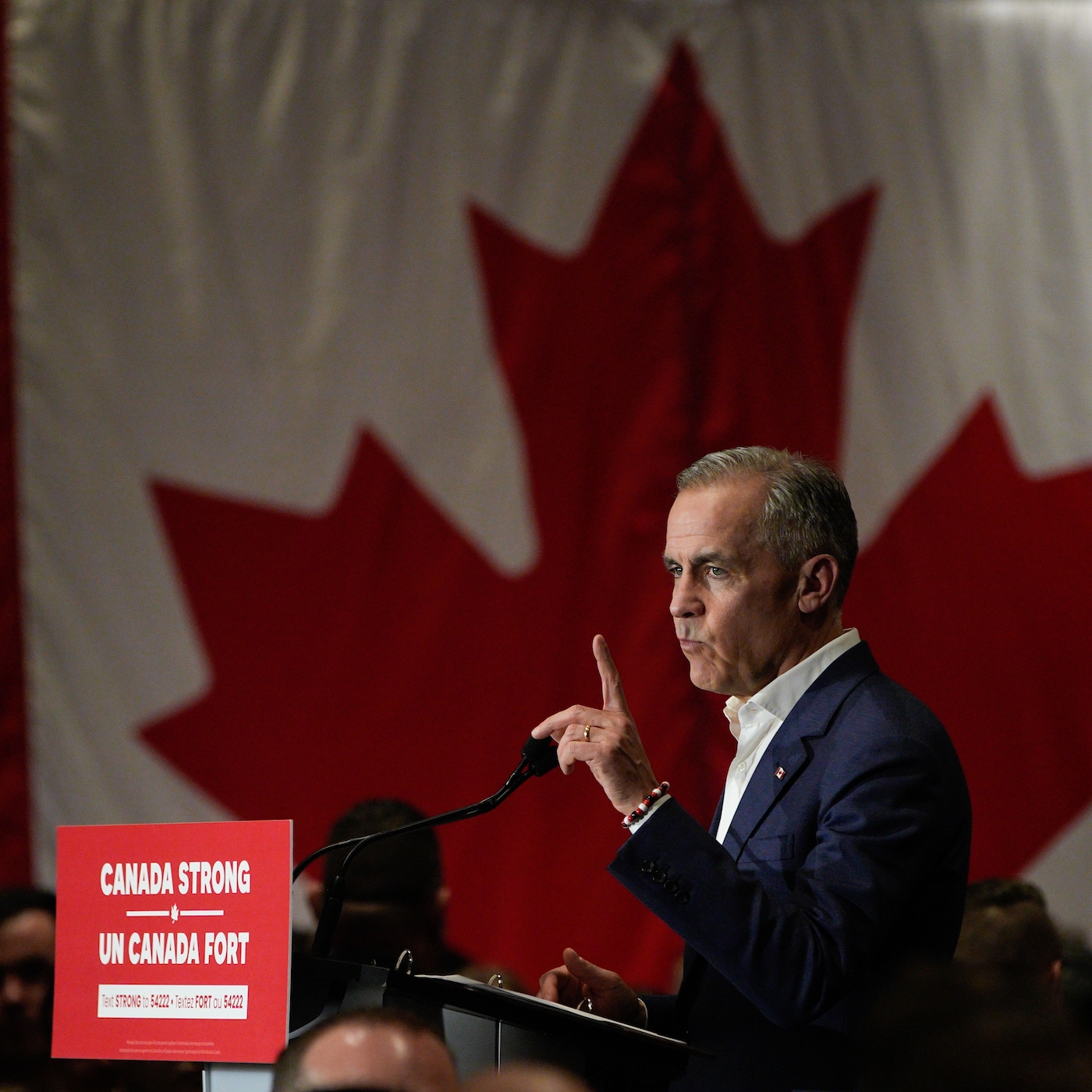
Overview of Trump Launches Economic War On Canada & Iran
This episode of Left, Right and Center examines President Trump’s shift toward “economic warfare” on two fronts: sweeping new sanctions on Iran and an escalating tariff fight with Canada. The hosts debate whether these moves are strategic leverage or mostly political theater, and what they reveal about the limits of U.S. power in a more multipolar world. The conversation then turns to a separate but related issue of public surveillance: the growing backlash against Flock license-plate cameras. The episode closes with a heartfelt tribute to Dolly Parton and her broad cultural impact.
Iran: Sanctions, Strategy, and the Limits of U.S. Leverage
The first major topic is Trump’s promise to “strangle and isolate” Iran’s economy with new sanctions, framed by Treasury Secretary Scott Bessent as an “economic D-Day.”
Main debate points
- Oren Kass argues the sanctions may hurt Iran, but are unlikely to produce the outcome Trump wants because:
- The U.S. entered the conflict without clear objectives.
- Washington may be unable to compel Iran to change course now.
- The administration appears unclear whether its goal is reopening the Strait, stopping the nuclear program, or regime change.
- Mo Alethe says Iran has long been able to absorb sanctions and wait out pressure.
- He views the strategy as a “spaghetti strategy” — throwing everything at the wall after a failed war effort.
- He stresses that China is the key variable, since most of Iran’s oil exports go there.
Broader takeaway
Both guests agree that the episode exposes a larger reality: the U.S. can still cause pain, but it can no longer assume it can dictate outcomes everywhere in the world.
Canada: Tariffs, Trade, and China as the Real Target
The second major issue is the breakdown in trade talks with Canada and the resulting tariff escalation, with duties reportedly reaching up to 50% in some categories.
Oren Kass’s view
Kass frames the Canada conflict as part of a larger effort to build a U.S.-led economic bloc that excludes Chinese distortions.
- He argues that Canada should not be allowed to be a “back door” for subsidized Chinese goods.
- He sees tariffs as a bargaining tool to push allies into alignment against China.
- He believes the cost to Canada is far greater than the cost to the U.S.
Mo Alethe’s rebuttal
Alethe argues the administration’s trade approach is too chaotic and too broad.
- He says Trump’s tariff policy has made the U.S. look unreliable to allies.
- He argues that tariffs on goods like aluminum, fertilizer, and electricity can directly harm American consumers, farmers, and manufacturers.
- He says the strategy should be more targeted and negotiated, not a broad trade war.
Key point of disagreement
- Kass: tariffs can be a useful way to force alignment in a new geopolitical order.
- Alethe: tariffs are only useful if they are strategic, consistent, and paired with real diplomacy.
U.S. Power in a Multipolar World
A major thread running through the episode is the idea that America is no longer the unchallenged global superpower.
Shared themes
- The U.S. still needs allies, but not in the old “America decides, everyone follows” model.
- Both guests agree that unilateral muscle-flexing is less effective than it used to be.
- Kass argues the world is now divided into economic and political spheres, with the U.S. needing to build a durable bloc opposed to China.
- Alethe agrees that alliances matter, but believes Trump has undermined U.S. credibility by alienating partners.
Flock Cameras and the Privacy Backlash
The episode then pivots to Flock license-plate cameras and the larger controversy around surveillance technology.
What Flock cameras are
- Cameras placed in public spaces that scan and log license plates.
- Law enforcement uses them for stolen vehicles, missing persons, and crime investigation.
Why they’re controversial
Both guests express concern about the technology:
- Privacy risks: constant, involuntary surveillance of public life.
- Abuse cases: examples were cited of officers misusing the system to track spouses or other private targets.
- False positives: the system can incorrectly flag innocent drivers.
- Civil liberties concerns: fear that the data could be used by federal agencies like ICE.
Political significance
The hosts note that the backlash is bipartisan:
- Republicans and Democrats alike are raising objections.
- The issue is becoming a campaign topic in local and national politics.
- The broader concern is not just Flock, but the rapid rollout of surveillance and AI-powered monitoring before society has debated the consequences.
Closing Tribute to Dolly Parton
The episode ends with a moving remembrance of Dolly Parton, presented as an example of a public figure who transcended political divides.
Why she mattered
- She appealed across ideological lines.
- She was admired for her warmth, humor, and authenticity.
- The hosts reflect on her ability to be both highly constructed as a performer and deeply genuine in her artistry.
Final sentiment
The tribute emphasizes:
- Her cultural reach in music, film, and public life.
- Her discomfort with polarization.
- Her ability to connect with people as a “good old friend” to the American public.
Key Takeaways
- Trump’s sanctions on Iran and tariffs on Canada are presented as part of a broader “economic war” strategy.
- The guests disagree on whether these moves are effective, but both see them as signs of a shifting global order.
- China is the central geopolitical factor in both the Iran and Canada discussions.
- Flock cameras have become a symbol of how surveillance technology is outpacing public consent and policy guardrails.
- The episode closes on a unifying note with a tribute to Dolly Parton’s cross-partisan legacy.