Overview of The Gerrymandering Rush Is Leaving Voters In the Dust
This Left, Right, and Center episode tackles two big themes: the erosion of democratic norms through aggressive redistricting, and whether the U.S. is prepared for the next public health crisis after COVID. The panel also digs into the political fight over junk food regulation, answers listener questions about being an independent voter and expanding the House, and closes with lighthearted rants about cats and airline seat comfort.
Gerrymandering, Redistricting, and Voter Confusion
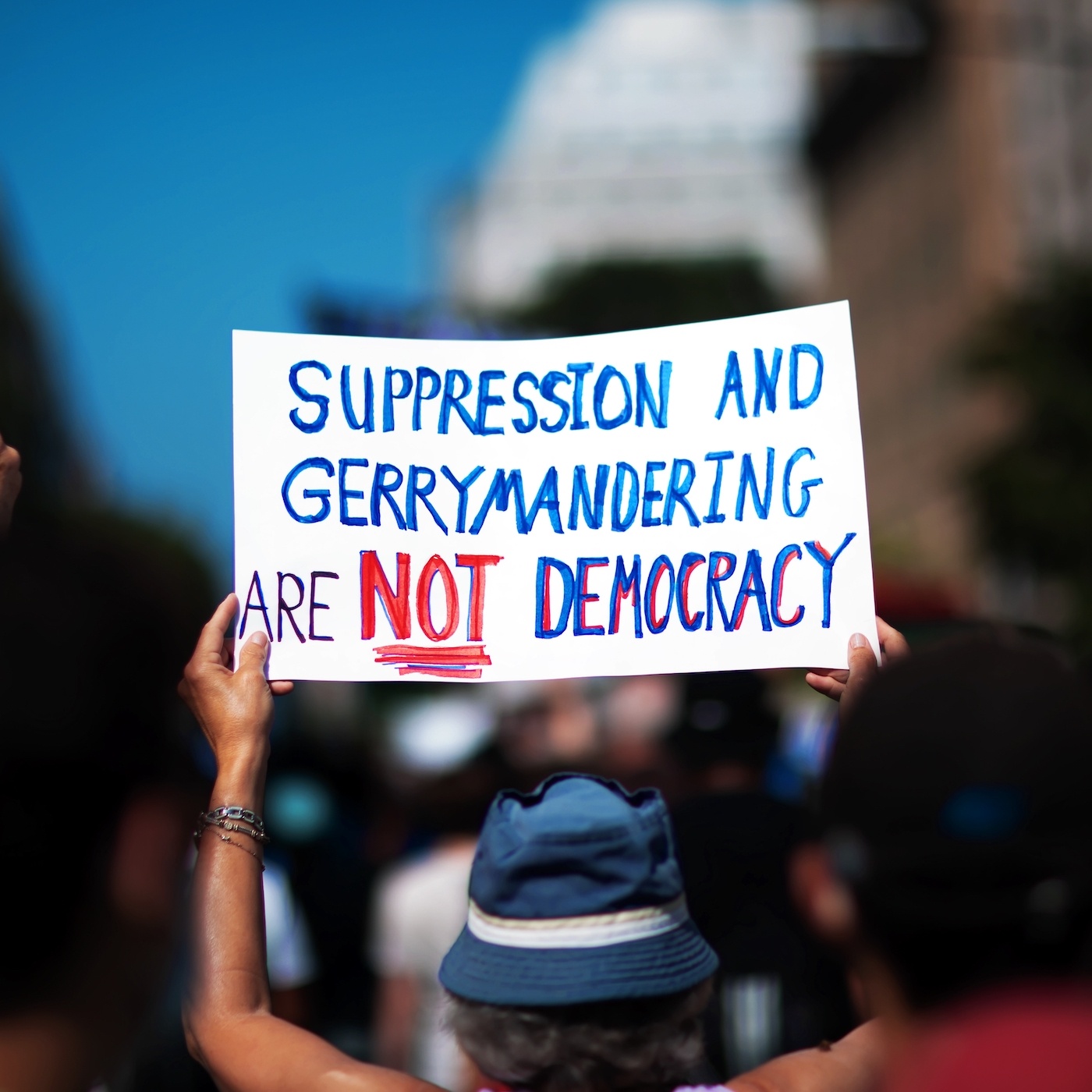
The first major segment focuses on the nationwide rush to redraw congressional maps after the Supreme Court’s ruling that Louisiana’s racial districting plan violated how the Voting Rights Act had been applied.
Main points
- States are redrawing maps late in the election cycle, leaving voters unsure of their districts and candidates.
- Louisiana, Alabama, Tennessee, and Missouri are among the states adjusting maps, often after court rulings or legal pressure.
- The panel agrees this creates a race to the bottom, even if they differ on blame:
- Liz Bruenig argues gerrymandering makes the House less responsive to voters and can function as a form of procedural voter suppression.
- Sarah Isgur argues there are no “good guys” here; both parties exploit gerrymandering when they can, and the real issue is the incentive structure of politics.
Supreme Court and the “Purcell principle”
- The discussion also gets into the Purcell principle, the idea that courts shouldn’t make election-related changes too close to an election.
- Sarah argues the Court applied the law correctly in the Alabama case, even if the outcome is bad policy.
- Liz pushes back, saying the Court is not acting as a neutral referee and is effectively allowing unconstitutional maps to stand.
Core takeaway
Gerrymandering is portrayed as a structural democratic problem, not just a partisan one. Both guests worry it weakens voter power and fuels cynicism and disengagement.
Public Health, Hantavirus, and the Post-COVID Trust Problem
The second major conversation asks whether the U.S. is ready for another public health emergency after the trauma of COVID-19, using a recent hantavirus scare as the example.
Main points
- The World Health Organization says hantavirus is low risk to the public and does not spread easily person-to-person.
- The panel agrees it is not another COVID-style global threat, but it is still a test of public health readiness.
- Liz says a good response requires transparency and calm, but worries the U.S. may not be capable of strong containment.
- Sarah argues that public health has lost trust because experts were perceived as politicized and inconsistent during COVID.
COVID’s legacy
- Liz says COVID led to a more libertarian backlash against public health, contributing to lower vaccination rates.
- Sarah argues the real issue was loss of trust, citing contradictions like:
- rules about masks and gathering,
- uneven enforcement,
- and political pressure on scientific debate.
- Both agree the fallout has been serious, including declining childhood vaccination rates and renewed outbreaks of preventable disease.
Key tension
The panel wrestles with the balance between:
- individual liberty, and
- public health measures that may require coercive or collective action.
They agree the U.S. is structurally less able than some countries to impose the kind of sweeping quarantine measures used elsewhere.
Junk Food Politics and the MAHA Movement
The episode then turns to the food lobby and RFK Jr.’s “Make America Healthy Again” agenda.
Main points
- Politico reports that the food and beverage industry has spent heavily on lobbying to resist reform.
- The MAHA movement wants to:
- restrict unhealthy food purchases in assistance programs,
- ban some food dyes,
- and push schools toward healthier options.
- Congress, according to the panel, has largely shrugged.
What the guests said
- Sarah describes herself as a former “crunchy con,” but says MAHA is still a fringe coalition trying to gain traction inside the GOP.
- Liz says there is some real value in challenging the influence of big ag and big food, especially around subsidies and processed ingredients.
- But she also warns MAHA comes with baggage, especially around anti-vaccine views and raw milk advocacy.
Takeaway
There may be room for bipartisan concern about diet and chronic disease, but the movement is politically messy and tied to broader anti-establishment health politics.
Listener Q&A: Being an Independent Voter
A listener named Jack, an 18-year-old first-time voter, asks whether being a registered independent means he is “throwing his vote away.”
Advice from the panel
- Sarah says Jack is not wasting his vote if he supports the candidate he genuinely wants.
- Liz says votes are expressive and independents send important signals to the parties.
- Sarah adds a practical note: if Jack lives in a closed primary state, he may need to register with a party to vote in primaries even if he remains independent in spirit.
Broader message
The panel encourages Jack not to feel forced into binary identity politics. Being independent can be a principled stance and, in some elections, a powerful one.
Listener Q&A: Should Congress Be Bigger?
Another listener asks about expanding the House beyond 435 members.
Main points
- Sarah argues there is a strong case that the 1929 law fixing the House at 435 may be constitutionally shaky.
- Expanding the House could improve representation by reducing the number of constituents per member.
- The practical obstacle is logistical: the chamber would need to physically accommodate more members.
- Sarah favors incremental reform but says this “fence” may be worth taking down.
Rants and Raves
The episode ends with lighter personal takes:
Liz’s rave
- A tribute to cats as natural rodent control and historical allies against pests.
- She jokes that cats are the true frontline defenders against hantavirus-carrying rodents.
Sarah’s rave
- A shoutout to her COVID-era mom pod, which turned into a lasting community of new mothers meeting monthly without kids.
David’s comment
- He reacts to a proposed United Airlines “Relax Row” concept, expressing anxiety about plane seating and whether he’ll end up with a seatmate.
Bottom Line
This episode argues that America is navigating multiple intertwined crises:
- a democracy increasingly distorted by redistricting,
- a public health system still struggling to regain trust after COVID,
- and a political culture where major reforms are constantly pulled into partisan warfare.
At the same time, the show keeps returning to a central theme: good-faith civic dialogue still matters, even when the system feels rigged.