Overview of Midterm Countdown: Voter Fraud Arrests & Senate Battlegrounds
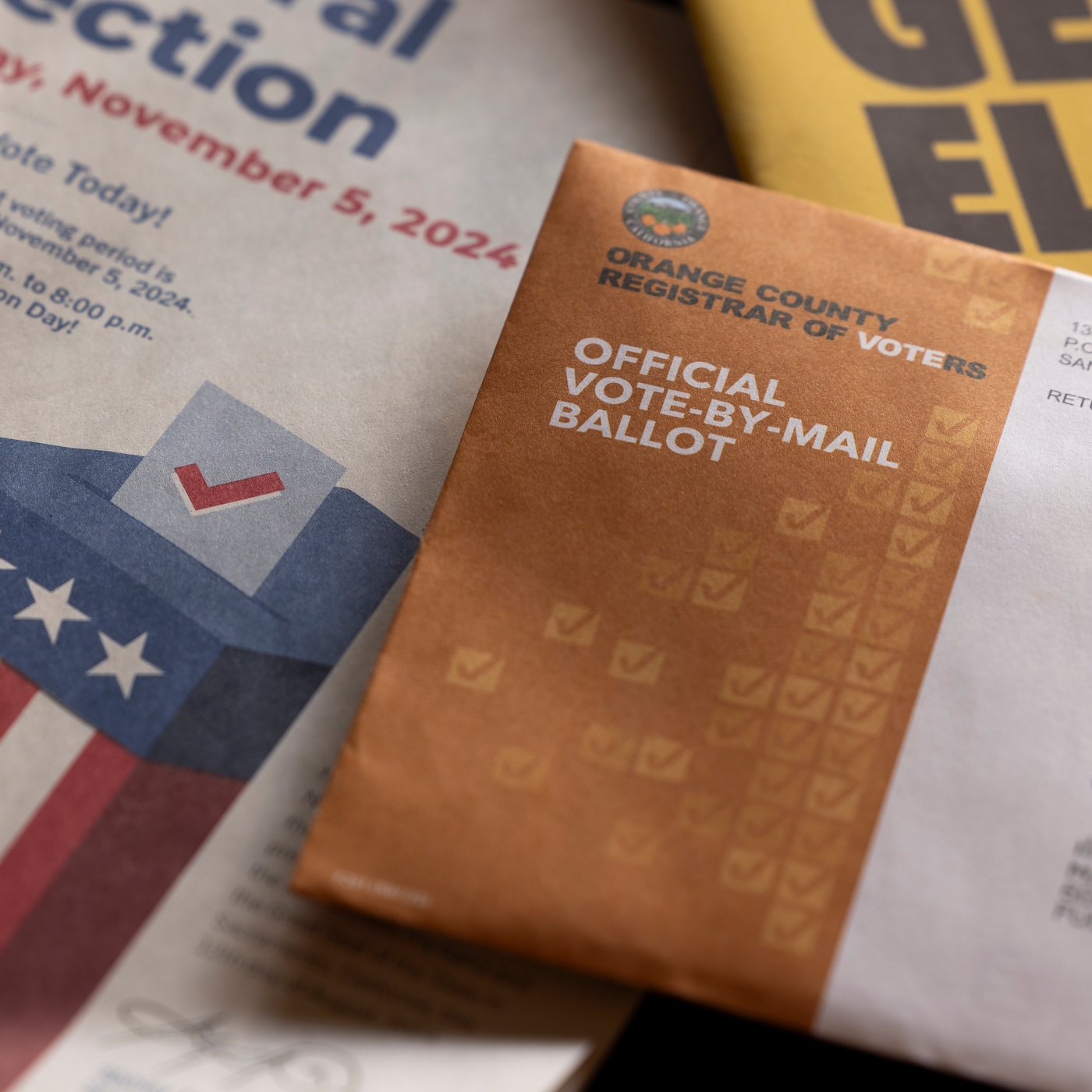
This episode of Left, Right and Center focuses on two big themes ahead of the midterms: election security and the Senate battlefield. The panel debates the Justice Department’s high-profile voter fraud arrests in California, whether those actions protect election integrity or fuel distrust, and how much isolated fraud actually matters. The conversation then shifts to the Senate map, with a strong focus on Texas and other key states, plus how candidate quality, identity politics, and negative ads could shape both the 2026 midterms and the broader road to 2028.
Voting Security, Fraud Claims, and the DOJ Sweep
The core disagreement
- The panel agrees that non-citizens should not vote and that fraud should be prosecuted.
- They sharply disagree on how the Trump administration is framing the issue:
- Sarah Isgur argues voter fraud is real, but small, and that prevention should happen through boring, structural reforms.
- Mo says the administration is using selective enforcement and flashy raids to undermine trust and make a political point.
The California arrests
- The DOJ announced arrests of 28 people in California over alleged voter fraud.
- Critics noted that this is a tiny number relative to California’s voter population and does not prove widespread abuse.
- The panel noted that the administration has made broad claims about non-citizen voting and mail-in ballot problems without strong evidence of systemic fraud.
The Carter-Baker Commission came up repeatedly
Sarah leaned heavily on the 2005 Carter-Baker Commission as a blueprint for election security:
- Absentee ballots are the biggest source of potential fraud.
- Non-citizen registration has been a known issue for years.
- Better prevention includes:
- stronger voter-roll maintenance,
- citizenship markers on ID where possible,
- banning ballot harvesting,
- and counting ballots earlier so results don’t drag on for days.
Shared takeaway
- The system is messy, but that messiness is also part of what makes it secure.
- The bigger danger, in their view, is not small-scale fraud itself but claims that erode public confidence in elections.
The Midterm Senate Map
Texas as the key bellwether
The panel spent a lot of time on Texas, especially the Paxton-Tallarico race and what it might reveal about the broader electorate.
What they argued:
- A Democratic breakthrough in Texas would be a sign of a real wave election.
- Sarah described the moment as potentially a “storm surge” rather than a normal partisan shift.
- She argued Republicans are reading the race through other Texas numbers, especially the governor’s race:
- If Greg Abbott only wins narrowly, that could signal trouble for Republicans up and down the ballot.
- Mo agreed Texas matters as a test of whether Trump-era gains with Hispanic voters were a realignment or just a blip.
Other states worth watching
Mo pointed to:
- Iowa
- Kansas
- Ohio
He said Democrats are:
- overperforming in several polls,
- gaining with younger voters,
- improving with minority voters,
- and even narrowing the gap with some rural voters.
That matters because:
- if Democrats are improving in rural areas, it suggests Trump’s tariffs, foreign policy, and cost-of-living effects may be hurting Republicans more than expected.
Big-picture read
- Both panelists think the election is being shaped by:
- cost of living
- corruption/grift
- anti-Trump sentiment
- They agreed Democrats have been unusually disciplined in connecting everything back to those two issues.
Candidate Quality, Identity Politics, and Negative Ads
Michigan: Abdul El-Sayed
The episode highlighted a tense exchange at a Michigan town hall where a voter pressed Democrat Abdul El-Sayed to disavow the Muslim Brotherhood.
Panel reaction:
- Mo said the question was rooted in religious bigotry and echoing Trump’s attacks on El-Sayed’s faith and family background.
- But he also said El-Sayed’s response came off as condescending and could have been handled better.
- Sarah argued El-Sayed is simply a weaker candidate than Democrats should have in Michigan, which helps explain how that race got so close.
Ohio: Vivek Ramaswamy’s attack ad on Amy Acton
The panel also discussed a controversial ad from Vivek Ramaswamy attacking Democrat Amy Acton by featuring her estranged mother.
What they said:
- The ad crossed a moral line for both panelists.
- It exploited Acton’s abusive family history in a way that felt especially cruel.
- Sarah said it was politically risky because it came too late for Acton to be unable to respond.
- Mo argued that if the ad was intended to help Ramaswamy, it may backfire badly.
- They both noted the ad drew criticism from some Republicans, though J.D. Vance defended it.
What This Means for 2028
Republicans
Sarah said Republicans are in a bind:
- Donald Trump will become a lame duck after the election.
- But they can’t simply run away from him, because he still commands a base.
- She also argued that the 2028 GOP field could be shaped by whether there are:
- many candidates splintering the anti-Trump vote,
- or just a few, which would favor figures like J.D. Vance.
Democrats
Mo argued the midterms may settle an internal Democratic debate:
- persuasion vs. mobilization
- His view: Democrats need both.
- He said the race will show whether Democrats can:
- energize the base,
- and win back independents/suburban voters.
The deeper question
- Is Trump’s coalition with Hispanic, young, and some working-class voters a durable realignment?
- Or was 2024 just a temporary blip?
- The panel thinks these midterms may answer that.
Notable Closing Moments
The episode ended with the show’s usual lighter “rants and raves” segment:
- Trump’s odd praise of John Husted’s body and “ass” became a punchline.
- Mo raved about Halloween season and the neighborhood joy it brings.
- Sarah raved about breakfast tacos and joked about Texas weather ruining her pumpkins.
Bottom Line
- The episode argues that election integrity is real but usually manageable, and that the bigger danger is political actors turning isolated issues into broader distrust.
- On the midterms, the panel sees signs of a possible Democratic wave, driven by cost of living, corruption, and Trump fatigue.
- Texas, Iowa, Kansas, Ohio, and Michigan are all treated as important testing grounds for what kind of coalition will define the next election cycle.