Overview of Left, Right & Center — "Will changes to ICE operations in Minneapolis be enough?"
This episode of Left, Right & Center (KCRW) examines the federal immigration-enforcement deployment to Minneapolis after two people were killed during confrontations with federal agents. Host David Greene moderates a debate between Mo Aelithi (left) and Will Swaim (right) about whether recent changes in tone and staffing from the Trump administration—most notably the dispatch of Tom Homan, the administration’s immigration adviser—signal a meaningful shift in policy or are merely rhetorical. The conversation covers the immediate facts and fallout, competing interpretations of the mission and tactics, the roles of local cooperation and legal constraints, implications for executive power and Congress, and how the episode affects U.S. credibility abroad.
Key takeaways
- Two deaths during clashes with federal immigration agents in Minneapolis (named in the transcript as Renée Good and Alex Preddy) have intensified scrutiny of ICE and Border Patrol tactics and triggered an intra‑administration recalibration in public messaging.
- Tom Homan’s arrival and his call to focus on convicted violent criminals and to de‑escalate is being read as a more measured posture, but commentators disagree on whether that reflects a real operational change or just public relations.
- Major fault lines:
- Critics say ICE’s previous sweeps were indiscriminate—stopping residents and detaining children—and damaged trust with local communities.
- Supporters worry that local officials’ refusal to cooperate limits lawful enforcement and that some protesters were intentionally disruptive.
- Political consequences are uncertain but already visible: polling shows erosion of support among independents and some Republicans; Congress, courts, and public mobilization are the possible checks on executive action.
- International reputational damage: other countries and allies are noticing (example cited: Italian concern about ICE agents at the Milan Olympics), affecting U.S. moral and diplomatic standing.
Background & timeline (as discussed)
- Two fatal shootings occurred during demonstrations/encounters with federal immigration agents in Minneapolis; video circulated widely and intensified public reaction.
- Initial administration response included aggressive rhetoric from some figures (e.g., Kristi Noem, Kash Patel). That tone drew criticism for factual inaccuracies and inflammatory language.
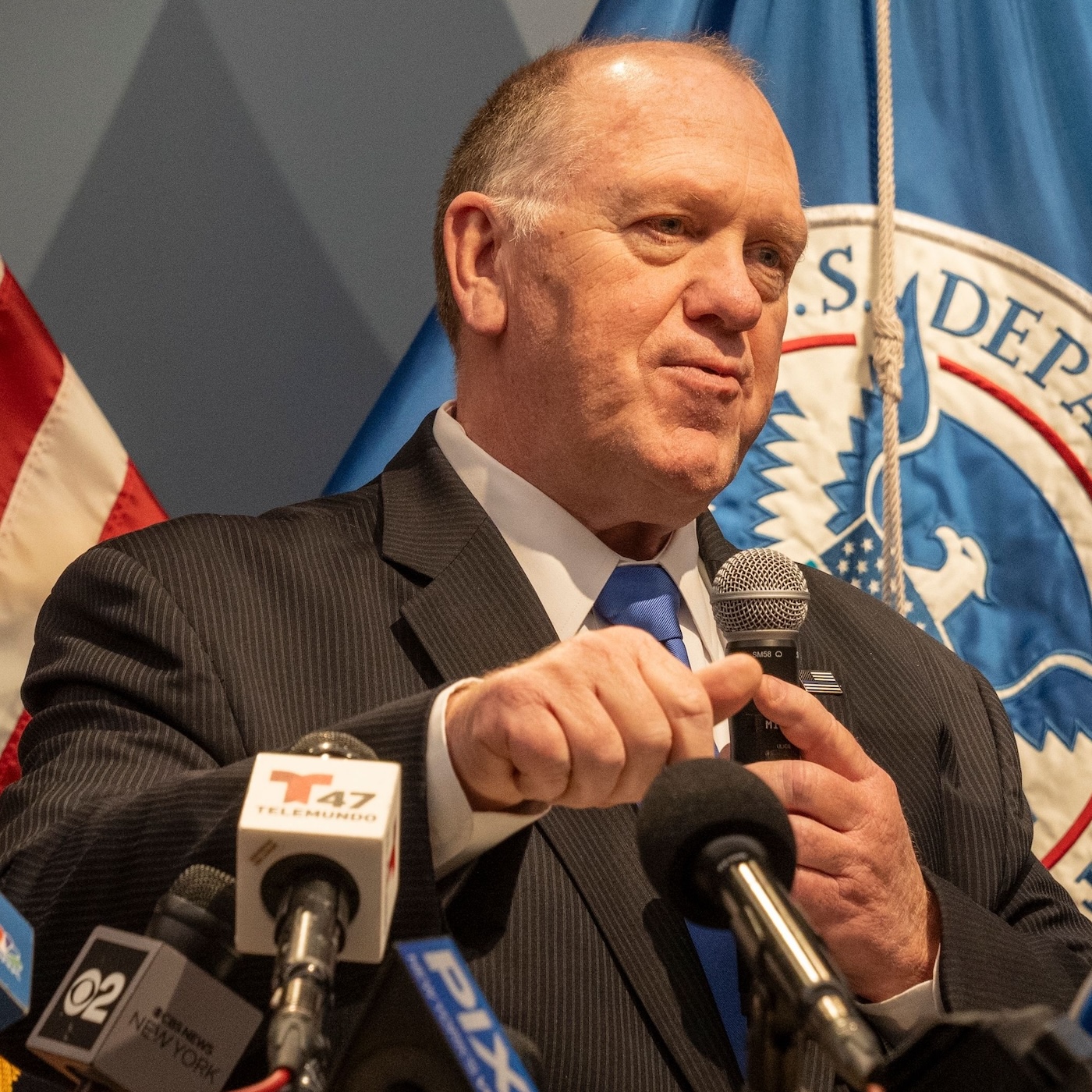
- Tom Homan, described on the show as a law‑enforcement veteran and the administration’s border adviser, was deployed and spoke about targeting dangerous, convicted criminals in jails and prisons and reducing broad street sweeps.
- Local-state dynamics: Most Minnesota counties reportedly cooperate with ICE on jail/prison access; Minneapolis’ county had longstanding non‑cooperation—cited reasons include legal liability when ICE errs. Coordination between federal and local police varied night‑to‑night and affected outcomes.
Panel positions — succinct
Mo Aelithi (left)
- Skeptical that rhetoric equals change; wants clarity about mission and operational limits.
- Argues the deployment appears broader than the stated goal and has produced indiscriminate stops and harassment of residents.
- Points out Minnesota largely does cooperate on jail access; non‑cooperation in Minneapolis is motivated by legal liability concerns given ICE mistakes.
- Views the episode as part of a longer erosion of moral/diplomatic power and as a catalyst for public mobilization and legal challenges.
Will Swaim (right)
- Welcomes Homan’s measured communication and frames him as a credible law‑enforcement voice compared with more political aides.
- Emphasizes that some protesters went beyond peaceful protest into organized disruption; distinguishes between protest and deliberate disruption that places people in danger.
- Argues the killing of a legally armed civilian (Alex Preddy, per transcript) alarmed conservatives and gun‑rights supporters; federal deployment into states raises constitutional unease among some conservatives.
- Suggests a faction of the administration (e.g., Stephen Miller) may be incentivized by escalation and confrontation.
Questions raised & wider implications
- Is Homan’s deployment and language a durable shift or a temporary PR pivot? Will personnel influence inside the administration (Homan vs. Noem/Miller/Patel) change policy?
- What is ICE’s clarified mission — narrow jail/prison removals of convicted violent offenders, or broad interior enforcement including street stops?
- How should local-state cooperation be managed? Legal liability and community trust are key barriers.
- What are the check mechanisms?
- Courts: litigation and judicial orders already in play (including a federal judge criticizing ICE).
- Congress: potential to curtail funding for DHS/ICE; historically Congress has ceded power but could act.
- The public: protests, voting, and constituent pressure can move elected officials.
- Internationally, visible use of federal enforcement in cities affects U.S. moral/diplomatic capital and how allies perceive American policing practices.
Notable quotes & framing lines
- Tom Homan (as quoted): “Certain improvements could and should be made.” — used to mark a change in tone.
- Will Swaim: The presence of federal agents in the states “makes a lot of constitutional conservatives…nervous.”
- Mo Aelithi: Without a clear, adjusted mission, “we’re going to continue to see this same kind of anger by the local residents.”
- Host David Green: The episode is an “inflection point” raising questions about tone, trust, and the balance between enforcement and civil liberties.
What to watch next (actionable items)
- Administration staffing and policy signals: Will Homan’s approach be sustained or overridden by more hard‑line advisers?
- Operational changes: whether ICE narrows activities to jails/prisons and reduces random street stops.
- Local cooperation developments: any new agreements on jail access, information sharing, or joint protocols to prevent chaotic encounters.
- Congressional action: possible funding fights over DHS/ICE or hearings and investigations.
- Court rulings challenging deployment methods and detention practices.
- Polling and electoral consequences among independents and Republican voters who express concern over federal tactics and civilian shootings.
- International reactions, especially where U.S. security personnel are slated to operate abroad.
Rants & raves (brief)
- Panelists closed with personal raves and rants: Will celebrated family/grandparent moments; Mo criticized renewed efforts to relitigate the 2020 election and flagged concerns about federal control of state election records; David reflected on communal warmth amid harsh winter conditions.
Bottom line
The episode frames Minneapolis as a potential turning point: a tactical/tonal shift (Tom Homan’s message) exists, but credibility will depend on concrete changes to ICE operations, clearer mission definition, better local coordination, judicial scrutiny, congressional responses, and public reaction. The debate underscored deep partisan and philosophical divides about enforcement, civil liberties, and the proper role of federal forces inside U.S. cities — and suggested this moment may have broader political and international consequences.