Overview of Congress takes up ICE reforms, Trump calls to “nationalize” voting
This episode of KCRW’s Left, Right & Center (host David Green, with Mo Elleithee and Sarah Isger) examines two parallel political fights: Congress using DHS appropriations as leverage to force reforms at ICE after controversial immigration enforcement actions, and President Trump’s recent calls to “nationalize” voting — plus the broader political and legal stakes heading into the 2026 midterms.
Key topics covered
- The appropriations fight: 11 of 12 spending bills passed; Democrats are withholding or conditioning the DHS (Department of Homeland Security) spending bill to demand ICE reforms.
- Specific reform proposals Democrats are pushing (a 10-point list): body cameras, identifiable uniforms/IDs, limits on masks, use-of-force rules, independent investigations, limits on mass sweeps, and a judicial-warrant requirement for home entries.
- Fourth Amendment and immigration law basics: the legal difference between criminal warrants and administrative warrants used in immigration enforcement; immigration as a civil process with different procedural protections.
- Political dynamics: why Congress is using the “power of the purse” instead of statutory reform, electoral incentives, messaging vs. legislative action, and how special elections signal voter reactions.
- Trump’s comments about “nationalizing” voting: constitutional and practical issues, federal vs state roles, and harms from undermining election administrators.
- Bipartisan reform options: revisiting the Carter–Baker Commission (2005) recommendations as a model for mutually acceptable fixes to election administration.
ICE / DHS appropriations — what’s at stake
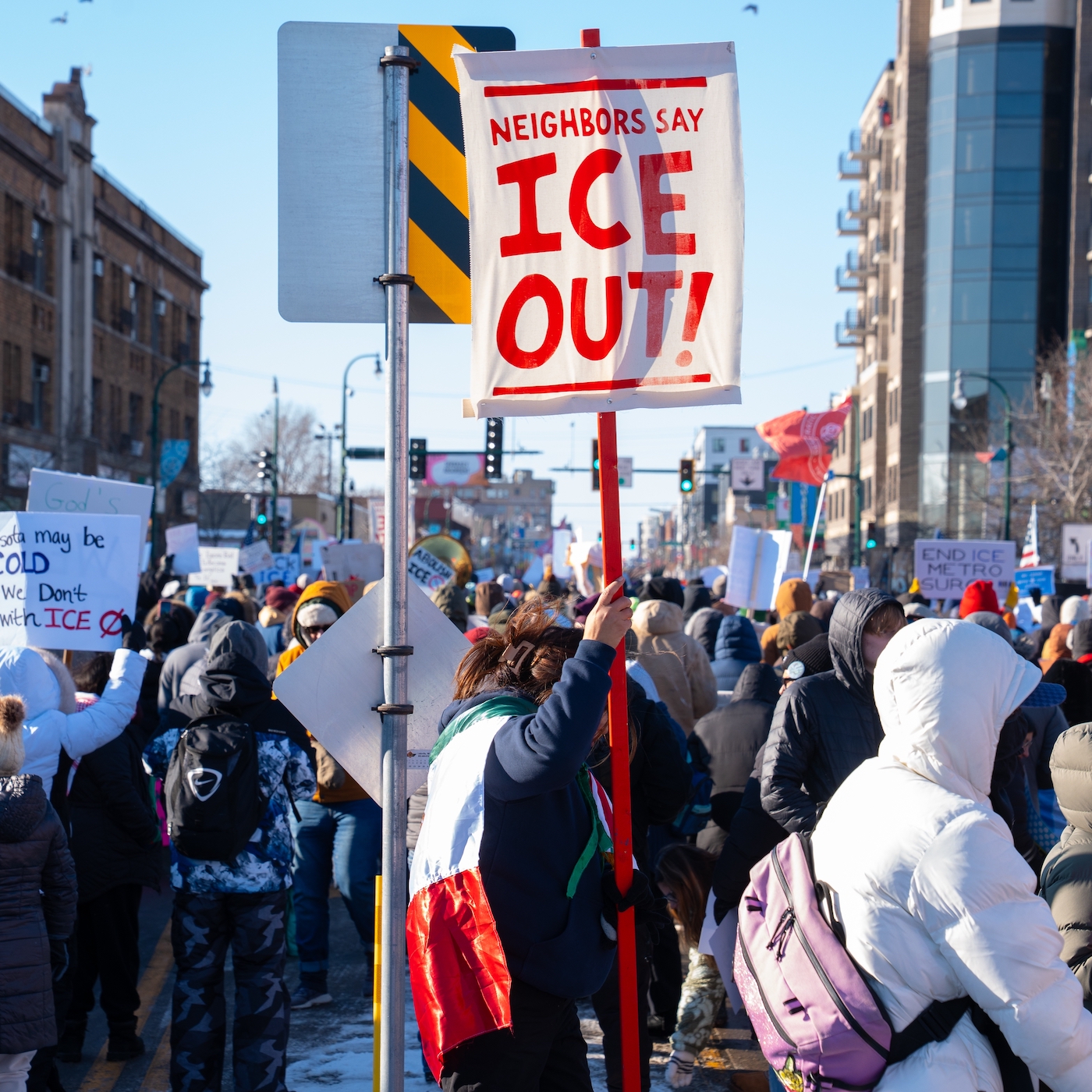
- Context: Lawmakers passed 11 appropriations bills; the DHS bill (which funds ICE, CBP, FEMA, TSA, Coast Guard, Secret Service, cybersecurity, etc.) is the focal point for demands to change ICE tactics after high-profile incidents (e.g., Minneapolis).
- Democratic goals: push reforms to make immigration enforcement more targeted, transparent, and accountable. Some items already gaining traction (like body cameras); others face GOP resistance.
- Practical reform examples discussed:
- Requiring judicial warrants to enter private homes.
- Mandating body cameras, uniforms, and visible IDs.
- Banning mask-wearing by agents.
- Clear use-of-force standards and independent investigations.
- Targeted operations rather than large interior sweeps; verifying citizenship before detention.
- Why appropriations? Panelists argue Congress can use funding levers to shape tactics quickly, even if rewriting immigration law would be a deeper fix — but politics make comprehensive statutory reform difficult right now.
Legal framing: warrants, civil vs. criminal, and remedies
- Fourth Amendment basics: criminal searches/seizures typically require a neutral Article III judge to approve a warrant based on probable cause.
- Immigration enforcement is generally a civil process (deportation is treated as civil under current law), so administrative warrants and immigration-branch judges (executive branch) often govern enforcement actions.
- The law is murky: precedents suggest limits on administrative entries into homes, and federal litigation is likely. Congress could change the law to require judicial warrants.
- Remedies are limited: even where an entry is later deemed unlawful, practical remedies for affected immigrants (who may still be detained or deported) are often inadequate.
Politics and incentives
- Messaging vs. governing: candidates may prefer keeping controversy alive for campaign benefits; solving the problem can blunt political attacks, so both parties sometimes avoid durable solutions.
- Recent special elections: a large Democratic swing in one Texas special election and other results suggest heightened Democratic turnout and possible electoral costs for Republicans over perceived abuses — this can pressure lawmakers to act.
- Bipartisan bargaining is possible but hard: panelists recalled a pre-2024 compromise immigration deal that fizzled for political reasons; negotiating mutually valuable tradeoffs (e.g., border security funding in exchange for civil protections) is proposed as a solution, but electoral calculations often derail deals.
Trump’s “nationalize the voting” remarks and election administration
- The quote: President Trump suggested “The Republicans ought to nationalize the voting” and “take over the voting” in many places.
- Constitutional and practical issues:
- Running elections is primarily a state responsibility under the Constitution. The federal role is limited but important (cybersecurity support, information sharing, HHS/DHS support).
- Federalizing or partisan takeover of elections would be unprecedented and constitutionally fraught.
- Trump’s rhetoric has contributed to threats and harassment against local election officials, producing turnover and loss of institutional expertise (Issue One reported ~50% of top local election officials in 11 Western states left since 2020).
- Panel proposals: restore federal support for election security (cybersecurity, threat-sharing), and consider bipartisan reforms from the Carter–Baker Commission to rebuild public confidence.
Carter–Baker Commission: examples of practical reforms
- The 2005 bipartisan commission (Jimmy Carter / James Baker) offered 87 recommendations intended to improve both access and security.
- Sample bipartisan suggestions still relevant:
- Modernize voter registration (e.g., “register once” mechanisms).
- Clarify and standardize absentee/mail voting and protect military voters.
- Limit or regulate ballot collection (“ballot harvesting”) in ways both parties can accept.
- Voter ID and other commonsense procedural fixes that can be packaged as mutual gains.
- Panelists see value in reviving bipartisan technical fixes rather than weaponizing reform for partisan advantage.
Notable quotes
- House Speaker Mike Johnson: “Our majority worked together and we got the bills over the line” (on passing 11 of 12 appropriations bills).
- House Minority Leader Hakeem Jeffries (paraphrase): “ICE is completely and totally out of control… dramatic changes are necessary.”
- President Trump: “The Republicans ought to nationalize the voting. The Republicans should… take over the voting.”
Main takeaways
- Congress is using the DHS appropriations bill as a leverage point for immediate reforms to ICE tactics because comprehensive immigration law reform is politically difficult.
- Key legal issues (warrants, administrative vs. judicial authority, civil/criminal distinctions) are complicated and contested; Congress could change the statutory framework but has not yet done so.
- Political incentives — both electoral pressures from special elections and campaign messaging benefits — shape whether lawmakers pursue real legislative solutions or primarily symbolic actions.
- Trump’s proposal to “nationalize” voting raises constitutional alarms and compounds a real, ongoing problem: erosion of election-administration capacity and trust driven by threats and politicized rhetoric.
- Bipartisan, technical reforms (e.g., Carter–Baker recommendations) and restored federal election-security support are practical steps that could help stabilize administration and public confidence — if both parties prioritize governance over short-term political advantage.
Actions & further resources
- For policymakers: pursue targeted statutory changes (e.g., warrant requirements for home entries), restore federal election-security programs, and negotiate bipartisan tradeoffs that make reform politically sustainable.
- For listeners wanting to engage: the show promotes its Substack community (KCRWLRC) for discussion and links to journalism that informed the episode.
- Background reading/viewing: the Carter–Baker Commission report (2005) and Issue One research on local election official turnover are good starting points for deeper context.