Overview of Left, Right & Center on Lawmaker Health Privacy, ICE Enforcement, and Bipartisan Housing Legislation
This episode of KCRW’s Left, Right & Center focused on three major political flashpoints: how much transparency lawmakers owe the public about their health, whether the Trump administration’s quieter ICE enforcement strategy is politically working, and what it means that Congress actually passed a bipartisan housing affordability bill. Throughout, host Mike Madrid and guests Sarah Isgur and Liz Bruenig returned to a common theme: voters are frustrated with institutional opacity, but the two parties are still struggling to offer clear, credible alternatives.
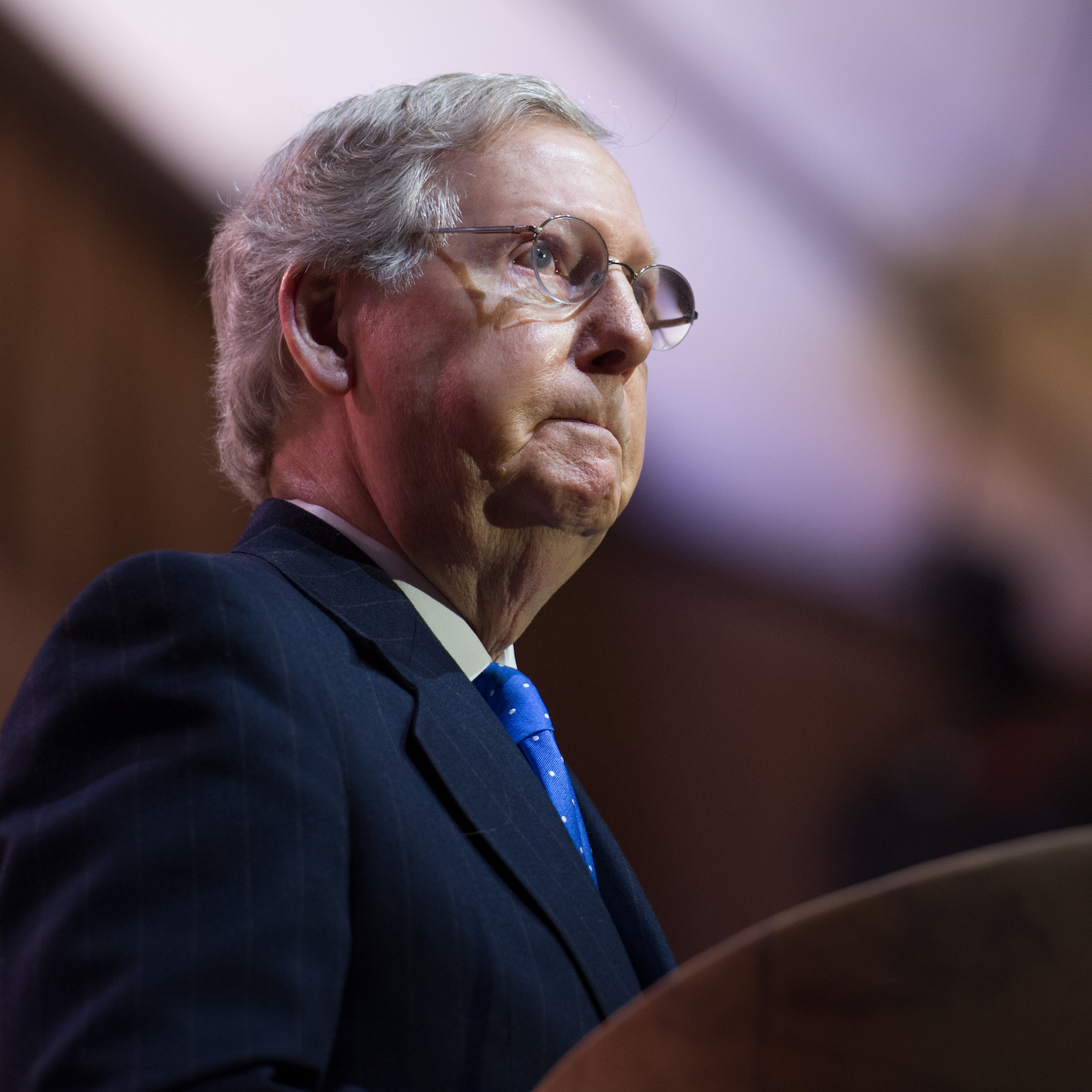
Lawmakers’ Health: Privacy vs. Public Accountability
The first segment examined whether elected officials owe constituents information about serious health issues that affect their ability to govern.
Core disagreement
- Sarah Isgur argued that politicians do not owe voters detailed health disclosures by default.
- Her view: lawmakers may choose privacy, but voters are free to judge them and vote them out.
- She emphasized that disclosure is a political choice, not an ethical requirement.
- Liz Bruenig argued that lawmakers in a representative democracy owe the public some transparency about serious health issues.
- She distinguished between minor illnesses and major conditions that affect performance.
- She said hiding decline creates distrust and undermines democratic accountability.
Key examples discussed
- Mitch McConnell’s extended absence and the confusion it caused.
- Joe Biden’s health concerns and how Democrats handled them before the 2024 election.
- Dianne Feinstein as another example of a long decline that staff and party leaders allegedly obscured.
Main takeaway
The panel agreed that lawmakers’ health becomes a public issue when it interferes with governing, but they disagreed sharply on whether that creates a moral duty to disclose details. The bigger concern, both implied, is that parties often protect incumbents too long and leave voters in the dark.
ICE, Immigration Enforcement, and the Politics of “Quiet” Crackdowns
The second major topic was the Trump administration’s immigration enforcement strategy, which shifted from high-profile raids to a lower-visibility approach that still reportedly increased arrests.
What changed
- ICE moved toward smaller, quieter operations instead of highly visible sweeps.
- The administration claimed this increased arrests to around 2,000 per day.
- That strategy was disrupted politically after fatal ICE shootings in Houston and Maine.
Sarah Isgur’s view
- Trump voters wanted serious, competent immigration enforcement, not just dramatic optics.
- The administration has often failed at message discipline:
- It either overhypes enforcement theatrically or undercommunicates the results.
- Republicans need to show not only that they are enforcing the border, but that they are doing it effectively and transparently.
Liz Bruenig’s view
- ICE’s conduct is fundamentally abusive and often dangerous.
- She argued the agency has become a paramilitary-style force with poor training and too much power.
- She said the deaths associated with ICE are not anomalies but evidence of a deeper human rights problem.
Political implications for Democrats
- Democrats are split between:
- older or moderate members who want a law-and-order message, and
- younger or activist-aligned members who want to abolish ICE.
- That split leaves the party with a muddled message and makes it hard to capitalize politically on enforcement abuses.
- Sarah argued Democrats could win if they said:
- “We will enforce immigration laws, but competently and humanely.”
Political implications for Republicans
- Trump and his DHS leadership were portrayed as being at odds over tactics, including whether traffic stops should be part of enforcement.
- The panel noted that Latino voters, especially in places like Texas, appear to be moving back toward Democrats, which could have major long-term consequences for both parties.
The Bipartisan Housing Affordability Bill
The final policy segment covered a rare bipartisan success: a housing bill that passed Congress and became law despite the president not signing it.
Why it mattered
- The bill was presented as proof that Congress can still legislate when both parties want to act.
- Lawmakers from both sides framed it as a win for American families struggling with housing costs.
What the panel thought
- Sarah Isgur
- Saw the bill as a mix of practical governance and expanded federal power.
- Supported the idea of Congress doing its job, even if she would have voted against the bill.
- Warned that some provisions could unintentionally raise costs or expand bureaucracy.
- Liz Bruenig
- Called it a meaningful progressive win.
- Pointed to specific provisions she liked:
- limits on institutional investors buying single-family homes,
- repairs and safety grants for low-income homeowners,
- support for affordable housing and manufactured housing.
Bigger lesson
Both guests agreed that the most important takeaway is not the bill itself, but the fact that Congress is capable of bipartisan action when pressured. They argued voters should expect more of that, rather than assuming legislative failure is inevitable.
Broader Themes and Takeaways
1. Trust is the central problem
Across all three topics, the episode returned to one issue: public trust is eroding because institutions and parties withhold, spin, or obscure important information.
2. Voters still matter more than party elites
Sarah repeatedly argued that:
- voters already know a lot about candidates,
- they still elect them,
- and they should bear some responsibility for the outcomes.
Liz countered that parties and staff often exploit incumbency and obscure serious problems until it’s too late.
3. Congress can work — if forced to
The housing bill was used as evidence that:
- legislative compromise is still possible,
- but only when both sides are motivated,
- and voters keep pressure on them.
4. Both parties have message problems
- Republicans: enforcement-heavy immigration policy can lose legitimacy if it looks cruel, chaotic, or incompetent.
- Democrats: they risk alienating voters if they can’t decide whether they support enforcement, reform, or abolition.
Notable Lines of Argument
- Sarah Isgur: voters do not owe politicians their vote, and politicians do not automatically owe voters private medical details.
- Liz Bruenig: serious health decline in office should not be hidden, because it affects democratic representation.
- Sarah Isgur: immigration enforcement needs “message discipline” and competence, not just headlines.
- Liz Bruenig: ICE’s violence makes it impossible to treat the agency’s tactics as normal law enforcement.
- Both: Congress functioning at all should be treated as a success, not a given.
Bottom Line
This episode was less about one isolated policy fight than about a larger institutional question: how much honesty, competence, and accountability voters should expect from people who govern them. Whether the subject was senators’ health, immigration enforcement, or housing legislation, the panel kept circling back to the same conclusion — democracy depends on voters seeing enough of the truth to make meaningful choices.