Overview of Wicker, wicker, where art thou?
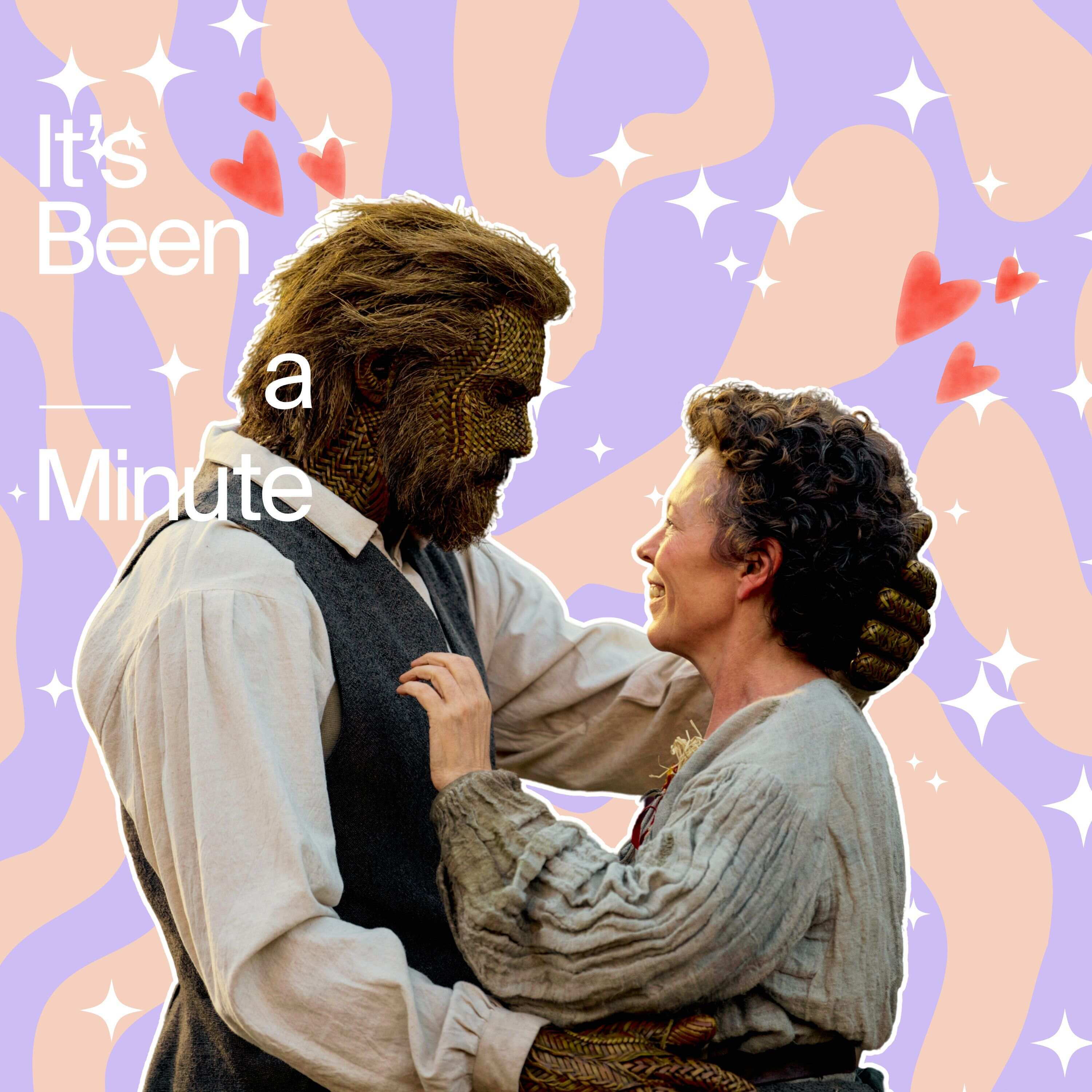
This episode of NPR’s It’s Been a Minute explores the surprising cultural buzz around Wicker—a new film starring Olivia Colman and Alexander Skarsgård, in which Colman’s character commissions a wicker man to be her husband. The conversation uses the movie as a launch point to discuss women’s interest in non-human romantic partners, the rise of strange-but-sexy films, and what these stories reveal about modern relationships, desire, and the limitations of conventional rom-coms.
Main Discussion Points
Why Wicker is resonating
- The hosts describe the film as both funny and deeply steamy, with strong “thirst” appeal.
- The premise—an ostracized fisherwoman marrying a wicker husband—sounds absurd, but the panel argues that it works as a provocative, emotionally legible fantasy.
- The movie is read less as pure fantasy and more as a lens on:
- loneliness
- relationship expectations
- social judgment
- women’s desire to define love on their own terms
Non-human partners in culture
The episode places Wicker within a broader trend of women being drawn to romantic or sexual narratives involving non-human beings or objects, including:
- The Shape of Water
- Titane
- Bear by Marian Engel
- romance novels involving minotaurs, krakens, sentient appliances, and other creatures
The hosts suggest this is not just novelty or comedy—it reflects a long-running fascination with desire outside traditional heterosexual norms.
Sex, weirdness, and cultural shifts
- The panel argues that current film and culture often treat sex as either absent or overly sanitized.
- In contrast, these “weird sexy” films make sex feel more imaginative, playful, and exploratory.
- The discussion suggests that women’s desire in media is increasingly being portrayed as:
- less polished
- less “respectable”
- more honest, strange, and fun
Broader Critique of Rom-Coms
Why modern rom-coms feel stale
The conversation turns to the state of the romantic comedy, which the guests describe as often:
- outdated
- overly heterosexual
- rigid in its gender roles
- emotionally flat or oddly regressive
They argue that traditional rom-com structures leave little room for:
- ambiguity
- sexual curiosity
- alternative relationship models
- genuine emotional complexity
Films doing it differently
The episode contrasts Wicker with other recent titles that blend sex, humor, and unconventional romance, such as:
- Pillion
- Babygirl
- I Want Your Sex
- Teenage Sex and Death at Camp Miasma
- Lars and the Real Girl (as an earlier example of taking unconventional desire seriously)
These films are praised for being visually inventive and more willing to engage with desire as something messy, funny, and personal.
Key Takeaways
- Women’s desire in film is getting weirder, and that may be a good thing.
- Non-human romance is not just a gimmick; it can expose dissatisfaction with conventional relationships and expectations.
- Modern rom-coms often feel too constrained to capture the actual complexity of contemporary intimacy.
- Social judgment matters: the film’s village community reflects how people police relationships that fall outside accepted norms.
- The wicker husband becomes a symbol of a relationship that is mutual, attentive, and emotionally functional—which is precisely why others react so strongly to it.
Notable Insights
- The guests note that many people are more comfortable mocking unusual desire than trying to understand it.
- They also point out that the wicker husband is treated by the village as threatening, not because the relationship is harmful, but because it challenges the accepted model of marriage.
- One of the strongest themes of the discussion is that people often prefer others to remain unhappy if that preserves the social order.
Bottom Line
The episode uses Wicker to examine how pop culture is reimagining romance, sex, and partnership. Through humor and cultural criticism, the hosts argue that strange, fantastical love stories are helping expose how limiting mainstream relationship narratives can be—and why audiences may be craving alternatives.