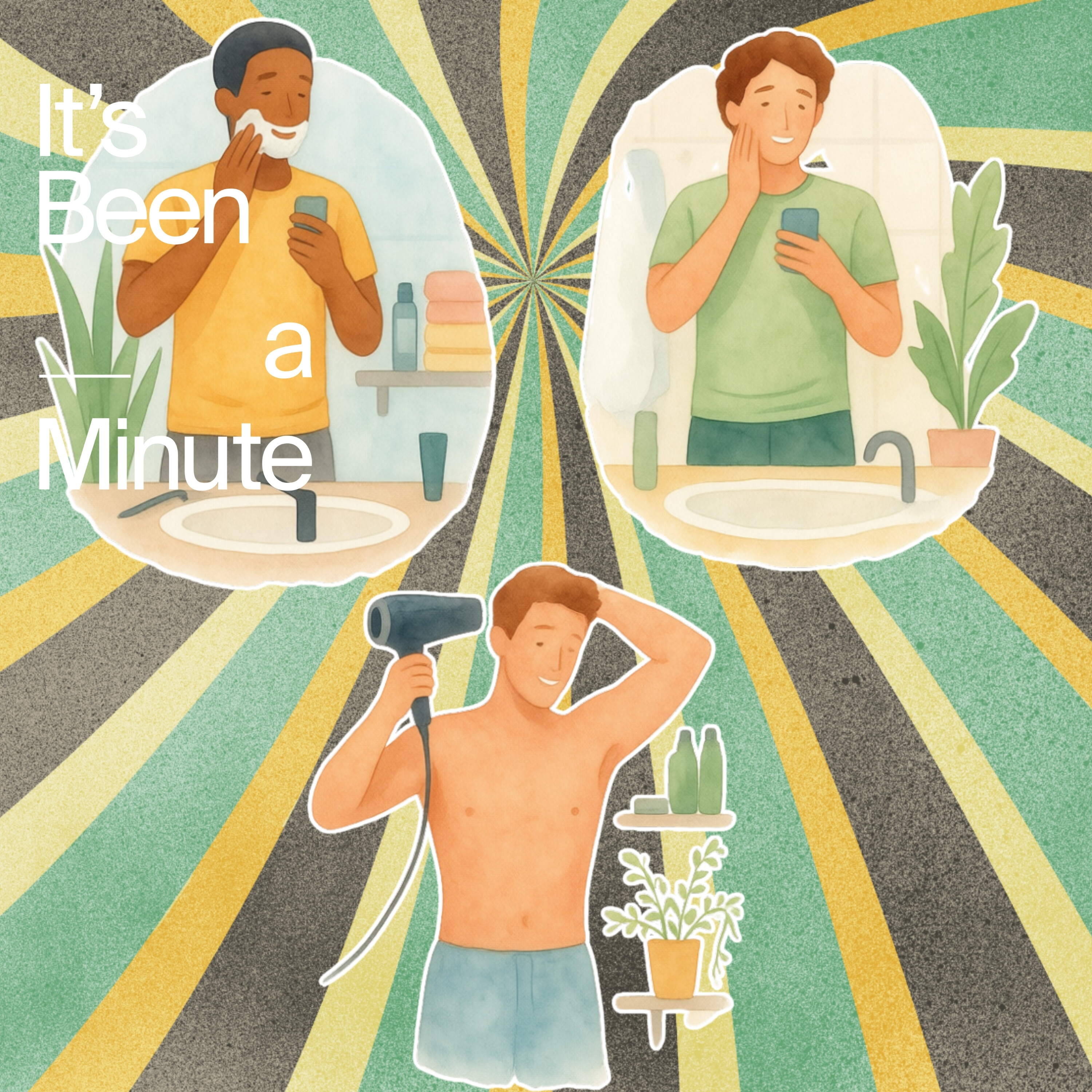
Overview of Where did all the “masculine men” go?
This NPR It’s Been a Minute episode examines the viral complaint that there are “no real men left” — often framed online as “who gonna be the boys?” The conversation traces the phrase back to rapper Kaya, then explores how it has been repurposed on social media to police men’s gender expression, especially among Black, queer, and straight dating communities. Brittany Luce speaks with journalist and culture critic Char Jossel and author George M. Johnson about how rigid ideas of masculinity are shaped by media, sports, institutions, and social media — and how those expectations can harm everyone.
Key Questions Explored
- Why has “who gonna be the boys?” become such a sticky online trope?
- What does it reveal about modern expectations of masculinity?
- How do women, queer communities, and institutions reinforce gender policing?
- What happens when people chase an idealized version of manhood that doesn’t exist?
Main Takeaways
The phrase is often less about “real men” and more about rigid gender roles
The guests argue that the viral panic over “masculine men” is not really about finding better partners — it’s about enforcing outdated ideas of how men and women should behave.
Social media exaggerates and curates gender expectations
Online relationship content creates a false, highly produced image of what “real” romance and gender performance should look like. That curated fantasy can make ordinary, imperfect people seem inadequate.
Masculinity is often policed by other men, not just women
The conversation highlights that straight men frequently perform masculinity for the approval of other men, especially in sports and male-dominated spaces.
Queer communities can also reproduce gender policing
George M. Johnson notes that queer people sometimes shrink themselves to fit an imagined masculine ideal, choosing partners and expressing themselves based on a fantasy rather than reality.
Institutions still reinforce narrow gender norms
Examples mentioned include:
- Black fraternities and Greek life
- Black church culture
- Women’s Day / Men’s Day programming
- Sports culture and public criticism of men’s appearance or self-expression
Gender performance can become a survival strategy
The episode connects the discussion to “performance labor” — the constant pressure to present gender in ways that keep people accepted, safe, or socially rewarded.
Broader Social Implications
The guests argue that rigid masculinity harms more than dating culture:
- It can fuel misogyny and transphobia
- It contributes to emotional repression in men
- It can escalate to violence, especially when anger becomes the only acceptable male emotion
- It limits everyone’s freedom to dress, act, and relate authentically
Notable Insights
- Char Jossel: The anxiety around masculinity is often about social currency — people fear losing status if they don’t perform gender “correctly.”
- George M. Johnson: Men should define masculinity for themselves rather than letting TikTok, sports culture, or other men decide for them.
- Shared conclusion: There are many ways to be a man, just as there are many ways to be a person — and trying to force everyone into one model creates more harm than clarity.
People Featured
- Brittany Luce — host
- Char Jossel — journalist and culture critic
- George M. Johnson — author of All Boys Aren’t Blue and the upcoming memoir And If I Die Before I Wake
Bottom Line
The episode pushes back against the “where have all the masculine men gone?” discourse by reframing it as a larger cultural problem: society keeps rewarding narrow, performative, and often harmful versions of gender. The real issue is not that masculinity is disappearing — it’s that too many people are still treating one version of masculinity as the only valid one.