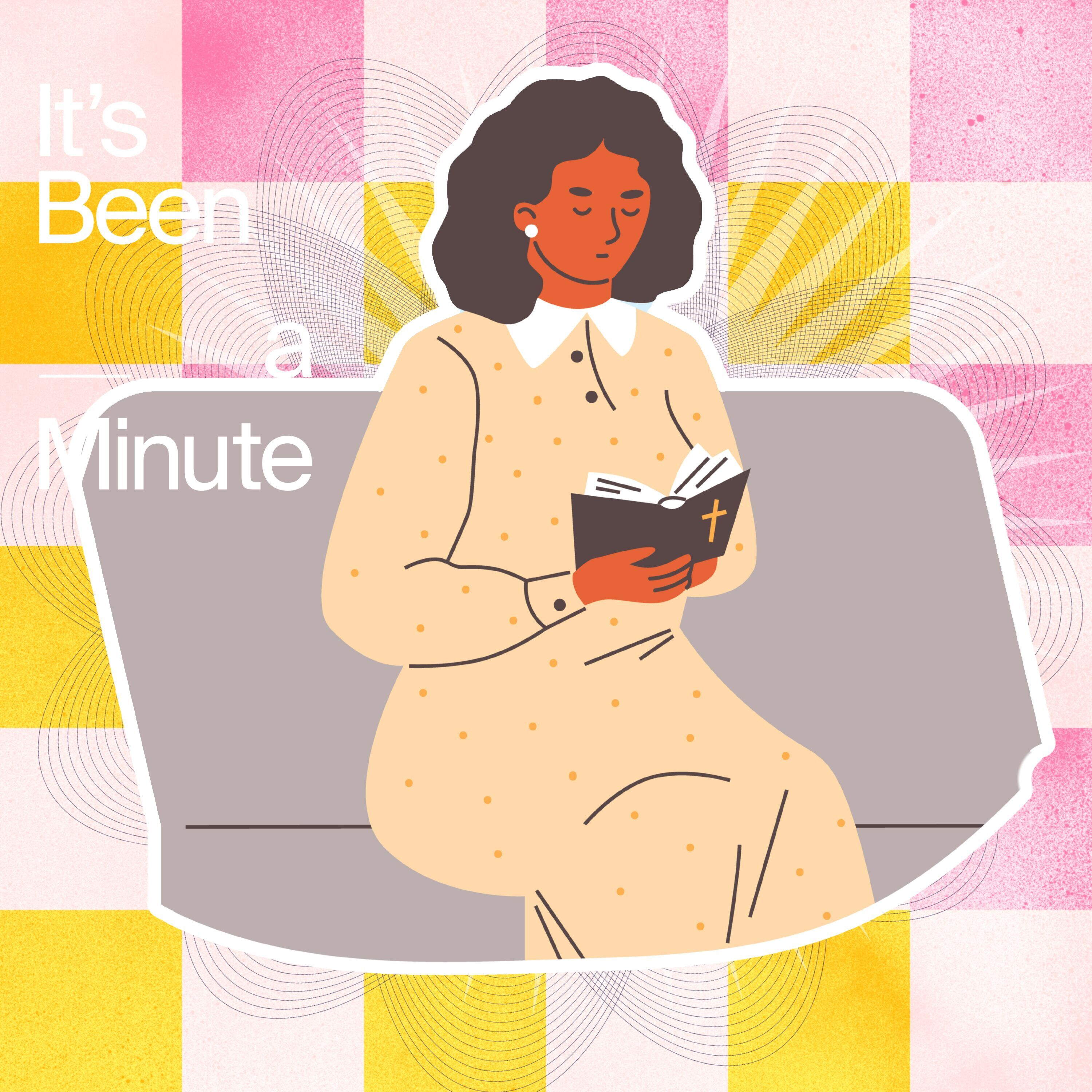
Overview of NPR’s “What does it mean to be a good ‘church girl’?”
In this NPR It’s Been a Minute interview, host Brittany Luse speaks with author Deesha Philyaw about her satirical novel The True Confessions of First Lady Freeman. The conversation explores the pressures placed on women in Black church culture, especially the ideal of the “Proverbs 31 woman” or “good church girl” — a woman expected to be pious, chaste, self-sacrificing, and publicly supportive of her husband’s status. Philyaw uses the novel’s competitive, scandal-filled world of pastor’s wives to examine patriarchy, religious hypocrisy, women’s sexuality, and the possibility of freedom through honesty, sisterhood, and deconstruction.
Main Themes and Ideas
The burden of being a “good woman”
- The “Proverbs 31 woman” is framed as the model of Christian femininity: domestic, devoted, respectable, and supportive of her husband.
- Philyaw argues that this ideal leaves little room for women’s own desires, pleasure, or inner lives.
- The expectation often becomes one of performance: maintaining appearances, protecting a man’s reputation, and absorbing shame privately.
Church culture, sexuality, and control
- Philyaw says the church is deeply preoccupied with women’s sexuality and bodies.
- The interview discusses how religious teachings can create black-and-white thinking about who is “good” or “bad,” “saved” or “damned.”
- She connects this to the broader pressure on women and queer people to suppress desire and conform.
Deconstruction and spiritual questioning
- Philyaw shares that she stopped going to church while writing the book.
- She describes gradually recognizing that her faith no longer felt like her own.
- A major thread in the interview is the difficulty — but necessity — of asking questions, challenging inherited beliefs, and walking away from theology that no longer serves you.
About the Book and Its Characters
A satirical “Real Housewives” style story
- The True Confessions of First Lady Freeman centers on Sharice Freeman, a pastor’s wife navigating status, competition, and scandal.
- The book features a beauty pageant for first ladies of Black mega-churches, which becomes a stage for rivalry, manipulation, and public image management.
- The tone is sharp, comedic, and socially observant, while still serious about the costs of respectability politics.
Different responses to the same system
- Sharice wants acceptance and tries to “perform” the right kind of wife.
- Daphne is ambitious, cruel, and controlling.
- Carolyn resists the whole social game and wants no part of it.
- Philyaw emphasizes that the women are not interchangeable; they each respond differently to pressure, insecurity, and church expectations.
Patriarchy, Power, and Institutional Hypocrisy
Men are protected; women are pressured
- The conversation highlights how pastors and male leaders are often allowed to behave badly while still being seen as “anointed.”
- Women are frequently asked to manage those men’s reputations and absorb the fallout.
- The book reflects how women are made to uphold institutions that do not fully value them.
A critique beyond the church
- Philyaw makes clear that this dynamic is not unique to religion.
- She links church culture to broader systems like patriarchy in families, corporations, and American history.
- The Black church is presented as both vital and compromised: a source of community, education, and civil rights leadership, but also an institution shaped by the same power structures it helped sustain.
Sisterhood, Friendship, and Possibility
Real connection as an antidote
- One of the interview’s most important points is that the women need genuine vulnerability and friendship.
- Philyaw suggests that if women supported one another more honestly, they could challenge the system together rather than compete within it.
- She compares this to unionizing: institutions benefit when people are divided.
Centering women’s relationships
- Over time, Philyaw says she realized the novel is less about marriage and more about women’s friendships and kinships.
- She values relationships with friends, daughters, aunts, and other women as central, not secondary.
- The book argues that romantic love should not always be treated as the highest or most important relationship in women’s lives.
Notable Takeaways
- “Good” womanhood in church culture often demands self-erasure.
- Religious respectability can mask deep emotional immaturity and dysfunction.
- Women are often trained to protect systems that restrict them.
- Freedom begins with honesty: naming what does not serve you.
- Sisterhood, mutual care, and vulnerability can offer a way out of isolation and competition.
Recommended For
- Readers interested in Black women’s fiction and satire
- Listeners curious about religion, patriarchy, and deconstruction
- Fans of stories about church culture, women’s relationships, and social performance
- Anyone thinking critically about the cost of being “good” in the eyes of a community