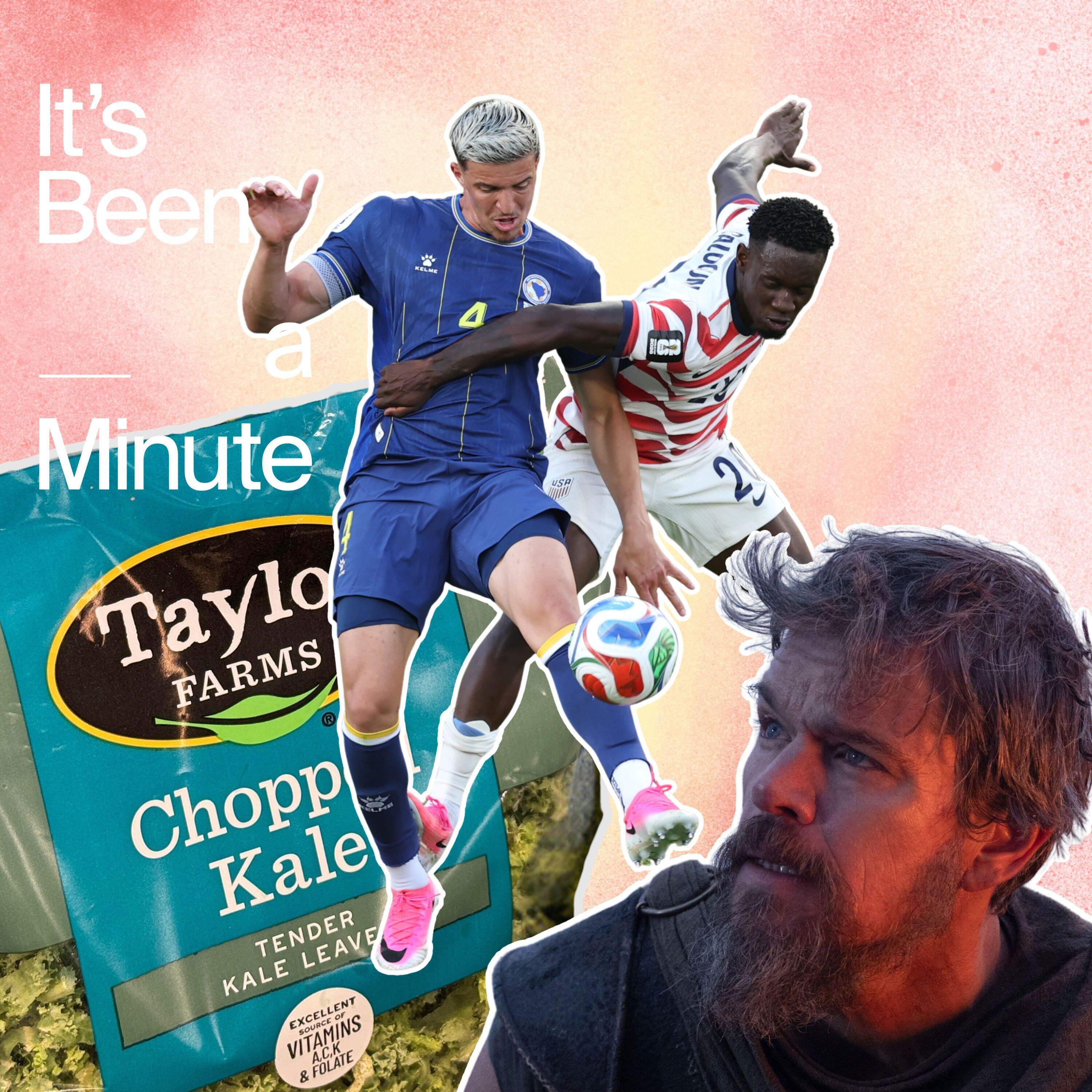
Overview of This summer's hottest trend? Monoculture.
In this episode of NPR’s It’s Been a Minute, Brittany Luce talks with Vox senior correspondent Alex Abad-Santos about why summer 2026 felt like a rare return to monoculture—a period when many people seemed to be sharing the same cultural moments, references, and emotional reactions at once. The conversation argues that this “shared summer” was shaped by everything from sports and movies to food scares and climate-driven misery, and that even the bad parts of the season became collective experiences.
What the episode is about
The central idea is that culture briefly felt unified again.
Rather than everyone consuming separate, niche internet feeds, the season produced a few big, broadly shared events:
- the Knicks’ championship run
- the World Cup
- Serena Williams briefly coming back
- the release and hype around The Odyssey
- a lettuce/foodborne illness scare that made salad feel off-limits
The hosts frame this as a kind of “post-monoculture hangover”: a moment when people were all talking about the same things, for better or worse.
Key themes and takeaways
Monoculture is back — but mostly through shared chaos
The episode suggests that modern monoculture is no longer just about universal joy or mass entertainment. It can also come from:
- heat waves
- wildfire smoke
- contaminated food
- political interference
- corporate scarcity around big cultural events
In other words, people are bonding not only over what they love, but also over what they endure together.
The World Cup became a cross-cultural American moment
Alex and Brittany discuss how the World Cup, especially with so many visitors in the U.S., made America feel newly visible through outside eyes.
What stood out wasn’t just the soccer:
- visitors reacting to air conditioning
- free refills
- giant soda cups
- ranch dressing
- Chili’s and the Cheesecake Factory as unexpectedly beloved American icons
The joke is that Americans usually market “high culture” or landmark prestige, but what people actually loved was the very ordinary stuff of everyday American life.
Scarcity made entertainment feel bigger
The episode also points to the hype around The Odyssey as another monocultural event, especially because of:
- limited IMAX availability
- sold-out screenings
- people traveling specifically to see it in 70mm IMAX
- the absurd effort required to get tickets
That scarcity helped turn a movie release into an event people were collectively obsessing over.
Shared suffering can create community, too
The second half of the episode shifts from joyful monoculture to unpleasant monoculture:
- a cyclospora outbreak
- “explosive diarrhea” news coverage
- the inability to eat salad
- climate and air quality problems
The hosts make the point that when everyone is dealing with the same inconvenience or disgust, it can still create a sense of shared experience. Even misery becomes communal.
Corruption and broken systems are part of the “summer drama”
Alex also ties the season’s collective mood to the feeling that big systems are flawed:
- alleged political meddling in FIFA
- industrial food supply problems
- climate change
- scarcity created by entertainment distribution
The broader takeaway is that America’s current “monoculture” is often defined by the drama of its systems as much as by its art.
Notable ideas and quotes
- Monoculture is described as a shared set of cultural reference points that helps people feel connected.
- The episode repeatedly asks: “Are we the drama?”
- A recurring joke is that even bad experiences—like food poisoning or ticket shortages—can become bonding moments if everyone is going through them together.
- The closing sentiment: if we’re going through hell, at least we’re going through it together.
Bottom line
This episode argues that monoculture hasn’t disappeared—it has just changed form. Instead of one giant happy cultural consensus, we now get brief moments of collective attention built around sports, blockbuster releases, scarcity, and even collective discomfort. The result is a summer where people shared not just excitement, but also irritation, anxiety, and absurdity.