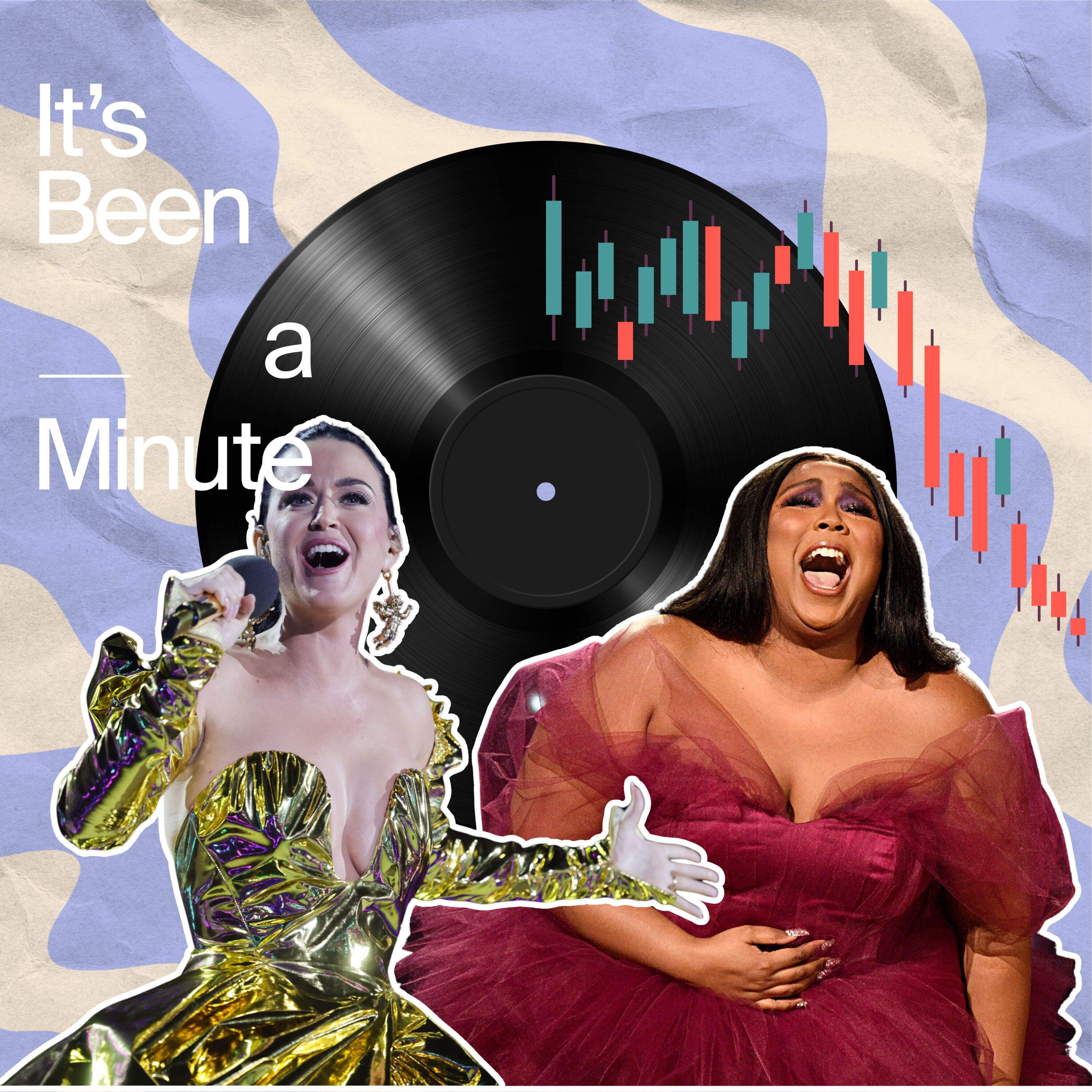
Overview of The Shelf Life of a Pop Star
This NPR It’s Been a Minute episode explores why pop stardom seems harder to sustain than it used to be, using Lizzo as the main case study and Madonna as the gold-standard example of longevity. Host Brittany Luce and music writer Brittany Spanos discuss how internet fandom, streaming-era expectations, and rapidly changing pop trends have reshaped what “success” looks like for major artists. The episode ultimately argues that staying power in pop depends less on perfection and more on reinvention, curiosity, and the ability to move with — or ahead of — the culture.
Main Topics and Discussion Points
The end of the “one-hit wonder” mindset
- The conversation opens with nostalgia for a culture that once accepted one-hit wonders more easily.
- In today’s music landscape, artists are expected to keep producing hits, maintaining relevance, and avoiding “flop” narratives.
- Online stan culture and streaming metrics have made every release feel like a referendum on an artist’s career.
Lizzo as a symbol of shifting tastes
- Lizzo is discussed as an artist who once felt culturally omnipresent but now seems less central.
- Spanos argues that part of Lizzo’s early appeal came from:
- her charm and personality,
- her distinct fashion and public image,
- and the powerful visibility of a larger-bodied Black woman performing confidently and sexually in pop.
- Her decline in public momentum is linked to:
- controversy and brand damage,
- a sense that her image no longer matches the values that originally made people root for her,
- and music that feels less in step with current pop trends.
Pop music is moving away from polished optimism
- The hosts note that Lizzo’s newer work feels like it is trying too hard to manufacture a viral hit.
- They contrast this with today’s preference for music that feels:
- messier,
- more emotionally direct,
- more ironic or deadpan,
- or in some cases, more country-coded.
- Katy Perry is mentioned as another example of a pop comeback that felt out of sync with the moment.
Generational turnover in pop
- The episode frames the current moment as a shift from millennial pop stars to newer artists like:
- Olivia Rodrigo
- Chappell Roan
- Doechii
- Charli XCX
- Sabrina Carpenter
- Bigger legacy stars are also moving into new phases:
- Beyoncé is approaching a legacy era after her current project cycle,
- Rihanna is largely absent from music,
- Ariana Grande is leaning into acting,
- Taylor Swift’s personal and career narrative seems to be closing a long chapter.
Why Some Pop Stars Last Longer Than Others
Madonna as the model of reinvention
- Madonna is held up as the clearest example of lasting relevance.
- Her key strengths:
- She does not aim for perfection.
- She treats pop as experimentation.
- She consistently reinvents both her sound and her public image.
- The episode points to albums like Ray of Light, Confessions on a Dance Floor, and American Life as evidence of her willingness to take risks and stay weird.
“The best pop stars are nerds”
- Spanos argues that the most enduring artists are deeply curious and obsessively engaged with their craft.
- Examples given:
- Beyoncé as a music and culture nerd, especially in Renaissance and her three-act concept,
- Taylor Swift as a songwriting nerd,
- Prince and Michael Jackson as performance-history nerds,
- Lady Gaga as another artist with deep cultural and musical fluency.
- This curiosity helps artists stay ahead of the curve rather than simply repeating their old formulas.
Millennial Pop vs. the Current Mood
From optimism to nihilism
- The episode contrasts the optimistic, “hopecore” energy of millennial-era pop with today’s more cynical atmosphere.
- Songs like:
- “Party in the USA”
- “Run the World”
- “Where Is the Love?” reflect a time when pop often promised personal empowerment and social progress.
- Today’s younger artists are more likely to reflect:
- fatigue,
- disillusionment,
- and a less idealistic view of the future.
Pop stars and relatability
- The conversation suggests that pop stars can’t truly be “just like us” at scale.
- Once a mass audience and commercial system are attached to relatability, it becomes harder to maintain authenticity.
- The best artists, the episode argues, don’t simply mirror the moment — they interpret it, challenge it, or push it forward.
Key Takeaways
- Pop stardom is no longer about one big moment; it’s about constant reinvention under intense public surveillance.
- Lizzo’s decline is framed as a mix of controversy, changing tastes, and music that no longer feels current.
- Madonna endures because she embraces experimentation instead of perfection.
- The most durable stars tend to be “nerds” about their craft, history, and culture.
- Millennial pop’s bright optimism has given way to a more cynical, detached cultural mood.
- In the streaming and stan era, artists are judged continuously, but they also have more chances than ever to reinvent themselves.
Bottom Line
The episode’s central idea is that pop stars don’t just fade because they stop being talented — they fade when they stop evolving with the culture. In a world obsessed with metrics, receipts, and “flop” discourse, the artists who last are the ones who remain curious, strange, and willing to change shape.