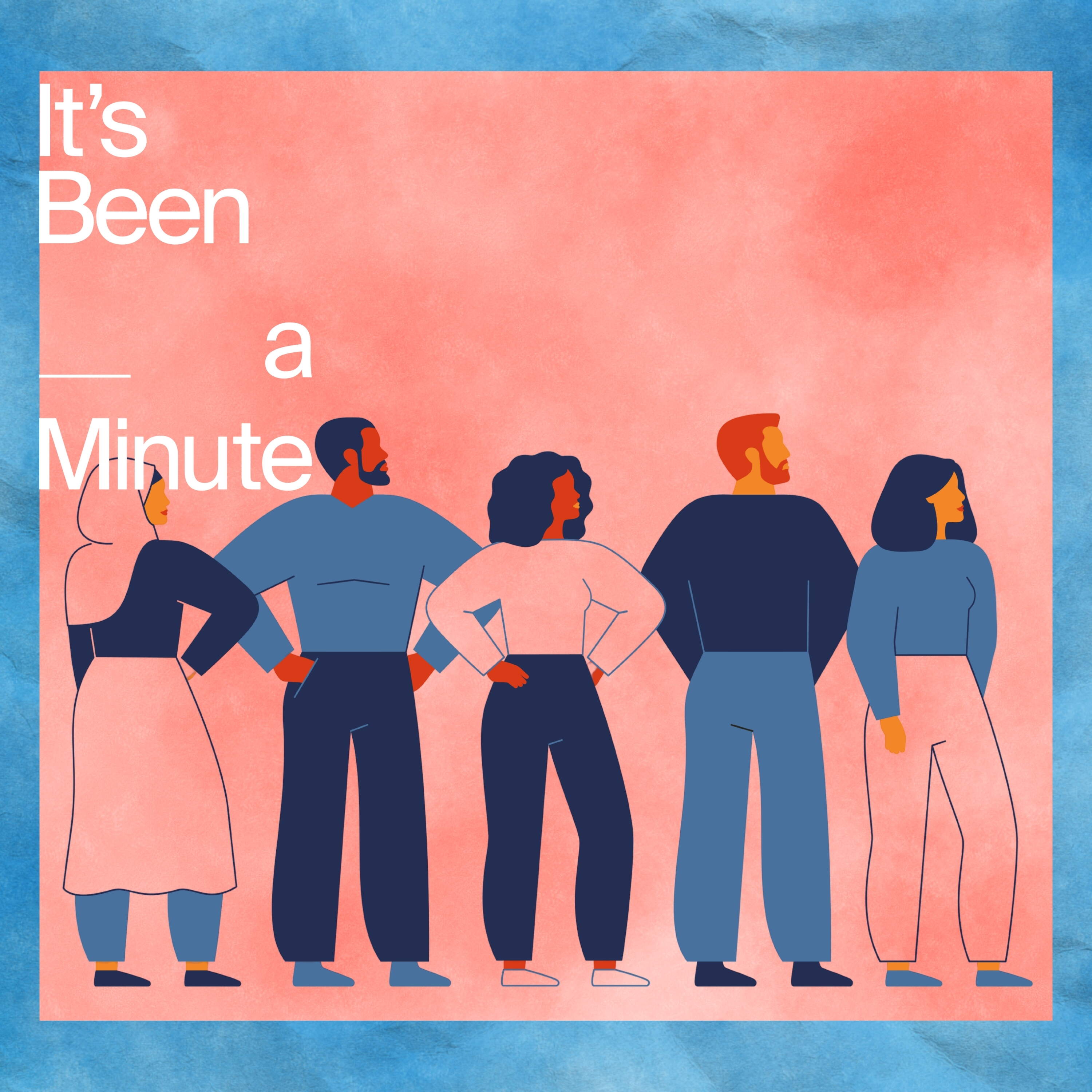
Overview of NPR’s It’s Been a Minute: “The rising power of American Muslims”
This episode examines how American Muslims are becoming more visible and influential in both politics and culture, while also emphasizing that greater visibility does not equal full acceptance or safety. Brittany Luce speaks with cultural anthropologist Dr. Donna Austin and scholar of Islam in America Dr. Tazeen Ali about the rise of Muslim political leaders, the growth of Muslim/SWANA cultural spaces, the long history of Islamophobia in the U.S., and how race, religion, and solidarity with Palestinians shape this moment.
Main Themes
Cultural visibility is expanding
- Muslim and SWANA communities are increasingly building visible spaces such as:
- cafes and coffee shops
- magazines and readings
- dance nights and meetups
- These spaces are popping up in cities like New York, Los Angeles, Chicago, and St. Louis.
- The guests stress that these communities are not new; what’s changed is their mainstream visibility and commercial appeal.
- What used to be a neighborhood “hole-in-the-wall” is often now more polished, expensive, and “Instagrammable.”
Political power is becoming more visible
- The episode highlights politicians such as:
- Ilhan Omar
- Zohran Mamdani
- Abdul El-Sayed
- These figures represent a broader trend of Muslim candidates gaining attention, organizing power, and sometimes office itself.
- Their appeal is tied less to “Muslim identity as novelty” and more to broad coalition politics around:
- rent and affordability
- health care
- child care
- education
- wages
- The guests argue that Muslim politicians are increasingly seen as part of the progressive wing of American politics.
Key Historical Context
Islamophobia in America is much older than 9/11
- The conversation stresses that 9/11 intensified Islamophobia, but did not create it.
- Earlier roots include:
- the enslavement of African Muslims
- surveillance of Black Muslim movements in the 20th century
- anti-Muslim suspicion tied to the Iranian Revolution and hostage crisis
- post-9/11 policing, detentions, surveillance, and the Patriot Act
- Dr. Austin describes the post-9/11 experience as being “Black twice,” capturing the overlap of anti-Black racism and anti-Muslim racism.
Race and religion are deeply intertwined
- The guests explain that American racial categories have never been just about skin color.
- For many SWANA immigrants, “whiteness” was once pursued legally for citizenship and survival, especially during the Jim Crow era.
- But legal whiteness did not guarantee social acceptance, especially for Muslims.
- The episode emphasizes that in the U.S., whiteness has often been tied to Christianity, and Muslimness can racialize people as foreign or non-white even if they are officially classified otherwise.
Important Takeaways
Visibility can bring both power and backlash
- The guests repeatedly caution against confusing cultural legibility with true safety or equality.
- Aesthetic appreciation of Muslim/SWANA culture can coexist with political marginalization.
- Example: hearing celebrities say “inshallah” or “mashallah” does not eliminate the dangers Muslims still face in public life.
Post-9/11 Muslim identity shifted from hiding to public organizing
- After 9/11, many Muslim families advised children to stay low-profile to avoid surveillance and harassment.
- Today, many of those children are adults who are:
- building businesses
- making art
- organizing politically
- running for office
- Public tolerance for some old Islamophobic talking points has weakened in places like New York, even if Islamophobia remains widespread elsewhere.
Black Muslim history is central, not peripheral
- The episode emphasizes that Black Muslims have been foundational to Islam in America.
- Cultural contributions like:
- hip hop
- jazz
- bean pie and other foods
- Muslim references in music have long shaped American culture.
- The show also notes that post-9/11 media often centered immigrant Muslims, which contributed to the erasure of Black Muslims from public discussion.
Gaza, Solidarity, and Public Opinion
Palestine is shaping the current political moment
- The episode links rising Muslim/SWANA visibility to a broader shift in American attitudes toward Palestinian rights.
- The guests note:
- growing public debate over Gaza
- stronger activism and solidarity networks
- changing sympathies among many Americans
- They also point out that the term “genocide” has entered mainstream political debate in a way that would have been hard to imagine a few years ago.
Muslim political candidates are shaped by broader coalitions
- The strongest candidates are described as winning because they build multiracial, multi-faith coalitions around everyday issues.
- Gaza can function as a moral clarity test for many voters, but electoral success still depends on concrete governance concerns.
Final Message
The episode’s central argument is that American Muslims are gaining cultural and political influence, but this should be understood as part of a long history of organizing, resistance, and coalition-building—not as a sudden breakthrough. The hosts and guests emphasize:
- visibility is not the same as protection
- Islamophobia remains structural
- race and religion are inseparable in U.S. power
- the current moment reflects both progress and backlash
Notable Insight
“Visibility and legibility can create social belonging — but they do not automatically create safety.”
This sums up the episode’s core warning: American Muslims may be more visible than before, but the real measure of change is whether that visibility translates into durable freedom, security, and power.