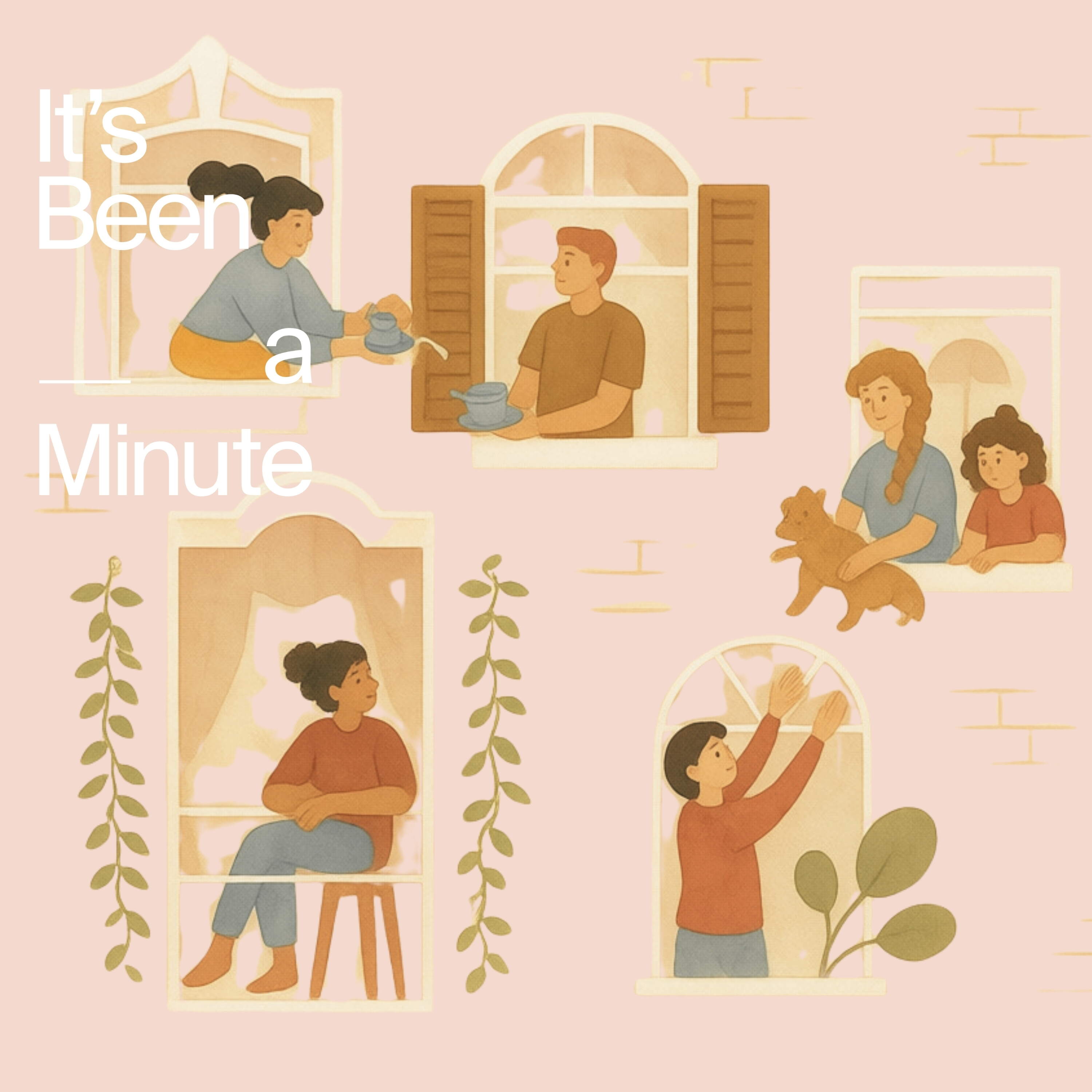
Overview of The rise of “intentional living”
This NPR It’s Been a Minute episode explores the growing appeal of communal living — from co-living houses to co-housing communities — as an alternative to the isolated, individualistic version of adulthood many Americans have been taught to want. Host Brittany Luse and reporter Jordan Marie Smith dig into why more people are choosing to share space, resources, and daily life with friends, neighbors, and chosen family, even when they don’t have to do so for financial reasons.
What “intentional living” means
The episode distinguishes between a few related but different arrangements:
- Co-living: sharing a house with others in a more intentional, relationship-driven way than typical roommate living.
- Co-housing: living in separate units or homes within a planned community that includes shared spaces and shared governance.
- Commune-style living: a broader, often more countercultural form of shared life, sometimes with religious or ideological roots.
The central idea is that these setups are not just about saving money — they are about building community on purpose.
Why communal living is gaining interest
The episode points to several cultural and economic forces driving this trend:
Housing costs and economic pressure
- Home prices in the U.S. are at record highs.
- Living alone has become increasingly unaffordable, especially in cities like Washington, D.C. and San Francisco.
- Shared housing can make higher-quality or more desirable living situations possible.
Loneliness and social isolation
- The conversation frames communal living as a response to the “loneliness epidemic.”
- People want more regular connection, support, and everyday interaction.
- Co-housing in particular is presented as a structural way to make friendship and neighborliness easier.
Changing ideas about adulthood
- The traditional American model — married couple, children, detached house, private lawn, private everything — is no longer realistic or appealing to everyone.
- The episode questions whether adulthood has to mean living alone or in a nuclear family structure.
- For many people, living communally feels more intentional, mature, and emotionally sustainable.
Voices and examples from the episode
Jordan Marie Smith
- She shares that she grew up in a religious commune in a mostly Black Seventh-day Adventist community.
- She also admits she recently moved out of roommate life and now cherishes having her own space.
- Her perspective helps frame the episode’s tension: communal living can be beautiful and practical, but it isn’t for everyone.
Raina Cohen
- An NPR colleague living in a shared house with her husband, two other couples, and a friend.
- She describes co-living as energizing and says people can gain “activation energy” from one another.
- She emphasizes the value of living with people you genuinely want to build a life with.
Michael King
- Lives in a Berkeley house with 19 other people and two dogs.
- Says he moved from a solitary apartment to communal living because he wanted more shared life and experience.
- His example shows that some people actively choose this lifestyle for emotional and social richness, not just affordability.
Trish Becker-Haffner, National Cohousing Alliance
- Argues that American neighborhoods are designed around privacy, cars, and isolation.
- Notes that loneliness has serious health consequences, including links to heart disease, dementia, depression, and anxiety.
- Says cohousing aims to build support networks and shared responsibility.
Benefits of communal living
The episode highlights several advantages:
- Less loneliness
- Shared resources and reduced duplication of things like tools and appliances
- More support, especially for parents and people with busy lives
- Better problem-solving, since responsibilities are distributed
- Potential environmental benefits through lower consumption and shared footprint
- Greater flexibility for people whose lives do not fit the traditional nuclear family model
A recurring idea is summed up by the cohousing saying:
“Does everyone need our own lawnmower?”
That question becomes a shorthand for rethinking ownership, waste, and the assumption that independence is always the goal.
Tradeoffs and challenges
The episode does not romanticize communal living. It makes clear that community comes with friction:
- Decision-making takes longer
- Consensus can be frustrating
- Conflicts are inevitable
- Shared living requires time, labor, and emotional investment
- Privacy is reduced
One key line from the episode is that “the price of community is inconvenience.”
That inconvenience can range from small annoyances to long budget meetings and difficult group decisions.
Still, the guests argue that isolated living has hidden costs too — and that community tends to give something back in return.
Main takeaway
The episode suggests that intentional communal living is not just a nostalgic throwback to communes or a budget workaround. It may be a practical and meaningful response to modern pressures: loneliness, housing costs, changing family structures, and a desire for deeper connection.
In the end, the piece argues that communal living can be a valid, grown-up way to build a life — one rooted not in isolation, but in interdependence, shared support, and chosen community.