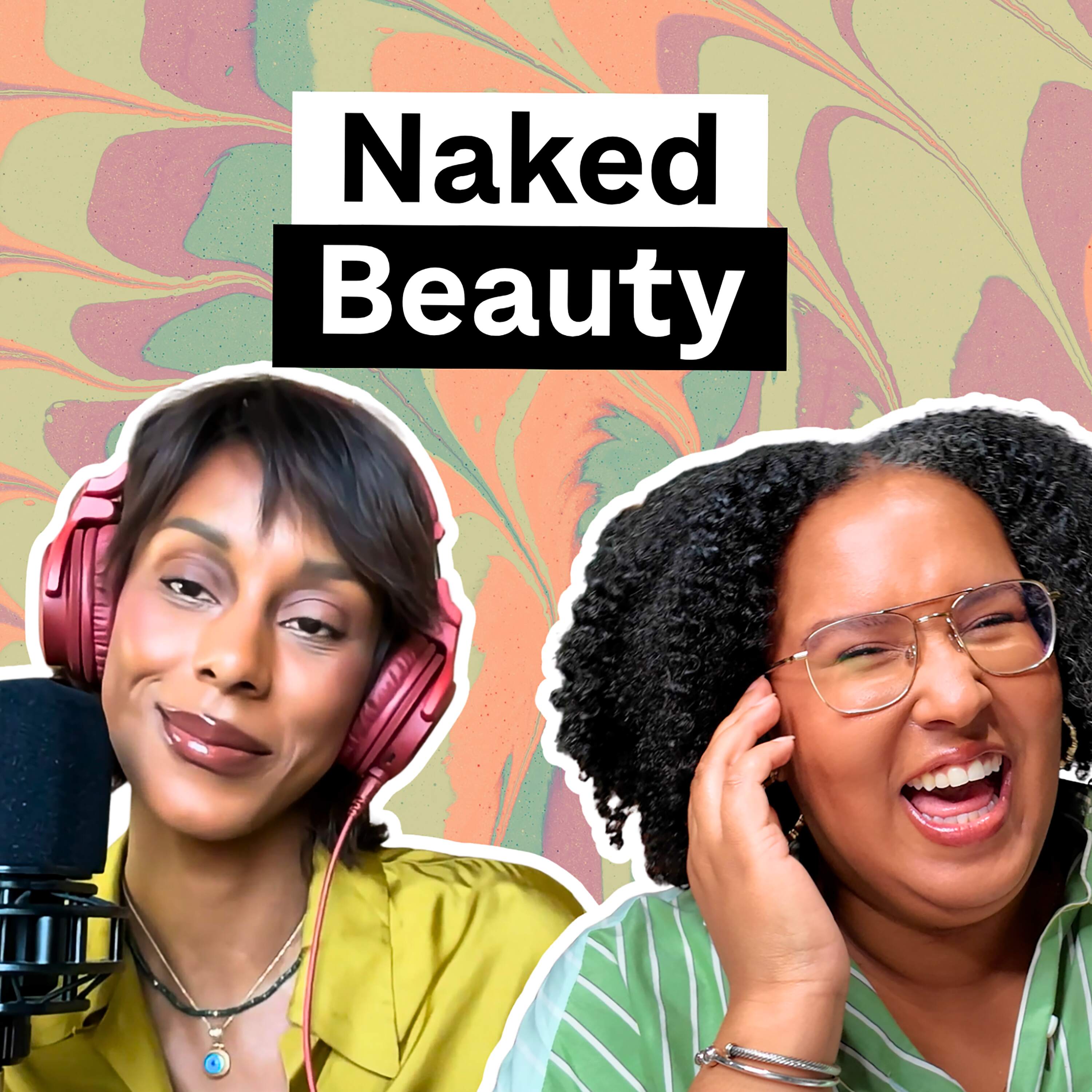
Overview of The Naked Truth of Beauty
This episode of NPR’s It’s Been a Minute explores how beauty culture has changed over the last decade—from self-expression to optimization—and how social media, algorithmic trends, and rising cosmetic procedures have made beauty feel more like a constant project than a personal choice. Brittany Luce talks with beauty expert Brooke DeVard Ozaydinli, host of Naked Beauty, about beauty standards, aging, plastic surgery, Black women’s experiences, and how to build routines that feel empowering rather than punishing.
Key Themes and Takeaways
Beauty has shifted from expression to optimization
- Brooke says that in 2016 beauty was more about creativity and self-expression.
- Today, it’s increasingly framed as “fixing” or “optimizing” the face and body.
- The internet and algorithm-driven culture have intensified beauty trends, making them feel urgent, standardized, and never-ending.
The algorithm has changed beauty expectations
- Social media platforms reward content that drives engagement, not necessarily what is healthy or realistic.
- Viral beauty trends now include extreme or unusual practices, like mouth taping, body wrapping, and “looksmaxxing.”
- The hosts note that beauty now feels like a nonstop performance where every feature is an opportunity to improve by 1%.
Black women face especially intense pressure
- Brooke connects “looksmaxxing” to respectability politics for Black women.
- Black women have long been expected to be not just beautiful, but “impeccable,” especially in public and professional spaces.
- She argues that Black women are often judged both for doing too much and for not doing enough, leaving very little room for error.
- The conversation also highlights how limited representation in media increases scrutiny of the few Black women who are highly visible.
Reality TV and public policing of Black women’s appearance
- The episode discusses Love Island USA and how viewers excessively critique Black women’s hair, makeup, and styling.
- Brooke warns that public discussions about Black women’s hair can invite broader, often non-Black, entitlement to comment on Black features.
- Her advice: keep those critiques out of public spaces and in private group chats.
Plastic surgery is more complicated than “for” or “against”
- Brooke says her views on plastic surgery have softened.
- She now sees it as an art form in some cases, especially when it helps restore a person’s sense of self after grief, trauma, or aging.
- She emphasizes that for women in Hollywood, cosmetic procedures can have real economic consequences, affecting casting, branding, and career longevity.
- The episode pushes back against the idea that getting work done is purely vanity or a moral failure.
Practical Beauty Advice from the Conversation
Build routines around real needs, not trends
- Ask: What problem am I trying to solve?
- For skincare, Brooke recommends seeing a dermatologist and bringing your full routine for review.
- Consistency matters more than chasing instant results.
Don’t let the algorithm choose your routine
- Brooke encourages people to put the phone down and be skeptical of viral beauty advice.
- The best routines are often the ones tailored to your actual skin, hair, and lifestyle.
Lean on word of mouth and human connection
- Brooke values asking people in real life what they use, wear, or get done.
- She argues that beauty should stay rooted in shared knowledge and community, not just social media hype.
Choose beauty as adornment, not obligation
- She frames beauty best as something additive—fun, sensory, and expressive.
- Makeup, fragrance, skincare, and styling can be rituals of pleasure, not requirements for worth.
Notable Insights
- “The internet democratized beauty, but now we all are kind of treating ourselves as these project managers of our faces and our bodies.”
- Brooke argues that the danger is not just beauty standards themselves, but the idea that there’s “no excuse” not to look perfect because so many tools are available.
- One of the most important ideas in the episode is that beauty should not be tied to moral value, self-worth, or legitimacy.
Final Takeaway
The episode argues for a healthier, more realistic relationship with beauty: one that acknowledges pressure, privilege, money, and labor, while still leaving room for pleasure, creativity, and personal choice. Rather than chasing perfection, Brooke and Brittany suggest that the goal should be freedom, self-awareness, and enough detachment from the algorithm to define beauty on your own terms.