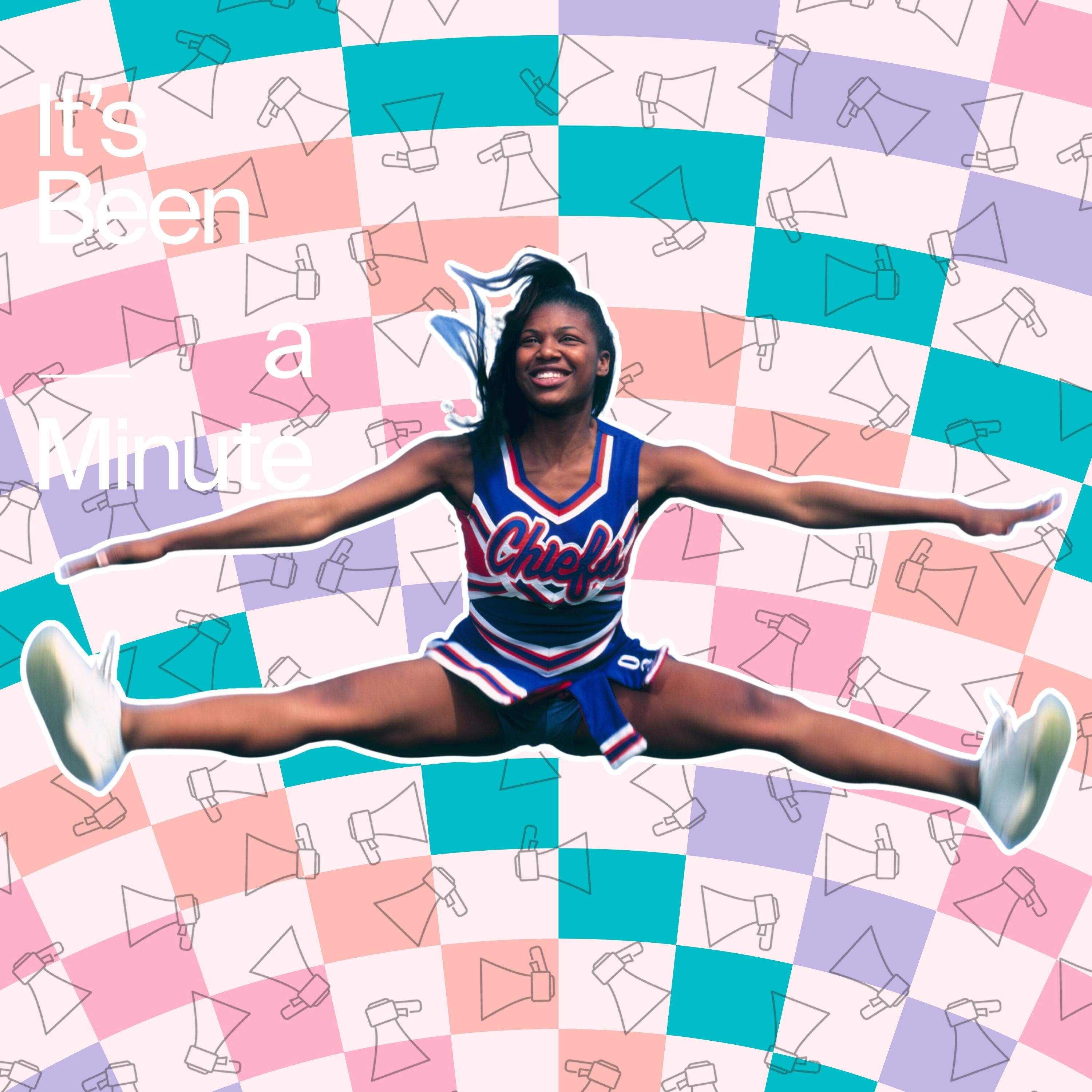
Overview of The high flying girls who desegregated America
This NPR It’s Been a Minute episode explores cheerleading as much more than a school spirit activity: it’s a cultural symbol tied to gender, race, status, and belonging in America. Brittany Luse talks with Dr. Natalie Geis Adams and Dr. Amira Rose Davis, contributors to The Cheer Reader, about how cheerleading evolved from a male-dominated campus ritual into a feminized, highly stylized, and often contested space—especially for Black girls and girls of color. The conversation connects cheerleading to school desegregation, respectability politics, colorism, feminism, labor rights, and the modern commercialization of the sport.
Key themes and takeaways
Cheerleading started as a male status symbol
- Early cheerleading emerged in the late 1800s alongside football, beginning as a male-led, military-influenced campus tradition.
- It was closely tied to masculinity, leadership, and elite college status.
- Women were largely excluded until World War II, when men left campuses and women stepped into the role.
The “classic cheerleader” image was built in the postwar era
- By the 1950s, cheerleading had become strongly associated with:
- femininity
- wholesomeness
- beauty
- optimism
- school and national pride
- The cheerleader became a symbol of the ideal American girl: supportive, attractive, and aligned with postwar nationalism.
Black girls used cheerleading as a path to status and visibility
- For Black students, cheerleading carried strong respectability politics and often reinforced colorism.
- Black newspapers and school communities sometimes treated cheerleaders as especially respectable “race women” or exemplary young women.
- In many cases, cheerleading signaled proximity to whiteness and a certain ideal of “proper” girlhood.
Cheerleading was part of the struggle over school desegregation
- The episode argues that cheerleading offers a unique window into the lived realities of desegregation after Brown v. Board of Education.
- Black girls often wanted access to the same extracurricular status and visibility as white girls—but were blocked or excluded.
- A powerful line from the discussion captures the contradiction:
- “You want our boys to play for you, but you don’t want us to cheer.”
- That distinction revealed how schools were willing to benefit from Black athletic labor while resisting Black visibility and leadership.
Cheerleading became a site of activism
- The guests explain that many student walkouts and organizing efforts began over cheerleading access.
- Cheerleading was not “frivolous” to the students involved—it was a meaningful fight over:
- citizenship
- equality
- representation
- school belonging
- Seen from the sidelines, these struggles reveal how teenage girls shaped civil rights and school integration politics.
Modern media has complicated the cheerleader stereotype
- Films and TV have long reinforced the cheerleader as a symbol, from Grease to Bring It On.
- More recent media like Cheer, But I’m a Cheerleader, TikTok, and YouTube have broadened the image.
- The conversation highlights the rise of Black cheer culture, drill teams, majorettes, and Southern cheer traditions, which were often missing from older mainstream portrayals.
Cheerleading today is athletic, expensive, and still status-driven
- Cheerleading has become more technically demanding through:
- gymnastics
- stunts
- acrobatics
- formal competitions
- But it is also often a middle- or upper-middle-class activity, with significant costs for travel, uniforms, and training.
- The guests note that cheerleading remains a contested status symbol, especially around body ideals, race, hair, and femininity.
Professional cheerleaders face labor and safety issues
- The episode ends by stressing that cheerleading also matters as a labor issue.
- Professional cheerleaders have brought lawsuits over:
- low pay
- poor working conditions
- bodily autonomy
- healthcare
- sexual harassment and abuse
- These struggles predate and connect to broader conversations about workplace rights and #MeToo, even if they are often left out of that history.
Notable insights
- Cheerleading shows how symbols can hide real power struggles.
- The enduring image of the cheerleader reflects society’s expectations of women: to be seen, smiling, supportive, and silent—but not too autonomous.
- At the same time, cheerleading can also be a source of confidence, leadership, joy, and agency for girls who participate in it.
- The episode argues that dismissing cheerleading as trivial misses its deep importance in American cultural and political history.
Main takeaway
Cheerleading is not just about pom-poms and sideline spirit—it is a lens into American ideas about race, gender, belonging, and power. From desegregation fights to modern labor disputes, the history of cheerleading reveals how teenage girls have used visibility and performance to demand respect, access, and recognition.