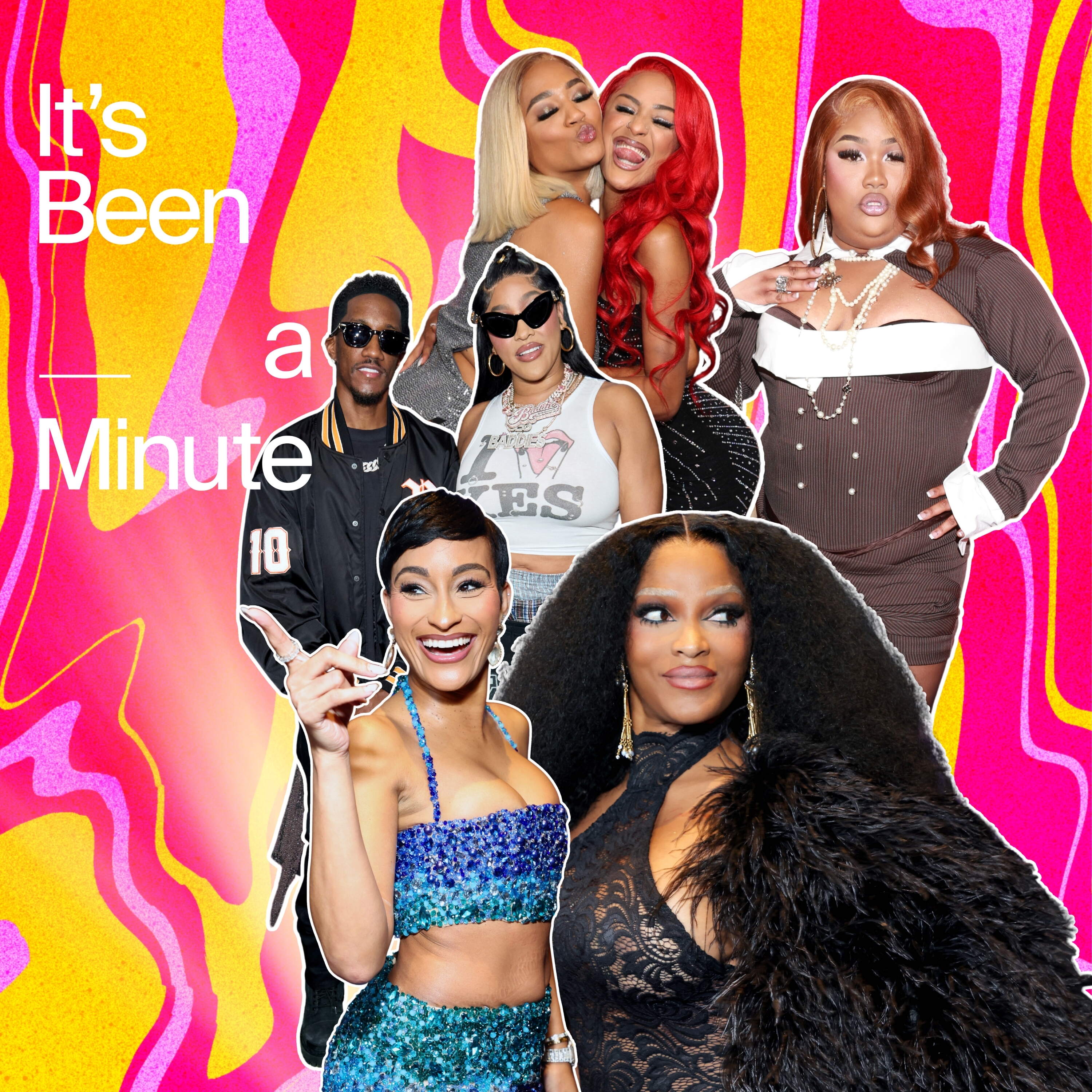
Overview of The Good, the Baddies, and the Ugly
This NPR It’s Been a Minute episode examines the rise of Zeus Network reality TV—especially the Baddies franchise—and asks whether its appeal is just exaggerated entertainment or something more harmful. Host Brittany Luse speaks with Dr. Donitra C. Allison, chair of Africana Studies at Stockton University, about how these shows fit into the history of reality TV, how they shape perceptions of Black women, and why their “raw, real, authentic” branding raises serious concerns around stereotype, labor, and exploitation.
Key Topics Discussed
How reality TV got here
- The conversation traces the evolution of reality TV from early hidden-camera shows to The Real World, which normalized the “put strangers in a house and see what happens” format.
- It then connects that lineage to the more conflict-driven shows of the 2000s and beyond, including Maury, Jerry Springer, Housewives, and Love & Hip Hop.
- The episode argues that Zeus didn’t invent chaos TV—it amplified an existing trend.
What makes Zeus Network different
- Zeus Network’s flagship shows, especially Baddies, are described as more extreme, less polished, and more physically chaotic than mainstream reality TV.
- The show’s main draw is not competition or talent, but frequent fights, shouting, and unfiltered confrontation.
- Unlike mainstream networks, Zeus keeps its streaming numbers private, but its YouTube reach and trailer views suggest a large audience.
Why people watch
- Dr. Allison says the appeal is often escapism: viewers want something mindless, dramatic, and absurd.
- At the same time, she notes that the cast members are often attractive, charismatic, funny, or genuinely talented, which helps audiences connect with them beyond the fights.
- Some cast members use the exposure to grow followings and launch music or other careers.
Main Takeaways
1. The shows feed old stereotypes about Black women
- Dr. Allison argues that Zeus programs reinforce the idea that Black women are “wild,” “crazy,” or ready to fight at any moment.
- Because the content is labeled “reality,” those portrayals can feel especially damaging or believable to audiences.
- She connects this to the long history of Black women being stereotyped in media, particularly through the “Sapphire” caricature.
2. The problem is not just the behavior—it’s the lack of balance
- Conflict exists in many reality franchises, but Zeus shows often offer little beyond conflict.
- By contrast, shows like RuPaul’s Drag Race, Making the Band, or Housewives provide additional context, talent, or a more rounded sense of who the cast members are.
- Without that counterweight, the audience is left with a narrow and often demeaning image.
3. Exposure is both an opportunity and a trap
- Zeus co-founder Lemuel Plummer frames the shows as platforms for people to tell their stories and showcase talent.
- Dr. Allison calls this a catch-22: exposure can help cast members gain followers, but the way they become famous can limit future opportunities.
- Someone who becomes known through constant fighting may struggle to transition into acting, music, or more serious work.
4. The labor issues matter too
- The episode notes that cast pay appears inconsistent; some people reportedly make significant money, while others may earn far less.
- Dr. Allison links this to broader structural inequality, where people with fewer options may accept risky or exploitative work because it is one of the few available paths to income or visibility.
- She compares this to historical examples like Hattie McDaniel, whose career was constrained by racist role availability.
5. The impact extends beyond the screen
- Dr. Allison says these portrayals can affect real-life interactions, not just media image.
- She shares an example of being misread in a professional setting because of assumptions about Black women shaped by television.
- The episode argues that these portrayals contribute to broader social prejudice, not just entertainment discourse.
Notable Ideas and Quotes
- On the appeal of the shows: viewers treat them like a “train wreck” or “an accident you can’t look away from.”
- On harm: the shows can “feed into this idea that Black women are just wild and crazy.”
- On responsibility: Black people are not responsible for ending racism or controlling stereotypes, but they are often the ones most affected by them.
- On fame: becoming known through chaos can make it harder to cross over into other career paths.
Bottom Line
The episode presents Zeus Network’s Baddies universe as more than just trash TV or guilty pleasure viewing. It argues that the franchise sits at the intersection of entertainment, labor exploitation, and racialized stereotype-making. While the shows can be funny, addictive, and even launch careers, the conversation makes clear that the cost—especially for Black women—is often significant.