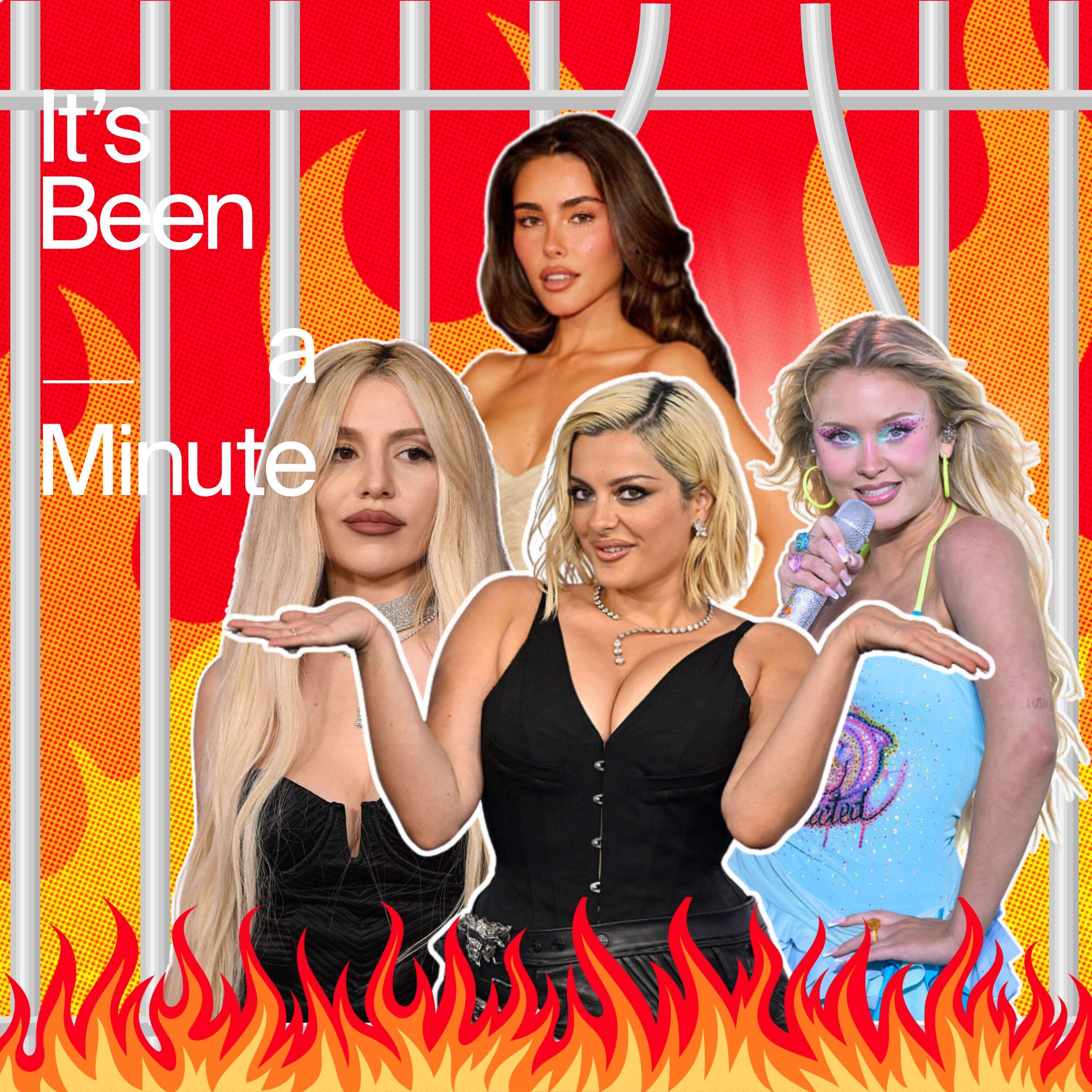
Overview of The D-List pop star purgatory
This NPR It’s Been a Minute episode examines the internet phrase “Khia Asylum” — a joking label for pop stars who are successful, beloved, and widely streamed, but not quite in the superstardom tier of Taylor Swift-level fame. Brittany Luse talks with NPR music reporter Isabella Gomez-Sarmiento and Billboard staff writer Kyle Denis about where the term came from, why stan culture uses it, and what it reveals about pop fandom, race, branding, and the increasingly gamified way people measure success.
What the “Khia Asylum” means
A middle zone, not a flop zone
- The hosts emphasize that the “Khia Asylum” is not the same as failing.
- It refers to artists with:
- dedicated fan bases
- strong streaming numbers
- active touring careers
- plenty of cultural relevance
but who are still short of universal name recognition.
Artists commonly placed there
Examples discussed include:
- Bebe Rexha
- Ava Max
- Carly Rae Jepsen
- Madison Beer
- Tate McRae
- Camila Cabello
The joke is that these artists are “stuck” in an in-between space: too big to be obscure, not big enough to be indisputably mainstream icons.
Where the phrase came from
Origin in stan culture
- The term traces back to a 2014 tweet showing a fan crying after meeting rapper Khia (not “Kia”; the episode stresses the correct pronunciation).
- Nicki Minaj stan accounts mocked the reaction, implying Khia was not important enough to inspire that level of emotion.
- Over time, the term evolved into shorthand for a certain tier of pop stardom.
- A 2024 viral tweet/diagram helped cement “Khia Asylum” as a meme with defined “tiers.”
Why Khia specifically matters
- The episode points out that this framing ignores Khia’s real legacy.
- “My Neck, My Back” remains culturally iconic and has been sampled or referenced by later artists, including:
- Saweetie
- City Girls
- The speakers argue that Khia’s influence is much bigger than the dismissive internet shorthand suggests.
What this says about pop fandom
Success has become highly gamified
- The episode argues that pop music is now filtered through:
- charts
- monthly listeners
- follower counts
- viral moments
- streaming totals
- endless variant releases
- Fans often use these metrics like scoreboards, turning music into a competition.
“Breaking out” is as much about fandom validation as artist growth
- Fans want their favorite artists to escape the “asylum” because it validates their taste.
- In that way, stans are often rooting for an artist’s ascension as a reflection of their own cultural savvy.
Some artists may not even want to be huge
- The conversation also notes the downsides of mega-fame:
- less privacy
- more security concerns
- intense scrutiny
- constant pressure
- In that light, being in the middle tier may actually be preferable for some artists.
Race, language, and criticism of the term
The episode critiques the term as racially loaded
- The hosts argue that the phrase reflects how stan culture often:
- misunderstands Black music history
- strips context from Black artists’ influence
- uses language that becomes detached from its origins
- They also connect this to “digital blackface” and the way online culture often borrows Blackness as aesthetic or performance without real understanding.
The problem with using Khia’s name this way
- The episode suggests that the meme is disrespectful to:
- Khia herself
- Southern rap
- the broader lineage of outspoken women in hip-hop
- It also highlights how quickly internet language can flatten a real artist into a shorthand for “not that famous.”
Bigger takeaway: pop culture is increasingly carceral and metric-driven
“Asylum” is a revealing metaphor
- The hosts note how strange it is that pop fandom uses institutional language like:
- “escape”
- “break out”
- “asylum”
- That framing makes pop stardom sound like imprisonment rather than work.
Pop stars are being flattened into brands
- Kyle Denis argues pop is especially prone to this because it is so centered on:
- image
- branding
- visibility
- public-facing identity
- That makes it easy for fans to project narratives onto artists and rank them like products.
Final takeaway
The episode treats “Khia Asylum” as more than a meme: it’s a window into how modern fandom measures worth, how pop has become obsessed with data and tiered success, and how Black cultural influence can be misread or erased in the process. At the same time, it suggests that not every artist needs to “break out” to have a meaningful career — and that the whole obsession with escaping the middle may say more about fans than about the music.