Overview of Progressive women are fed up & fighting back (feat. IHIP News)
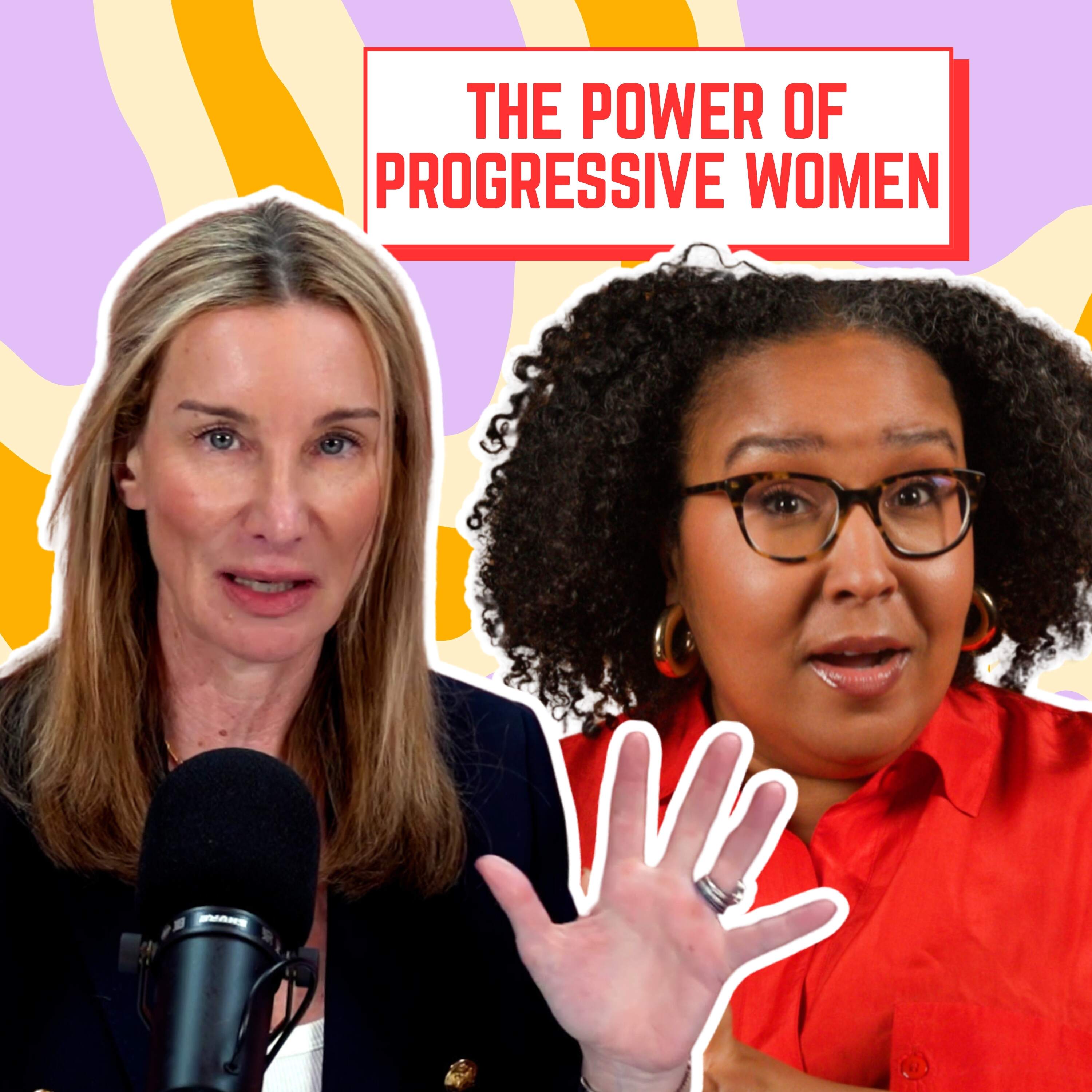
In this NPR It’s Been a Minute conversation, Brittany Luse talks with Jennifer Welch and Angie Sullivan, the hosts of I’ve Had It and IHIP News, about how two former reality-TV personalities became influential progressive political commentators. The episode explores their political awakenings, their growing audience, why they believe many women are becoming disillusioned with the right, and why they think Democrats are struggling to connect with voters by not speaking plainly or listening to the base.
Key Takeaways
-
Their political shift was gradual, but public.
- Welch says she has always been politically outspoken and grew more radical as Trump’s influence grew.
- Sullivan describes moving from a Republican upbringing to a more progressive worldview after paying closer attention to Trump-era politics.
-
Their audience grew as their content became more political.
- Early “everyday grievance” episodes drew a broad, bipartisan audience.
- Once they started speaking more directly about politics, they lost some viewers but gained a larger, more diverse following.
-
They believe authenticity matters more than polish.
- Both argue that audiences respond to “truth-telling” and plain language.
- They see their appeal as rooted in candor, chemistry, and not trying to please everyone.
-
They are skeptical of white women “leaving the right.”
- Welch and Sullivan do not think the current backlash against Trump among some white women necessarily means a lasting ideological shift.
- They see it as potentially temporary and tied more to Trump’s unpopularity than a deeper political conversion.
-
They think Democrats are too cautious and too corporate.
- Welch argues that Democrats lose because they avoid direct language, hedge too much, and stay too close to donors and corporate interests.
- They frame this as a failure to build a real opposition to authoritarianism and fascism.
-
They say Black women are central to the Democratic coalition.
- Welch emphasizes that Black women have long warned about policing, racism, and civil-rights erosion.
- She argues Democrats repeatedly fail to listen to them until problems become impossible to ignore.
-
They want politicians to show up and take criticism.
- They discuss contentious interviews with figures like Jack Schlossberg, Cory Booker, and Rahm Emanuel.
- Their view: politicians should be willing to enter uncomfortable spaces, answer hard questions, and engage with criticism.
Jennifer Welch’s View: “Say what you mean”
Welch’s core argument is that Democrats lose when they speak in cautious, consultant-approved language. She believes voters are drawn to people who sound direct and unfiltered, even if they disagree with them. In her view:
- Plainspoken language builds trust.
- Calling things what they are—especially “fascism”—is necessary.
- Democrats should stop worrying so much about donor comfort and start speaking to working people.
She also connects her own political evolution to a sense of responsibility, saying that as a white woman who once voted in a self-interested way, she feels an obligation to speak out now.
Angie Sullivan’s View: Recognizing internalized patriarchy
Sullivan frames her political growth as a process of unlearning the conservative, patriarchal environment she grew up in. She says she used to accept a lot of inequality as normal and now sees the harm more clearly. Her key points:
- Many women contribute to patriarchy without realizing it.
- Some white women vote against their own interests because they assume oppression won’t affect them personally.
- Christian nationalism and MAGA politics threaten women’s independence, financial security, and bodily autonomy.
She warns that reproductive rights, economic freedom, and basic autonomy are all at risk if women don’t become more politically engaged.
Why Their Platform Resonates
The hosts argue that their show works because it feels like a real conversation rather than a scripted political product. They believe listeners appreciate:
- Honest disagreement
- A sense of community around shared frustration
- The feeling that someone else is “seeing what they’re seeing”
- A mix of humor, gossip, and politics that feels relatable
They also say their audience includes a wide range of ages, identities, and political backgrounds, which they see as proof that candid political talk can cross traditional media boundaries.
Big Picture Message
The episode’s broader argument is that women’s politics are shifting, but not always in the ways headlines suggest. Welch and Sullivan want Democrats and the media to take women seriously—not just as a voting bloc, but as people shaped by lived experience, economic pressure, race, gender, and power. Their message is blunt: if Democrats want to win, they need to listen better, speak more honestly, and stop assuming polished messaging is enough.