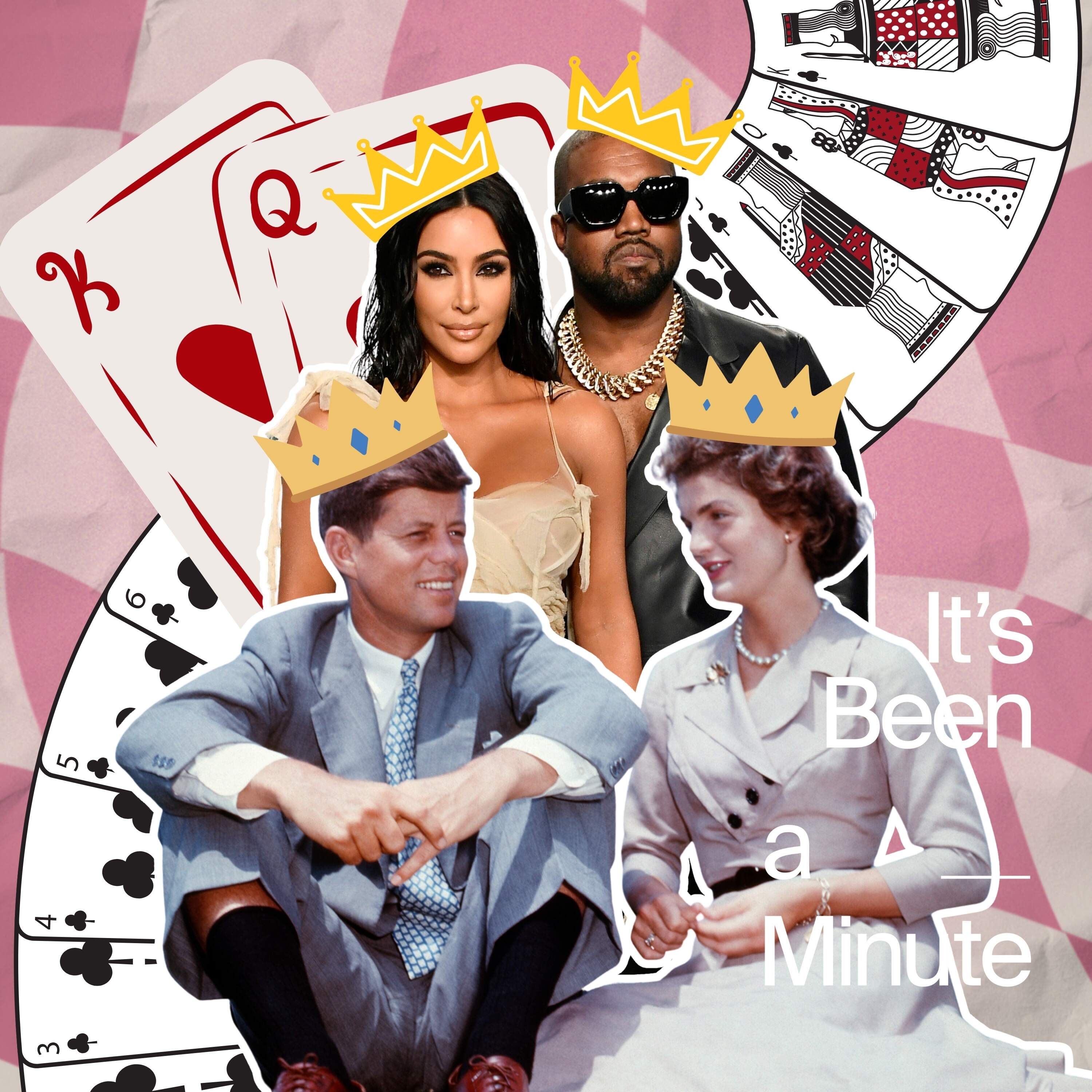
Overview of It's Been a Minute from NPR
In this episode, Brittany Luce talks with writer MJ Corey, author of Deconstructing the Kardashians, about why the Kardashian-Jenner family and the Kennedy family are more similar than many Americans like to admit. The conversation argues that both dynasties mastered media, built mythologies around family identity, and turned personal image into political and cultural power. At the center of the discussion is a bigger question: what does American celebrity say about America itself?
Key Argument: The Kardashians and Kennedys Are Both American Dynasties
MJ Corey challenges the common view that the Kennedys were “earned” public figures while the Kardashians are merely manufactured celebrities.
Shared traits between the families
- Media fluency:
- The Kennedys rose with television.
- The Kardashians rose with reality TV, Instagram, and Twitter.
- Family as strategy:
- Both families used multiple members to reach different audiences.
- Each person played a distinct role in expanding the family brand.
- Image management:
- Both families understood that visibility itself creates power.
- Public attention became a tool for influence and status.
Kris Jenner and Joe Kennedy Sr. as Parallel Power Brokers
The episode draws a strong comparison between Kris Jenner and Joe Kennedy Sr. as behind-the-scenes strategists who shaped their families’ public success.
What they did
- Directed family members toward specific industries and opportunities.
- Understood how media and publicity could manufacture relevance.
- Treated the family itself like a coordinated brand or enterprise.
Corey notes that Joe Kennedy Sr. even pushed JFK toward entertainment and politics in ways that resemble Kris Jenner’s role in building the Kardashian empire.
JFK, Kim Kardashian, and the Role of the “Lead” Family Member
A major theme is that the “face” of each family is not the same person people often assume.
Corey’s comparison
- JFK functioned more like Kim Kardashian:
- a central public figure
- highly media-savvy
- able to translate family identity into broad cultural appeal
- Jackie Kennedy functions more like Kanye West in the comparison:
- culturally literate
- able to elevate the family’s image through style, references, and cultural prestige
This reframes the usual assumptions:
- Jackie is not just “arm candy.”
- Kim is not just a beauty icon.
- Each plays a deeper role in shaping the family’s public meaning.
Camelot, Marilyn Monroe, and the Power of Myth
The episode also explores how both families became mythologized through storytelling.
Jackie Kennedy’s role in shaping the Kennedy legacy
- After JFK’s assassination, Jackie carefully guided the story of Camelot into the public imagination.
- She used a symbolic, idealized narrative to turn the Kennedy administration into something almost legendary.
- That myth has remained central to how Americans remember JFK.
Marilyn Monroe and Kim Kardashian
- Kim has embraced comparisons to Marilyn Monroe.
- Corey argues that Marilyn represents a more “analog,” nostalgic era of celebrity.
- Kim represents a more postmodern model: always visible, always circulating, always self-aware.
- The public may resist the comparison partly because Marilyn’s legacy is tied to tragedy and death, while Kim’s is tied to constant reinvention.
The Biggest Difference: Privacy vs. Curated Oversharing
One important contrast between the families is how they handle scandal and intimacy.
Kennedys
- Preferred to keep dysfunction private.
- Controlled the narrative through myth, prestige, and selective access.
Kardashians
- Thrive on a curated version of personal life.
- Turn family conflict, relationships, and private details into media content.
- Make “showing everything” part of the business model.
Corey suggests the Kennedys helped pave the way for this by opening the private world of political and family life to the public through television and press access.
What the Kardashians Reflect About America
The episode argues that the Kardashians endure because they reflect cultural anxieties and desires back to the public.
Themes they embody
- Sex
- Death
- Race
- Money
Corey describes the Kardashians as a kind of cultural catharsis:
- They act out the things America is fascinated and uncomfortable with.
- Public disdain for them often masks deeper discomfort with the media culture they represent.
- Their popularity suggests they are giving audiences something they actually want, even if they deny it.
How They Reframed the American Dream
One of the episode’s biggest takeaways is that the Kardashians helped redefine success in the digital age.
The new logic of fame
- Share more of yourself.
- Commodify your image, persona, and myth.
- Turn visibility into value.
Corey suggests this is part of the modern American dream:
- not just working hard,
- but making yourself marketable,
- and actively participating in the economy of attention.
Notable Insight
A central idea from the episode is that public resentment toward the Kardashians may stem from their role in normalizing a new media reality:
- life is increasingly performative,
- privacy has become a commodity,
- and celebrity is no longer separate from everyday culture.
In that sense, the Kardashians are not just a family or a brand—they are a mirror for modern American identity.
Takeaway
This episode uses the Kardashian-Jenner and Kennedy families to trace a larger history of American celebrity, media strategy, and myth-making. The main conclusion is that both dynasties reveal how power works in the U.S.: through image, storytelling, family branding, and the ability to make the public want to watch.