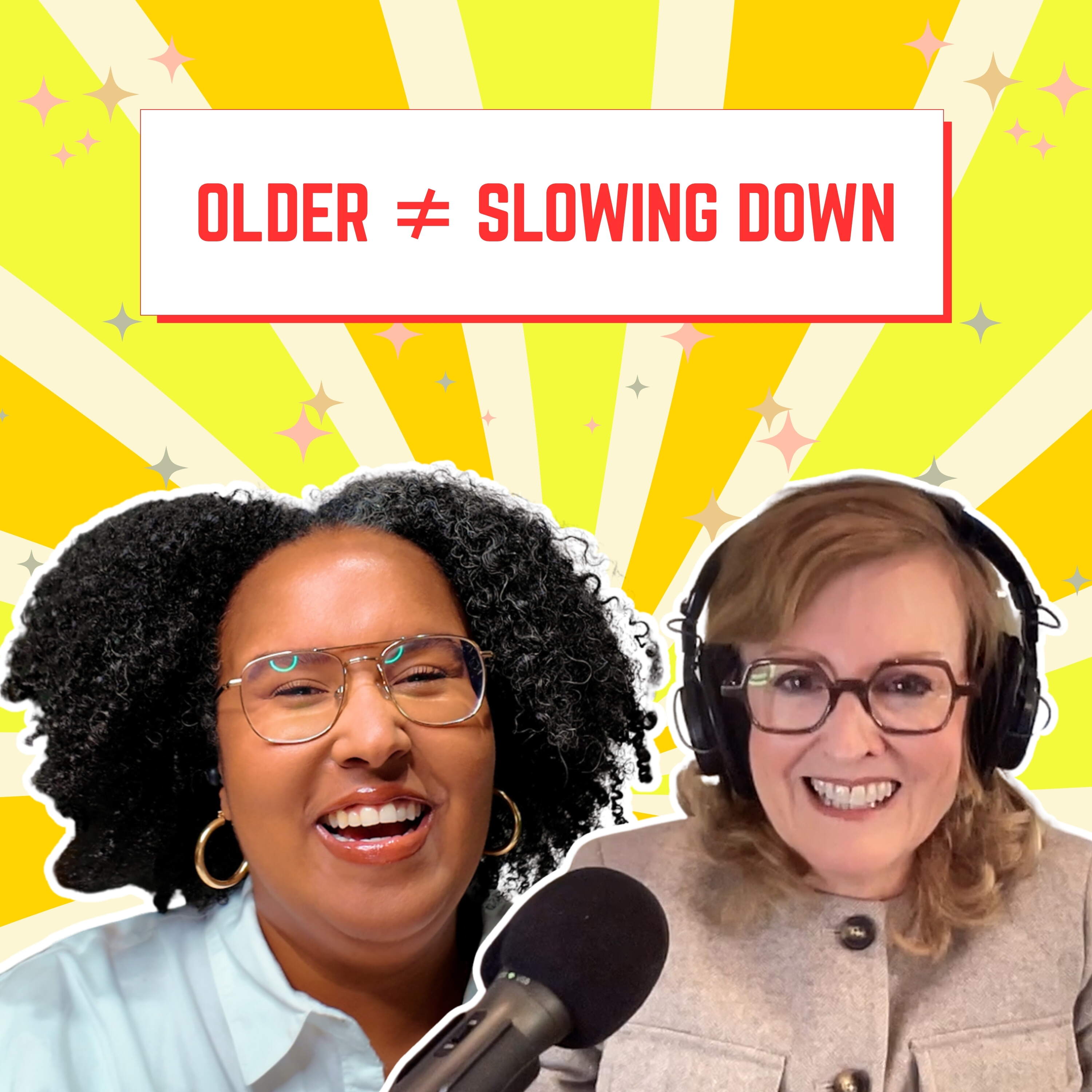
Overview of Middle age doesn’t need to be a crisis
In this NPR conversation, Brittany Luse speaks with health and science reporter Allison Aubrey about her new book and podcast, Your Turn: How to Create a Midlife You Love. The episode reframes midlife not as a crisis, but as a period of reassessment, creativity, and intentional change. Aubrey shares how her own reporting on aging led her to examine her biological age, purpose, flow, and the cultural scripts that shape how we think about getting older.
Core Themes
Midlife is a reassessment, not a breakdown
- Aubrey argues that “midlife crisis” is often the wrong frame.
- She sees midlife as a chance to ask:
- What do I value now?
- What am I curious about?
- What parts of myself have I set aside?
- Instead of a dramatic “pivot,” she describes midlife change as a slow crossfade.
Purpose matters as much as freedom
- Aubrey notes that people who leave work or retire often enjoy travel and relief at first.
- But many struggle if they don’t replace work-based purpose with something meaningful.
- Her key point: humans need meaning, and that meaning can come from many places:
- creative work
- volunteering
- community involvement
- learning new skills
- caregiving and mentoring
Midlife is about returning to yourself
- Aubrey says she realized she had drifted away from the more playful, joyful parts of herself.
- She describes reconnecting with her younger self: curious, goofy, unguarded, and creative.
- The goal is not reinvention for its own sake, but reclaiming parts of yourself that were buried by work, family, and pressure.
Key Stories and Examples
The “grim age” test changed how Aubrey thought about aging
- While reporting on longevity research, Aubrey volunteered for a blood test that estimates biological age.
- The experience made her realize she wasn’t just covering aging—she was aging.
- This became a turning point in how she thought about midlife and her own body.
“The Weed Warriors” as a model of meaningful reinvention
- Aubrey met a woman named Catherine who leads a local volunteer group removing invasive vines from trees.
- Catherine redirected her scientific knowledge into civic purpose and community action.
- Aubrey uses this example to show that midlife reinvention doesn’t have to be grand or flashy:
- small acts can matter
- local community can be enough
- purpose can be built with others
The violin vs. fiddle story
- Aubrey tells the story of a woman who left perfectionist violin performance behind and found joy in fiddle music.
- The same instrument, she says, but a different attitude.
- The lesson:
- you may not need new talents
- you may just need a new mindset
- midlife can be about playing with more freedom, not more perfection
Flow, Creativity, and Aging Well
What “flow” means in this stage of life
Aubrey defines flow as being so absorbed in an activity that:
- time disappears
- anxiety about the future fades
- the past stops intruding
- you feel connected to something larger than yourself
Examples she gives include:
- music
- sports
- cooking
- Mahjong
- gardening
- art
Creativity is central to healthy aging
- Aubrey draws a line between creativity and well-being.
- She cites research suggesting that engaging in the arts is associated with slower biological aging.
- Her takeaway: creative practice may be as important to aging well as exercise.
Practical Takeaways
Her advice for people entering midlife
- Don’t blow up your life.
- Don’t assume you need a dramatic reinvention.
- Instead:
- Go inward — identify your values and what you miss.
- Go outward — find people who share those interests.
- Start small — even 30 minutes a week can matter.
- Follow the nagging feeling — if something keeps calling to you, explore it.
Use the VIA Character Strengths Survey
- Aubrey recommends the free VIA survey as a tool for self-discovery.
- It helps people identify their strongest traits, such as:
- curiosity
- love of learning
- zest
- gratitude
- appreciation of beauty
- If a strength you value is ranking low, that can be a clue that it needs more attention in your life.
Reconsider the cultural script
Aubrey pushes back on the idea that life is just:
- learn
- earn
- retire
Instead, she suggests:
- learn
- earn
- return
“Return” means:
- returning to creativity
- returning to community
- returning to joy
- returning to wisdom-sharing and legacy-building
Notable Insights
- “Culture does not happen by accident.”
- Midlife anxiety is often shaped by social expectations, especially for women.
- Many people feel pressure to keep raising the bar and never feel “enough.”
- Aubrey argues that aging should be seen as an art form:
- something practiced
- something shaped over time
- something you can do well with intention
Main Takeaway
The episode’s central message is that midlife does not have to be defined by crisis, decline, or reinvention through exhaustion. Instead, it can be a season of rediscovery: reconnecting with purpose, rebuilding flow, using your strengths, and making room for creativity, community, and joy.