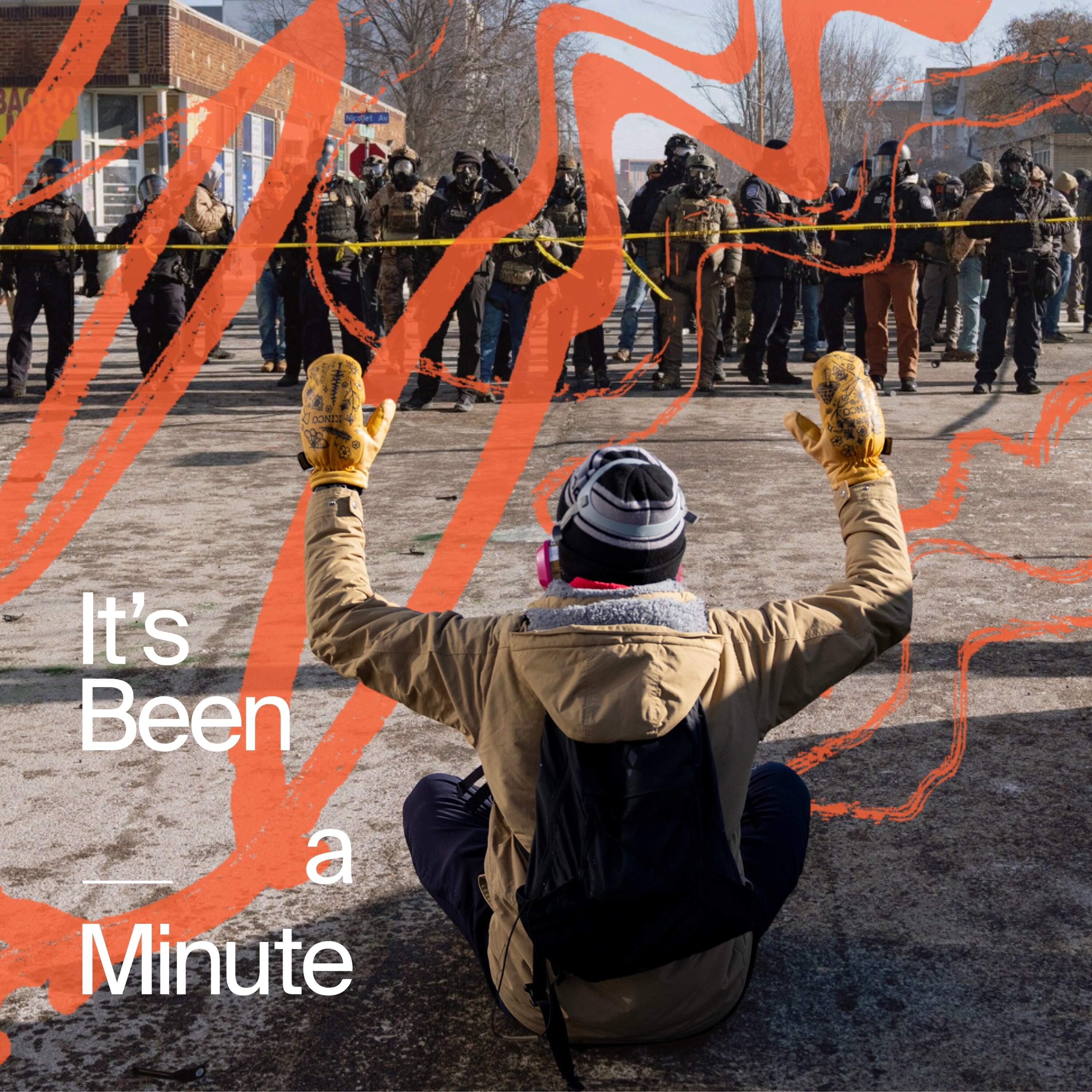
Overview of It's Been a Minute — episode: "The biggest threat to Trump? Ordinary people"
This NPR episode (host Brittany Luce) features an on-the-ground interview with Adam Serwer (staff writer, The Atlantic) about community resistance to ICE operations in Minneapolis. It focuses on how ordinary people—through recording, organizing, and nonviolent civic tactics—have pushed back against federal immigration enforcement, and how video evidence has exposed stark differences between what the public sees and how the administration describes events.
Key points and main takeaways
- Cell-phone and citizen video are the primary tools of accountability when federal oversight is absent or weakened. Community recording has revealed confrontations between ICE/Border Patrol and residents.
- Ordinary, nonviolent civic organizing (legal trainings, observation, mutual aid) has been effective in disrupting ICE operations and protecting neighbors.
- There is a clear information divide: government statements about incidents often contradict what videos show. Mainstream newsrooms and some outlets are responding with detailed verification (e.g., shot-by-shot analyses).
- The rise of AI and deepfake fears fuels public distrust and makes it easier for people to dismiss incriminating footage—complicating truth verification.
- The tactics used in Minneapolis build on earlier protest strategies (e.g., post–George Floyd organizing) and have been adapted to defend immigrant communities.
Topics discussed
- The killing of a Minneapolis resident identified in the episode as Alex Preddy (transcript spelling varies) during an encounter with Border Patrol; cellphone footage captured the incident.
- The role of community observers: following ICE, tracking vehicles, maintaining databases of verified license plates, blowing whistles/honking to warn neighbors, and providing food and shelter to those hiding.
- Claims by administration officials (including Vice President J.D. Vance) about "absolute immunity" for officers and descriptions of protesters as "engineered chaos," and legal experts’ disagreement with those claims.
- Racial profiling concerns: Minneapolis’s large Somali, Hmong, and Latinx communities fear being targeted; DHS denies profiling allegations.
- The information environment: government misinformation, journalistic verification challenges, and the complicating presence of AI-era skepticism.
Tactics and community practices described
- Legal trainings for civilians on rights when recording law enforcement and how to observe safely.
- Mobile observation teams: two-person cars (one listening to dispatches, one driving), running license plates, tracking vans with out-of-state plates suspected of being ICE.
- Audible public alerts (honks, whistles) to notify neighborhoods when ICE is nearby, often causing ICE to retreat to staging areas.
- Mutual aid operations: local organizations, churches, and neighbors providing food and support to people in hiding.
- Organized mass protests and business closures to demonstrate collective opposition.
Notable quotes and insights
- "The only measure of accountability that the people of Minnesota have is by recording these things when they happen."
- "The thing that has been most effective in standing up to Trump is ordinary people joining with other ordinary people to oppose what they're doing."
- On the informational era: the prevalence of AI makes people doubt what they see and easier to dismiss real evidence as fake—heightening cognitive dissonance.
- The Minneapolis response showcases a universalist neighbor-protection ethic: "Your neighbors are your neighbors, no matter where they were born."
Implications and what other cities can learn
- Local civic resistance can blunt federal enforcement actions when institutional oversight is weak.
- Tactics are transferable: training, coordinated observation, and mutual aid are models other cities can adopt.
- State and local policymakers may pursue legal reforms or oversight, but community organizing remains a powerful immediate defense.
- Journalists and newsrooms need robust verification practices to counter official misinformation; citizens should be cautious but empowered to document abuses.
Practical recommendations (for listeners and local communities)
- Learn your legal rights about recording law enforcement and participate in local trainings.
- Support or volunteer with local mutual aid, immigrant-rights groups, and legal-defense organizations.
- If documenting incidents, prioritize safety (don’t escalate confrontations) and share verified footage with reputable news organizations or civil-rights groups.
- For advocates: push for legislative oversight of DHS actions and greater transparency in federal enforcement.
Credits & further reading
- Interviewee: Adam Serwer, staff writer at The Atlantic (see his article referenced in the episode: "Minnesota Proved MAGA Wrong" — check The Atlantic for the exact title and spelling).
- Episode host: Brittany Luce; show: It's Been a Minute (NPR).
- Note: Some proper names in the transcript (e.g., individuals involved in incidents) appear with varying spellings; consult original reporting for authoritative spellings and legal details.