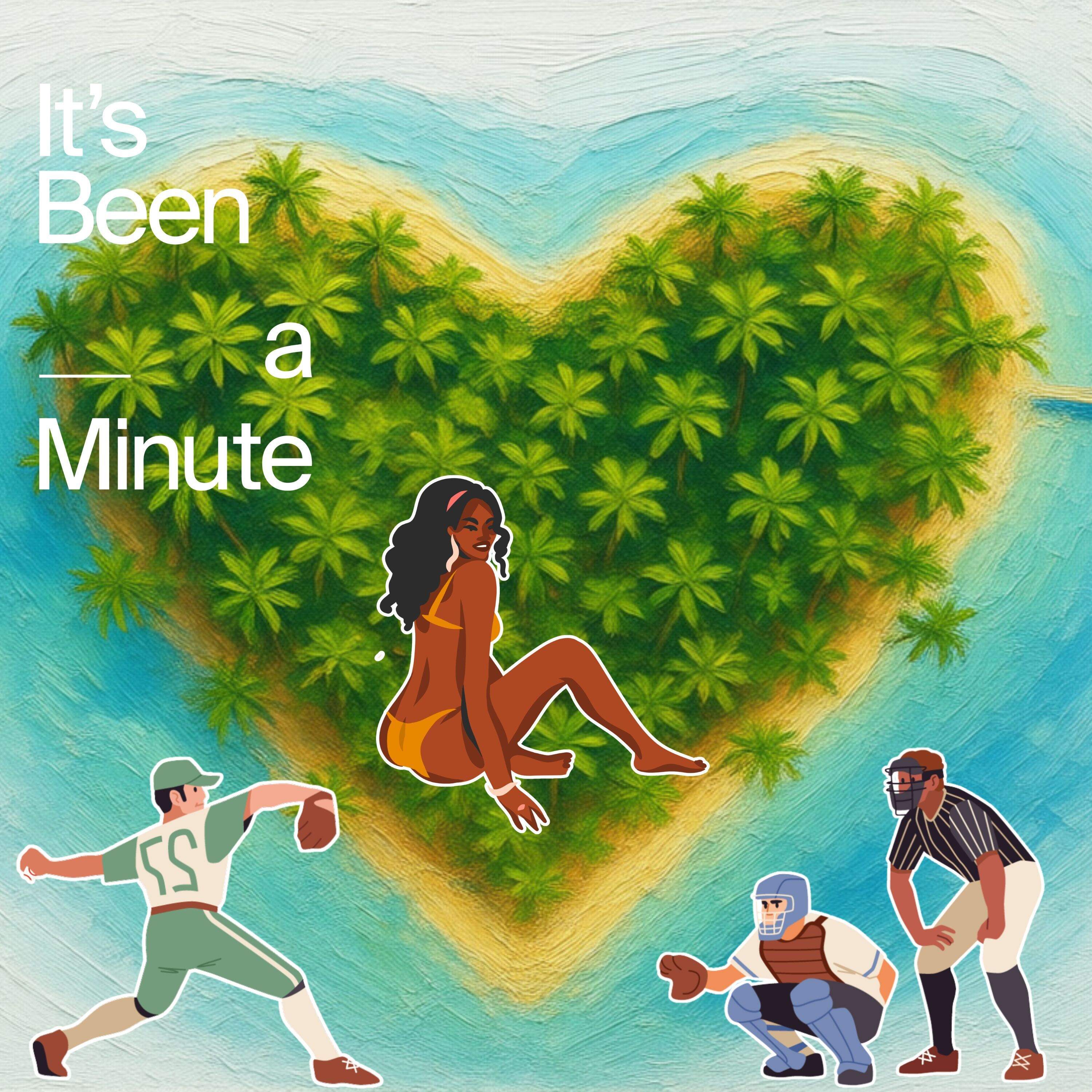
Overview of It's Been a Minute from NPR
In this episode, host Brittany Luse talks with writer and Defector co-owner Kelsey McKinney about a surprisingly compelling idea: Love Island functions a lot like sports. The conversation explores how both create daily ritual, team loyalty, heated debate, and shared cultural conversation. Along the way, they also dig into fandom, gender, and why some forms of pop culture feel more “serious” than others even when they’re built on the same basic human impulse: rooting for people together.
Why Love Island Feels Like Sports
Kelsey McKinney explains that her realization came from being a baseball fan first. Baseball, with its 162-game season, creates room for ongoing storylines, player attachment, and daily habit—just like Love Island does.
Shared traits they identify:
- Near-daily content that encourages routine viewing
- Highlight shows / recap culture
- Strong parasocial attachment to players or contestants
- Team-based emotional investment
- Room for gossip, narrative, and “plotlines” beyond stats or formal rules
McKinney argues that both sports and Love Island are less about pure competition and more about watching personalities develop over time.
Fandom, Ritual, and Community
A big theme of the conversation is that both sports and reality TV create community through repetition. Because the content is so frequent, people naturally talk about it with others—online, at work, in bars, or in person.
What makes that powerful:
- It gives people a shared topic to bond over
- It encourages real-world conversation instead of isolated viewing
- It creates moments of collective excitement, like high-fiving strangers
- It helps people feel part of a “team,” whether that team is a sports fan base or a Love Island audience
McKinney pushes back on the idea that television always isolates people, arguing that some shows actually pull people into public life.
Gender, Access, and Who Gets to Care
The episode also makes a broader point about how sports and reality TV are often treated as gendered spaces:
- Sports are often coded as masculine
- Reality TV and gossip are often coded as feminine
- In reality, many men watch Love Island and many women watch sports
McKinney argues that these cultural boxes are limiting and misleading. She notes that:
- Sports fandom can feel exclusive, especially to women
- The rise of the WNBA as a cultural force reflects changing attitudes
- The same curiosity and emotional investment that drives gossip also drives sports fandom
Her larger point: people are often separated by labels more than by actual taste.
Notable Takeaways
“Adopt a terrible little son”
McKinney describes a way to get into sports by picking a player to root for emotionally, even if they’re not the best on the field. The point is that fandom is often about caring about people, not just performance.
Shared joy matters
The episode ends on the idea that community forms through fun, not purity. Sports and Love Island are not morally perfect, but they are enjoyable—and that enjoyment is a real cultural force.
Main Conclusion
The episode argues that sports and Love Island are both social rituals built around daily engagement, personality-driven storytelling, and communal rooting interests. By noticing their similarities, McKinney and Luse suggest that culture is often more connected than our usual categories imply—and that part of the pleasure of both is simply being in on the conversation.