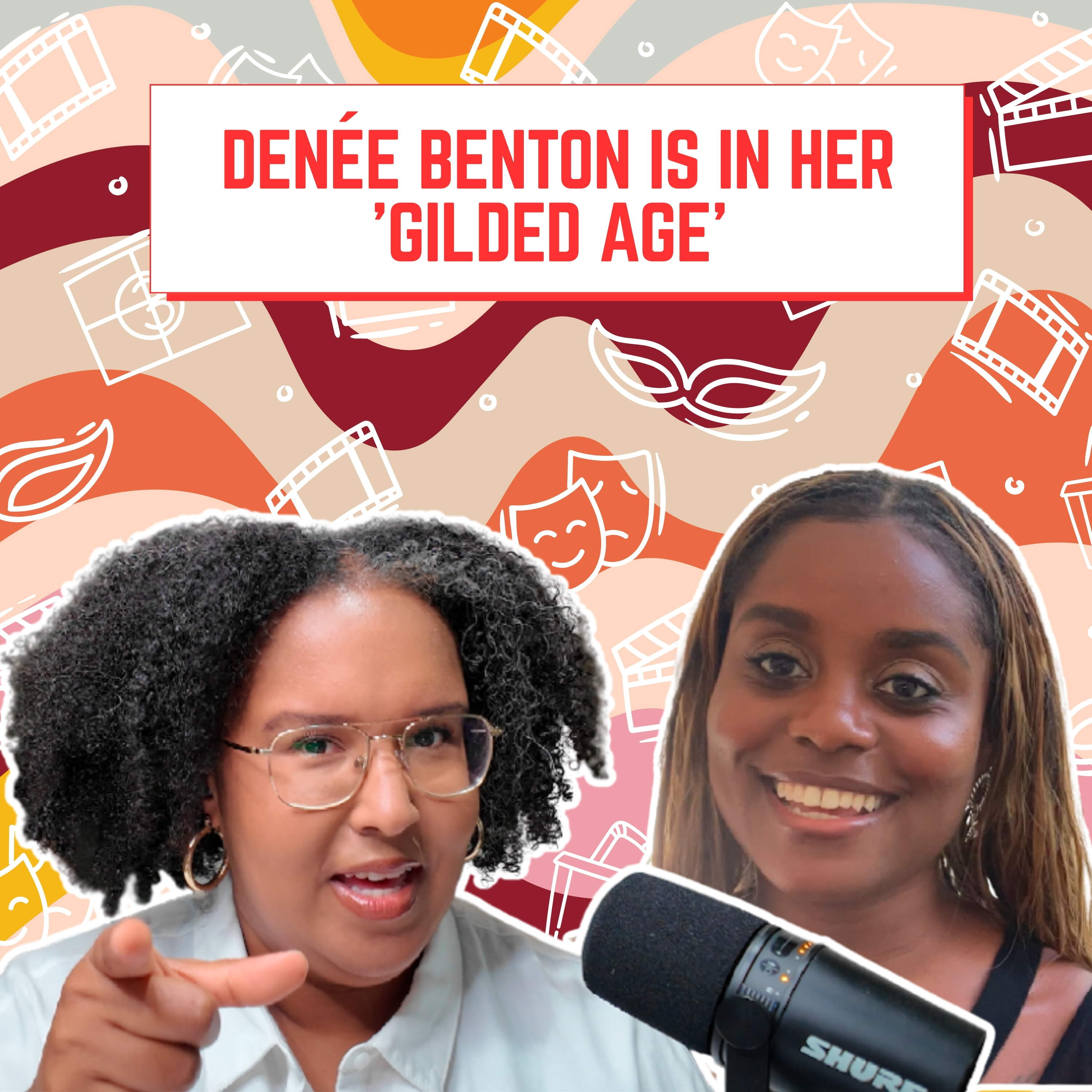
Overview of NPR's interview with Denée Benton
In this NPR It’s Been a Minute conversation, actress Denée Benton reflects on a standout year across Broadway, TV, and film, including her roles in The Gilded Age, School Girls; Or, the African Mean Girls Play, and Dreams and Nightmares. The interview centers on her craft, the cultural specificity of the Black women she plays, and the deeper themes connecting her work: ambition, desire, beauty standards, freedom, and the long game of building a lasting career.
Main Topics Discussed
The Gilded Age and Peggy Scott’s evolution
- Benton stars as Peggy Scott, a Black journalist in the late 1800s.
- She says she pushed early for Peggy’s storyline to be expanded, trusting that the character represented something new and important on television.
- Peggy’s arc in season four includes:
- publishing a book
- planning a wedding
- navigating a relationship with an ambitious doctor
- balancing love, career, and family expectations
- Benton notes that viewers strongly connect with Peggy because she embodies a familiar modern struggle: trying to “live, love, and have it all.”
Playing Paulina in School Girls; Or, the African Mean Girls Play
- Benton describes Paulina as a complicated “queen bee” figure: talented, bitter, ambitious, and sometimes cruel.
- She says the character’s meanness makes sense because Paulina has grown up in a world shaped by colorism, class, and exclusion.
- The role made Benton think more deeply about:
- how beauty standards still operate
- how Black girls are judged differently
- how “mean girl” behavior changes depending on culture and context
- She and the interviewer discuss how the play’s Black girlhood specificity makes it feel fresh and real rather than derivative of white teen-movie tropes.
Dreams and Nightmares and collaborative filmmaking
- Benton says the film was especially meaningful and healing.
- She plays Z, a writer and professor dealing with identity, queerness, and perfectionism.
- She praises the director’s collaborative process, which involved improvisation and building the script from the actors’ real ideas and experiences.
- Benton values the film’s quiet, poetic, and non-commercial feel, especially as a Black queer story that doesn’t over-explain itself.
Acting across stage, TV, and film
- Benton explains that each medium demands a different kind of preparation:
- Theater requires stamina and athletic discipline.
- Film/TV requires stillness and precision, especially with the camera close up.
- Stylized period drama like The Gilded Age blends both.
- She emphasizes that moving between mediums is part of her dream as an actor.
Key Ideas and Takeaways
Her roles are linked by a common theme: desire
- Benton sees Peggy, Paulina, and Z as women who are “ravenous with desire.”
- Each character wants something deeply and refuses to settle.
- She connects that hunger to her own life and career: a refusal to shrink, wait quietly, or accept limited possibilities.
Freedom means bodily and sensory ease
- When asked what freedom means to her personally, Benton says it is:
- building a life her body feels good in
- having room for pleasure, health, and arousal
- creating a life that feels good to the senses
- She contrasts that with the survival-focused lives of the women who raised her, saying that her pursuit of joy is a “holy and sacred” one.
She values cultural specificity
- Benton repeatedly stresses the importance of telling Black stories with precision and truth.
- She is interested in roles that feel rooted in real social and historical conditions rather than generic archetypes.
- She believes specificity is what makes performances “crackle and sparkle.”
Notable Insights
- Benton says she “played the long game,” and now her career is finally culminating in a way her younger self couldn’t have planned.
- She jokes that physically, she is exhausted and needs rest, even while emotionally she feels grateful and fulfilled.
- She describes her 30s as a kind of “Phoenix Rising” era after years of growth, struggle, and self-trust.
- She sees acting not just as performance, but as a way to explore taboo, ambition, and personal transformation.
Bottom Line
This interview presents Denée Benton as an artist whose work is united by a clear throughline: Black women who want more, refuse to be confined, and are trying to build freer lives. Whether she’s playing a journalist, a teen “mean girl,” or a queer writer, Benton brings depth, specificity, and a strong sense of purpose to every role.