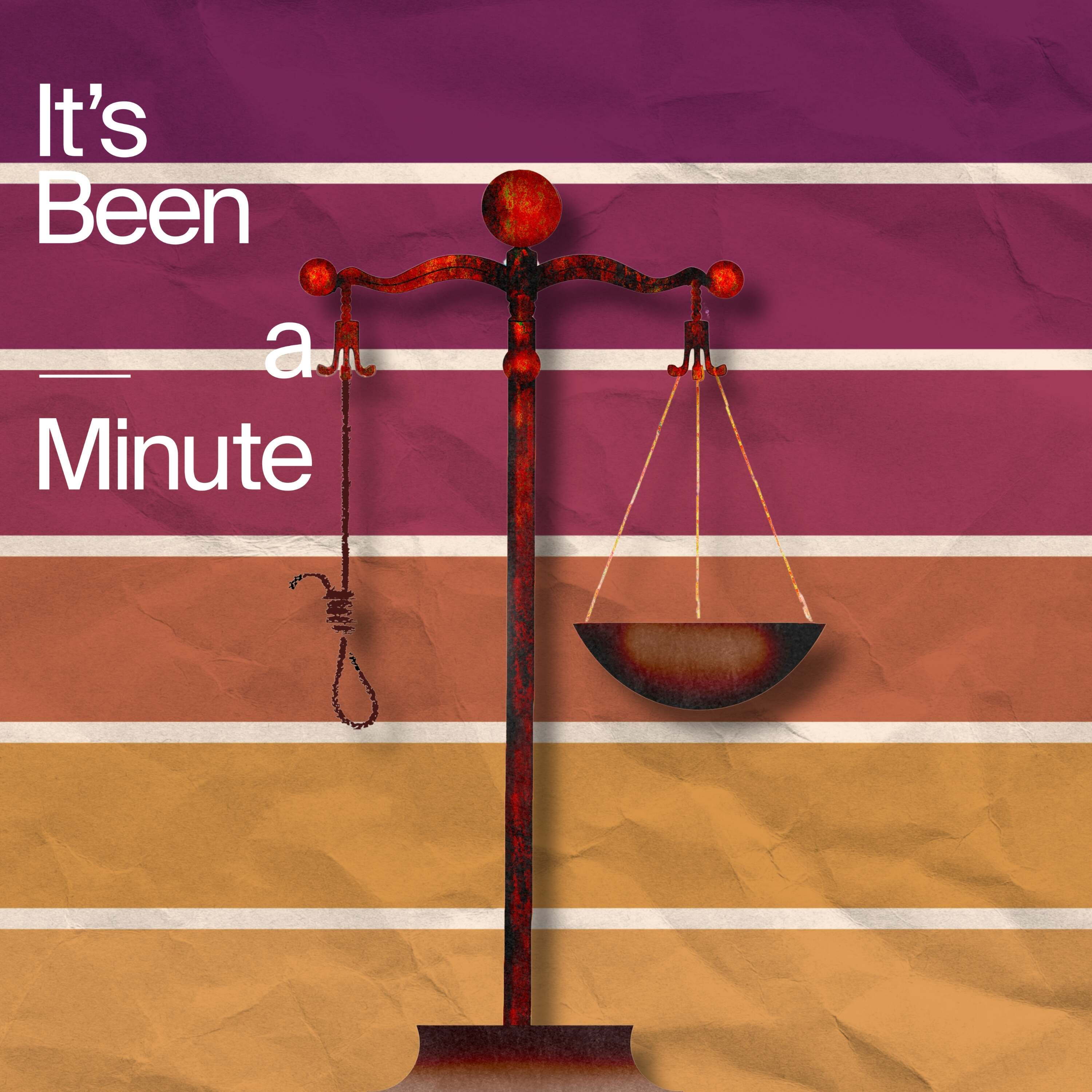
Overview of NPR’s It’s Been a Minute episode “Do We Need the Death Penalty?”
Host Brittany Luce speaks with legal scholar Nguzi Ndalu and historian Michael Trotti about why the death penalty remains in use in the United States despite declining public support. They examine recent execution controversies, the punishment’s history and racial dimensions, and what capital punishment says about the kind of justice the country wants.
Why executions can rise as support declines
Ndalu explains that execution numbers reflect decisions made years or decades earlier: many people being executed today were sentenced during the 1990s, when death sentences were more common. Pandemic disruptions and the priorities of individual state leaders can also affect how many executions take place in a given year. Current public opinion, in other words, does not directly determine current execution rates.
Reliability, deterrence and the cost of error
Failed lethal injections draw attention to the secrecy around execution procedures, including where drugs come from and who carries them out. Ndalu argues that these problems undermine confidence in a punishment that cannot be reversed. Trotti adds that wrongful convictions are another grave failure, and that execution methods have sometimes gone wrong throughout U.S. history.
The guests also challenge the idea that capital punishment makes people safer. Ndalu says research has not shown that the death penalty deters murder, and notes that states without it have had lower murder rates. Trotti suggests that the punishment can serve political purposes or express retribution without clearly improving public safety.
Race, spectacle and the story of execution
Trotti describes the South’s death penalty history as deeply tied to racial control. He says African Americans made up about 80% of people executed in the South in the late 19th and early 20th centuries, a proportion comparable to their share of people lynched there. He connects that history to present disparities on death row and to political appeals to being “tough on crime.”
The guests also discuss execution as public spectacle. Public executions were common in early U.S. history, but many states moved them behind closed doors in the 19th century. Ndalu says modern lethal injection is presented with medical trappings and solemn ceremony that can make state killing appear legitimate. Both guests note that once an execution becomes public, its meaning can escape officials’ control: images of violence have been used to reinforce power, but also to expose brutality.
The choices facing the United States
The guests place capital punishment within a broader pattern of high incarceration in the United States. Ndalu points to past state-level abolition efforts and says the country faces a choice between expanding punishment and investing more in crime prevention. The episode leaves listeners with a central question: whether the death penalty fits the country’s stated commitments to human dignity, fairness and justice.