Overview of Books can teach you to love yourself. If you let them.
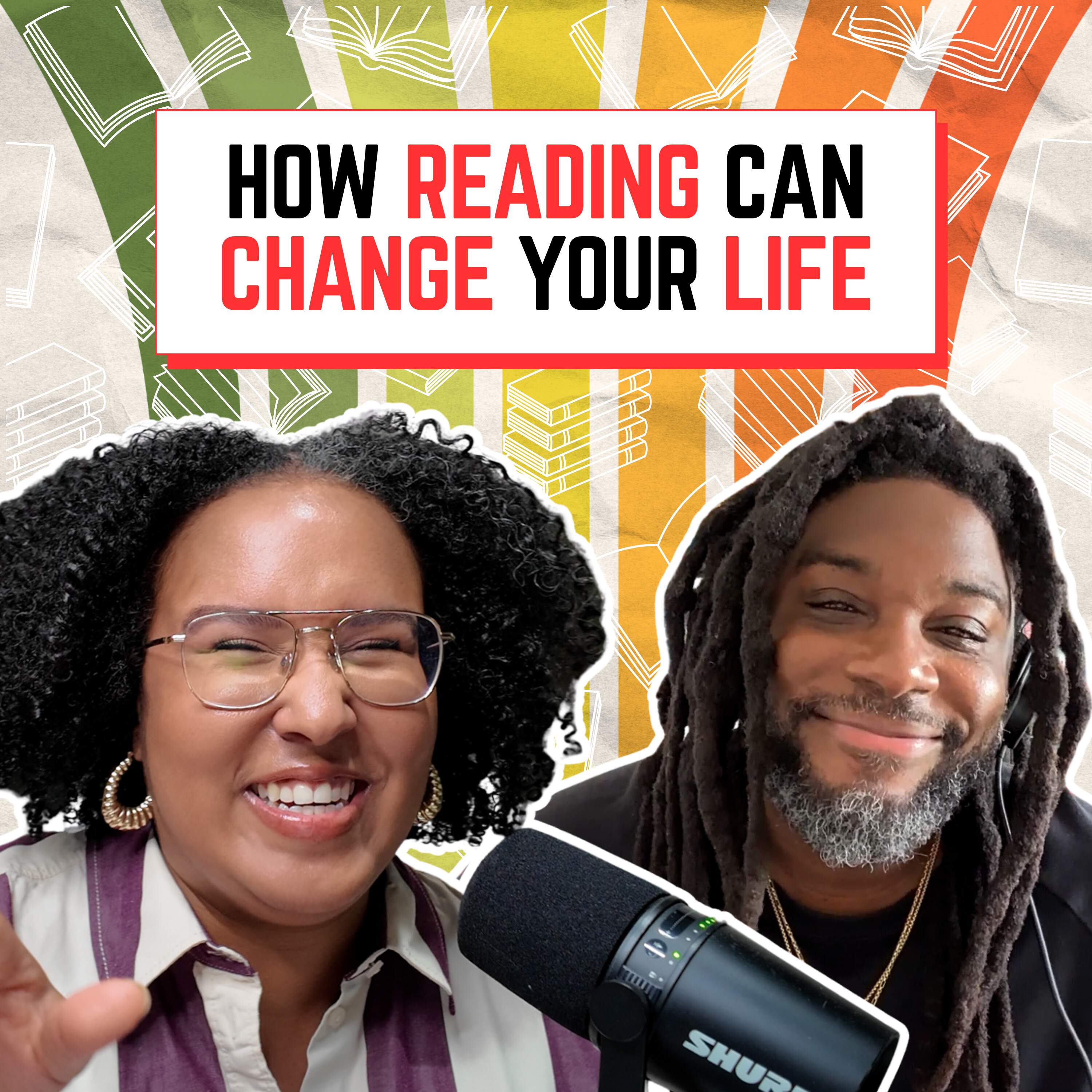
In this NPR It’s Been a Minute conversation, host Brittany Luse speaks with author Jason Reynolds about why fiction matters, how young readers engage with stories, and what boys and men can learn from reading. Reynolds argues that books—especially novels—help people practice empathy, self-awareness, and emotional honesty. He also makes a case for valuing literacy over literary prestige, and for treating friendship and vulnerability as essential parts of boyhood and manhood.
Key Topics Discussed
Why Reynolds writes for young people
- Reynolds explains that he didn’t set out to write for children or teens; he started writing young, and his voice naturally leaned young.
- He initially felt insulted when his work was labeled “young adult,” but that changed after visiting a library and talking with kids.
- That experience showed him his work felt useful and purposeful, especially in direct conversation with readers.
What makes young readers unique
- Reynolds says middle-grade readers, especially ages 9–13, are in a formative “in-between” stage.
- They still have childlike openness, but also enough self-awareness to ask serious, complicated questions.
- He values their lack of self-consciousness and their willingness to engage honestly with difficult topics.
Bridging the gap between adults and young people
- Reynolds argues that adults should remember how they approached connection as children: through wonder, curiosity, imagination, and persistence.
- He frames “bridge-building” as an act of creativity—connecting one thing to another and believing the connection is possible.
- That same mindset, he says, helps adults relate to kids and teens more effectively.
Boyhood, masculinity, and emotional range
- Reynolds says one of his main goals is to remind boys that they are human.
- He rejects the idea that masculinity should mean emotional silence or rigidity.
- Instead, he believes boys should be allowed to feel laughter, fear, courage, insecurity, and tears all at once.
- He connects the “strong, silent type” to fear and a lack of vocabulary, not strength.
The importance of friendship
- Reynolds calls friendship the most underrated and most valuable relationship in life.
- He says his friends helped him believe in himself and gave him space to admit fear without judgment.
- For young boys especially, he wants friendships to be about honesty, support, and mutual care—not just loyalty in conflict.
- He strongly pushes back on the idea that real brotherhood means sacrificing yourself or letting a friend take the fall.
Literacy, reading, and the role of books
- Reynolds distinguishes between valuing the novel and valuing reading itself.
- He argues that literacy matters more than preserving any one format.
- He supports short stories, poetry, folk tales, and other forms as valid and powerful ways to build reading skills and imagination.
- He believes kids should be exposed to a wide range of texts, including poetry by Mary Oliver and other short, memorable works.
Fiction’s value for men and boys
- Reynolds says fiction helps people understand complexity, emotion, and change.
- He believes novels can “humanize everything” and show readers how to love, feel, and fight.
- Fiction gives readers a snapshot of their own potential because characters can transform over the course of a book.
- He argues that many men over-index on self-protective, competitive thinking when what they really need is self-understanding and emotional language.
Main Takeaways
-
Fiction builds empathy and self-knowledge.
- Reynolds sees novels as a space where readers can experience emotional and intellectual growth in a short span of time.
-
Boys need permission to feel.
- His work pushes back against narrow masculinity by normalizing vulnerability, fear, tenderness, and introspection.
-
Friendship is a powerful form of love.
- He views close friendships as foundational to identity and emotional survival.
-
Literacy matters more than format.
- Reynolds wants more focus on helping kids read and think critically, regardless of whether the material is a novel, poem, short story, or song lyric.
-
Books are not the enemy of modern life.
- He suggests that reading still has cultural power and may become even cooler as society continues to rediscover it.
Notable Insights
“The goal is to remind young boys that they’re human.”
“Friendship is the most underrated relationship and yet the most valuable in our lives.”
“What fiction does is it humanizes everything.”
“I’m trying to figure out how to get you to love yourself.”
Closing Reflection
The interview ultimately frames reading as more than an academic skill: it’s a pathway to empathy, identity, and emotional freedom. Reynolds’ central message is that fiction can help both kids and adults become more fully human—if they’re willing to let it.