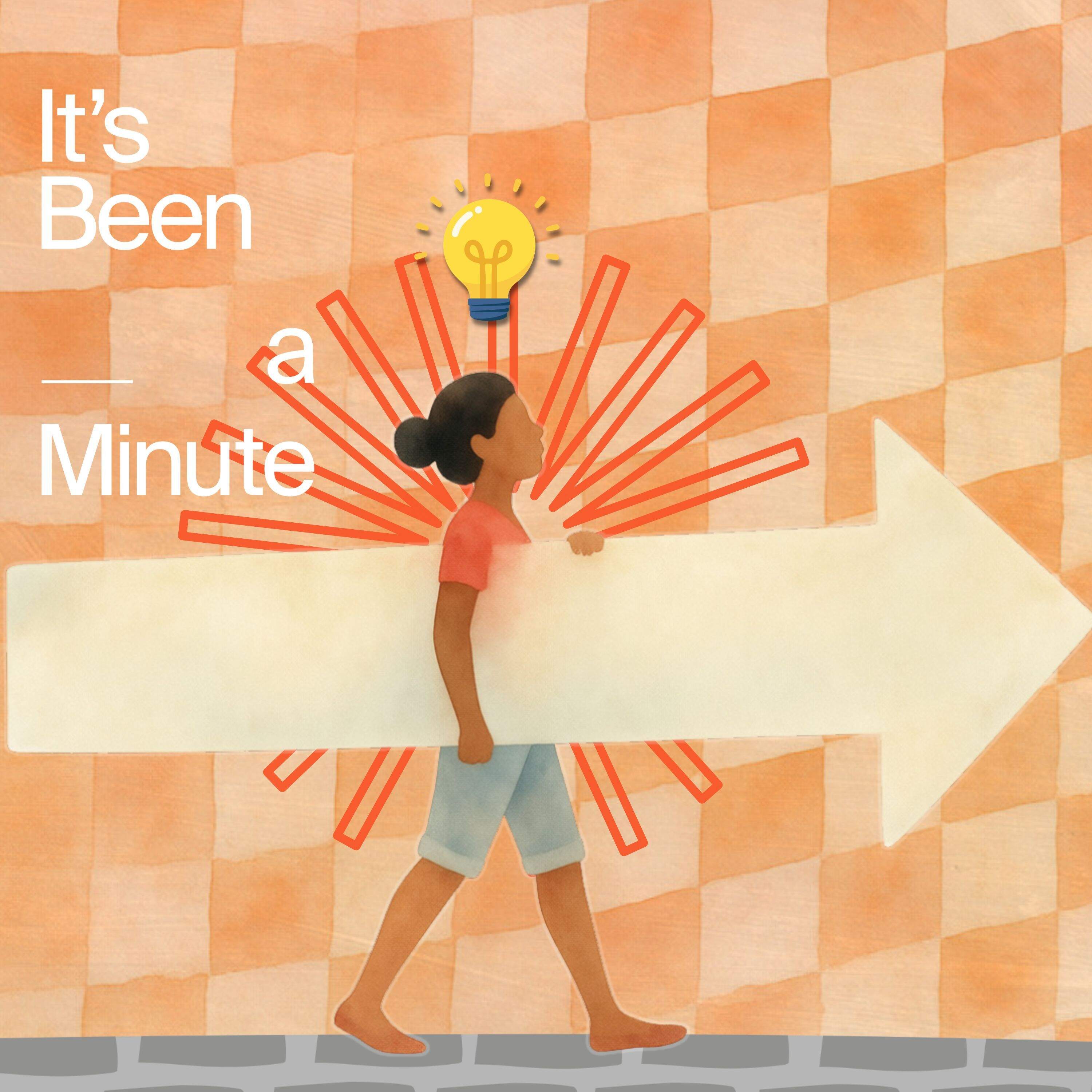
Overview of NPR’s “Are you a ‘high agency’ person?”
This episode of NPR’s It’s Been a Minute explores the buzzy concept of being “high agency”—a term popular in tech, self-help, and social media that suggests decisiveness, self-reliance, risk-taking, and the ability to shape your own life rather than passively accept circumstances. Host Brittany Luse speaks with Sophie Haigney (journalist and critic) and Max Read (journalist and editor) about why the idea is suddenly everywhere, what it says about our cultural moment, and where it becomes useful, misleading, or even dangerous.
What “high agency” means
The guests frame “high agency” as a mix of traits and behaviors, including:
- Taking initiative without waiting for permission
- Being decisive and self-assured
- Taking risks and acting independently
- Seeing yourself as the driver of your life
The phrase has spread through Silicon Valley, tech culture, and social media, often appearing in posts like “you can just do things” or “remember you have free will.”
Why the idea is so popular right now
The episode argues that “high agency” resonates because it responds to several modern anxieties:
Reaction to structural forces
People are increasingly aware of forces beyond their control:
- Pandemic fallout
- Layoffs and job insecurity
- Housing unaffordability
- Broader systemic inequalities
In that context, “agency” becomes a way to reclaim a sense of control when life feels unstable.
Backlash to “structural” thinking
The guests also suggest it may be a reaction against earlier frameworks that emphasized systems like:
- Racism
- Misogyny
- Economic inequality
- Academic “pessimism” or “black pill” thinking
For some, focusing too much on structure can feel paralyzing, while agency offers a more empowering, individual-centered alternative.
Tech and AI overlap
A major theme is the irony that “agency” is gaining popularity at the same time as “agentic AI”—AI tools designed to do tasks independently. The episode notes the overlap as symbolic: humans are insisting they are “high agency” just as machines are becoming more autonomous.
Where the concept becomes complicated
The conversation is largely skeptical of how the term is used in tech and online culture.
It can become empty self-branding
If everyone claims to be “high agency,” the phrase can lose meaning and turn into a status signal rather than a real quality.
It can flatten moral judgment
The guests note that “high agency” sometimes replaces older, more morally loaded words like:
- Courage
- Bravery
- Resourcefulness
- Integrity
That matters because “agency” can describe action without asking whether the action is good or harmful.
It can justify reckless behavior
The episode points out that some people use “high agency” to valorize risky financial behavior, including:
- Day trading
- Speculation
- Gambling-adjacent “side hustles”
- Overconfidence in markets and prediction platforms
The critique: the people pushing these ideas often profit most, while others take the losses.
A healthier version of agency
The episode also highlights a more grounded, constructive version of the concept:
- Sewing a button back on instead of replacing the shirt
- Learning to cook instead of relying on delivery apps
- Choosing inconvenience when it leads to greater independence
- Making deliberate choices that build skill and resilience
In this sense, agency is about resourcefulness, self-sufficiency, and choosing hard-but-worthwhile paths, not just hustling or taking reckless risks.
Key takeaways
- “High agency” is a trendy term for self-directed, decisive, independent behavior.
- It has become especially popular in tech culture, where it often overlaps with startup mentality and AI discourse.
- The rise of the term reflects economic insecurity, post-pandemic uncertainty, and frustration with structural constraints.
- The concept can be empowering when it means resourcefulness and initiative.
- It becomes problematic when it is used to glorify risk for its own sake or to avoid discussing moral and structural realities.
Notable insight
One of the episode’s sharpest points is that agency without values can be hollow: being able to act is not the same as acting well. The guests suggest that the question should not just be “How much control do I have?” but also “What am I using that control for?”