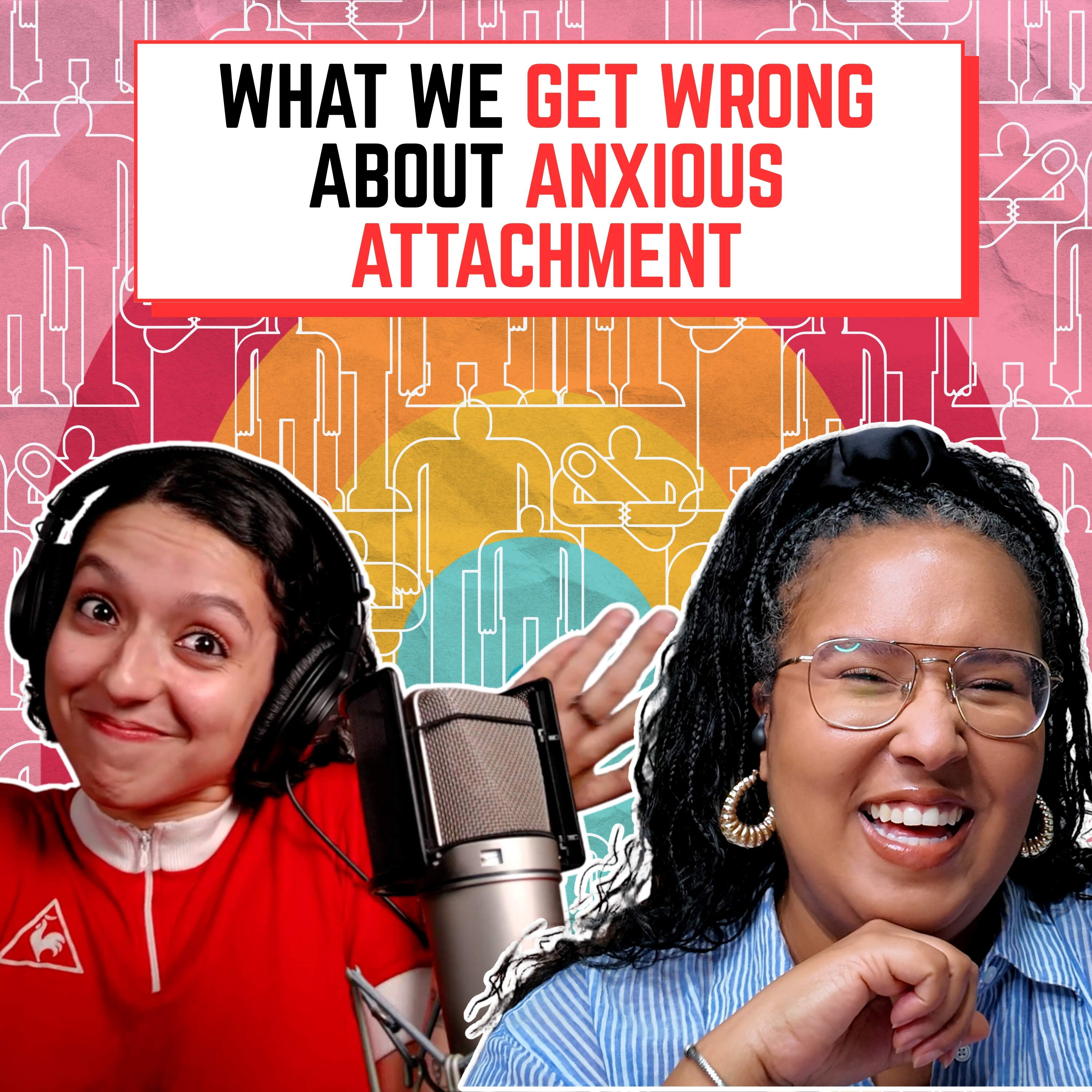
Overview of “Anxious attachment” is popular. But is it real?
This NPR It’s Been a Minute episode examines why attachment theory has become so popular on TikTok and Instagram, especially in dating and breakup content, and asks whether the online version matches the psychology. Host Brittany Luce, producer Manuela Lopez-Restrepo, journalist Tatum Hunter, and psychologist Dr. Marissa G. Franco agree that attachment theory is real and useful, but often oversimplified, monetized, and weaponized online in ways that can create shame and confusion rather than insight.
What attachment theory is
Attachment theory is the idea that early relationships with caregivers shape how we relate to others later in life.
The main attachment styles discussed
- Secure attachment: Care was consistent and reliable; people tend to trust relationships, regulate emotions better, and connect more easily.
- Anxious attachment: Care was inconsistent; people may fear abandonment, overread rejection, and work hard for reassurance.
- Avoidant attachment: Care was emotionally unavailable or dismissive; people may keep distance, resist intimacy, and pull away when closeness increases.
- Disorganized attachment: Often linked to more severe or abusive experiences; people may swing between anxious and avoidant patterns.
Why it became such a big online topic
The guests argue that attachment language caught on because it gives people a label for confusing relationship experiences.
Why people are drawn to it
- It offers a way to make sense of dating patterns and emotional pain.
- It fits into a broader social-media trend of using identity labels to explain behavior.
- It can feel empowering at first because it gives a framework for “what’s wrong.”
Why creators love it
- It’s highly engaging content: people click, watch, and share when they feel seen or alarmed.
- It can be monetized through courses, coaching, subscriptions, and “fix your attachment style” content.
- Extreme or fear-based framing tends to perform better than nuanced explanations.
What social media gets wrong
The episode makes a strong case that online attachment content often turns a helpful framework into a status game or a diagnostic shortcut.
Common distortions
- Treating attachment styles like permanent personality types.
- Turning “secure attachment” into a moral achievement or status symbol.
- Shaming people for having insecure patterns instead of asking what they need.
- Reducing complex relationship problems to one person’s “toxic” style.
- Encouraging people to self-diagnose from a short video rather than reflect, communicate, or seek help.
Why that can be harmful
- It can reinforce shame in anxious people, who already tend to blame themselves.
- It can oversimplify real relationship problems, including cheating, inconsistency, or incompatibility.
- It can keep people stuck in a loop of consuming content instead of getting actual support.
The “doom loop” effect on TikTok and other platforms
Tatum Hunter explains that mental health content is especially “sticky” in recommendation algorithms.
Key reporting insight
- Mental health videos are harder to “undo” in your feed than ordinary content.
- Once you engage with one, the algorithm tends to serve you more, creating a rabbit hole.
- What may start as helpful self-understanding can become overwhelming, repetitive, and less accurate over time.
Why this matters
- People may begin with genuine curiosity or concern.
- Over time, they can end up consuming lower-quality, more speculative content.
- For people with anxiety, depression, intrusive thoughts, or compulsive tendencies, this can make symptoms worse.
Can attachment styles change?
Yes, but the episode emphasizes that change is usually slow, contextual, and relational rather than instant.
Dr. Franco’s main points
- Attachment styles can vary across relationships.
- They are shaped by memory and expectation, not destiny.
- Because memories predict the future, people may react to new partners as if the old pattern is guaranteed to repeat.
- Healing can involve reparenting: revisiting painful memories and offering yourself the care, reassurance, or protection you didn’t receive before.
Important nuance
Dr. Franco says she doesn’t even advocate for people to be “secure” in a perfectionist sense—she advocates for being “secure-ish.” That means:
- acknowledging insecurity,
- showing yourself compassion,
- and reducing shame instead of trying to eliminate all vulnerability.
Practical advice shared in the episode
For people using social media for relationship or mental health advice
- Don’t treat a video as a diagnosis.
- Be cautious when content makes you feel ashamed, panicked, or “broken.”
- If a post helps you recognize a pattern, use it as a starting point—not the final answer.
- Step away from endless algorithmic consumption if it starts feeling like a spiral.
Better alternatives
- Talk to trusted friends or family in the real world.
- Seek professional help if available.
- Use online content for awareness, not replacement therapy.
- Reset your algorithm if mental health content becomes overwhelming.
Notable insights
-
“Secure attachment has become a status symbol.”
Dr. Franco argues that this framing adds shame instead of care. -
“Your mental health should not be commoditized and sold back to you.”
Tatum Hunter warns that social platforms profit from keeping people activated and engaged. -
Attachment theory is useful when it helps people care for each other better.
The most constructive use of the theory is understanding what reassurance, space, predictability, or communication different people need.
Bottom line
The episode doesn’t dismiss attachment theory—it defends it. The core idea is scientifically grounded and genuinely useful. The problem is how social media often turns it into:
- a shortcut for blame,
- a branding tool,
- or a never-ending self-improvement funnel.
The real takeaway is that attachment theory should help people become more compassionate, self-aware, and relational—not more ashamed, more sorted, or more trapped by the algorithm.