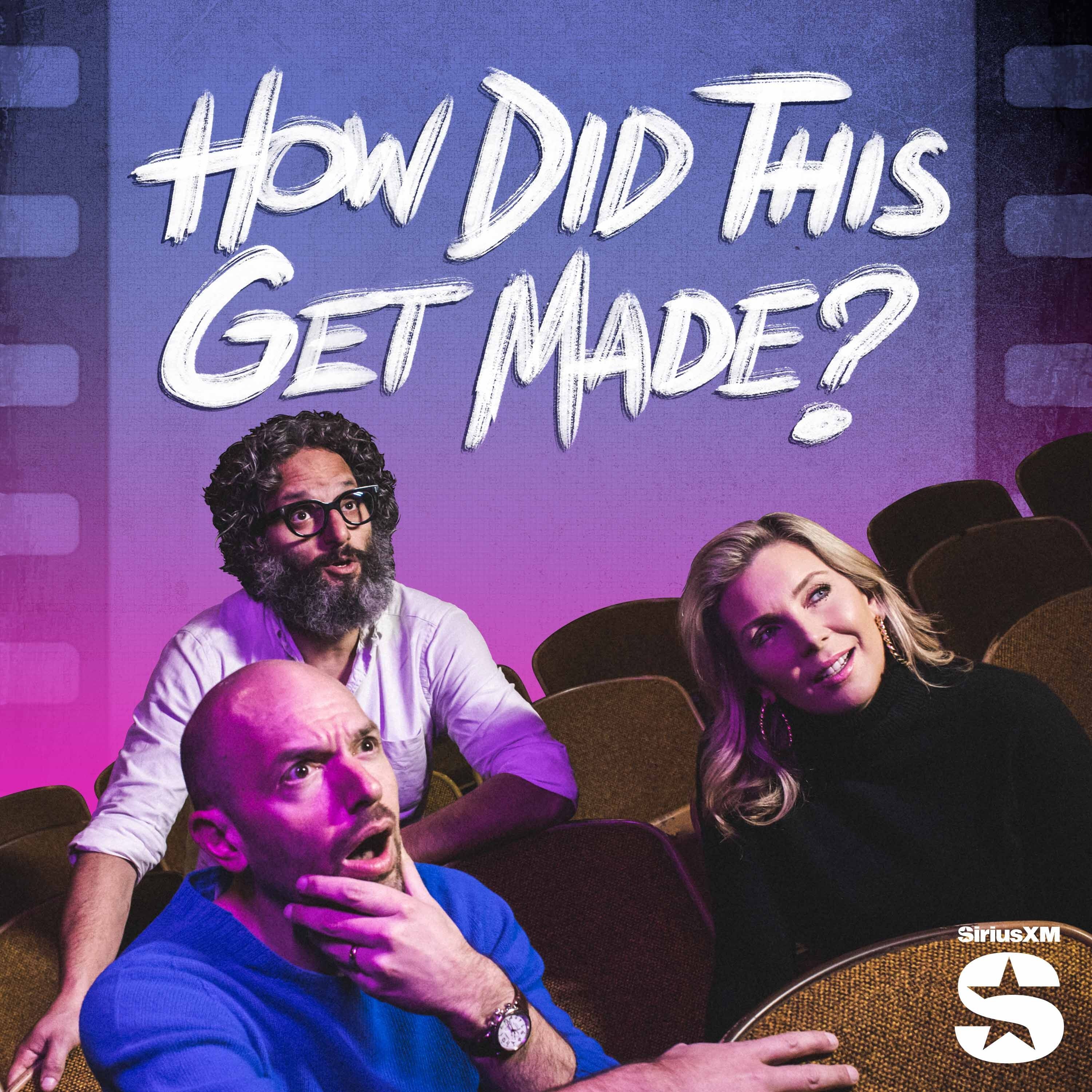
Overview of The Legend of Billie Jean LIVE!
This live How Did This Get Made? episode features Paul Scheer, June Diane Raphael, and Jason Mantzoukas dissecting the 1985 cult film The Legend of Billie Jean in front of a Largo audience. The conversation centers on why the movie failed commercially, why it has since developed a passionate fanbase, and how its “kid logic,” feminist themes, and anti-establishment energy make it feel unexpectedly ahead of its time.
The hosts are overwhelmingly enthusiastic about the film, even while debating some of its logic and plotting. The discussion becomes a spirited mix of appreciation, criticism, audience participation, and personal anecdotes about growing up with 1980s teen movies.
What the Movie Is About
The film follows Billie Jean Davy (Helen Slater), her younger brother Binks, and their friends after a confrontation with a local bully and his sleazy father escalates into violence and a runaway road story.
Core plot points discussed
- Binks’ scooter is destroyed by bully Hubie.
- Billie Jean demands compensation from Hubie’s father, Mr. Pyatt/Piot, who instead attempts to sexually assault her.
- Binks shoots the man, and the group goes on the run.
- Billie Jean becomes a folk hero after the story spreads through the media.
- The film follows their escape, their encounters with other teens, and Billie Jean’s growing symbolic status.
Main Takeaways from the Hosts
The movie is seen as a misunderstood cult classic
- June and Jason call it one of the best episodes/movies they’ve covered.
- They argue it was ahead of its time, especially in how it centers kids’ perspectives and refuses to treat Billie Jean like a typical action hero.
- Paul is more focused on logic gaps, but even he acknowledges the film’s appeal and the strength of some individual scenes.
It’s a “kid logic” movie
A recurring point is that the movie operates according to how teenagers and children think:
- They react emotionally and immediately.
- They make huge decisions with incomplete information.
- They avoid adult systems because they assume adults won’t protect them.
The hosts love that the film rarely cuts away to adults in a way that would “explain” the kids’ lives.
Billie Jean as a feminist and maternal figure
June offers one of the strongest readings of the movie:
- Billie Jean functions as a mother/sister protector figure.
- The film is less about “girl power” in the action-movie sense and more about caretaking, endurance, and speaking up for kids who aren’t heard.
- Billie Jean’s power comes from persistence, empathy, and leadership rather than physical dominance.
Notable Scenes and Moments They Loved
The period scene
The hosts repeatedly praise the scene where a girl gets her period and another older girl helps her through it.
- They call it rare and emotionally truthful.
- June says it felt revolutionary to see young women depicted with that kind of care and normalcy.
Billie Jean’s haircut reveal
The haircut scene becomes a major point of fascination:
- The hosts call it one of the greatest haircut reveals in movie history.
- They discuss how stylized it looks and how it becomes part of Billie Jean’s transformation into a kind of Joan of Arc figure.
The “final hole” mini-golf sequence
They love the mini-golf hideout and how the movie shifts into an almost John Hughes-like vibe before returning to its more serious themes.
The videotape confession
The tape Billie Jean records to explain her side of the story is singled out as a key moment.
- The hosts argue over whether she should explicitly say Mr. Pyatt tried to rape her.
- June and a later audience member emphasize that she is not obligated to narrate her trauma for public consumption.
- Paul initially frames it as a strategic issue, while the others frame it as a matter of agency and survival.
Themes and Interpretations
Class conflict and anti-capitalism
The film is read as a class story as much as a teen rebellion movie:
- Billie Jean and her friends are clearly working-class/trailer-park kids.
- The rich and powerful dismiss them immediately.
- Mr. Pyatt profits off the Billie Jean legend by selling merch and posters, which the hosts read as a satirical, almost anti-capitalist joke.
Adults are mostly useless or harmful
A major throughline is the film’s distrust of adults:
- Mr. Pyatt is a predator.
- The police are slow or ineffective.
- Most grown-ups either misunderstand the situation or exploit it.
- The exceptions, like Peter Coyote’s character, are notable because they actually listen.
Queer and alternative readings
June and Jason both entertain more open-ended readings of Billie Jean’s identity and relationships:
- Billie Jean’s chemistry with Lloyd is tender but not overtly sexual.
- The film’s emotional center isn’t romance but solidarity and care.
- The hosts also note that Billie Jean’s styling and presentation feel iconically “alt” and influential.
Violence without glorification
They stress that the movie is not Bonnie and Clyde or Natural Born Killers:
- Billie Jean is not on a gleeful crime spree.
- The film doesn’t celebrate violence as empowerment.
- Instead, it frames her as someone trying to stop chaos and protect children.
Audience Q&A Highlights
The live audience becomes a major part of the episode. A few recurring questions and debates:
-
Why does the film treat Billie Jean like a hero when the boy actually fired the gun?
The hosts explain that the movie’s public narrative simplifies the story and turns Billie Jean into the symbolic face of resistance. -
Why do people buy merch from the man supposedly victimized?
The hosts debate whether this is satire about consumerism and image-making, or just a funny plot oddity. -
Why doesn’t Billie Jean say directly that she was assaulted?
This leads to a deeper discussion about trauma, victim-blaming, and the right not to narrate abuse for others. -
Did the Slater siblings seem like they were dating at first?
Several audience members and hosts admit the brother-sister dynamic can feel oddly flirtatious in the opening scenes. -
Why are the fake guns so realistic?
This sparks a nostalgic tangent about 1980s toy guns and childhoods with much looser boundaries.
Behind-the-Scenes Trivia and Production Notes
Original script vs. final film
Jason shares research showing that the original script was much more exploitative:
- It reportedly contained more gratuitous nudity.
- Billie Jean and other characters were described more generically and sexually.
- Director Matthew Robbins helped reshape it into a more feminist, character-driven film.
Pat Benatar connection
The hosts discuss Pat Benatar’s criticism of the movie, despite her song “Invincible” being such a perfect fit for it.
- They note how the song is woven through the soundtrack and pays off beautifully in the film.
- They strongly disagree with Pat Benatar’s negative view of the movie.
Based on a real figure
The film was loosely inspired by the Indian outlaw-turned-legend Phoolan Devi:
- She was a victim of abuse who later became a Robin Hood-like folk hero.
- The hosts mention this as a surprising and fascinating real-world anchor for the story.
Final Verdict
The hosts end up unified in their love for the film, despite the ongoing debates about its logic and storytelling choices.
Their shared conclusion
- It’s a cult classic that was ahead of its time.
- It works best as a kid’s-eye-view story about injustice, self-defense, and solidarity.
- Helen Slater’s performance, the soundtrack, and the film’s emotional sincerity make it memorable and rewatchable.
- June and Jason in particular recommend it enthusiastically and say it should be watched regularly.
Bonus: The Episode’s Overall Mood
This live episode is as much a celebration as a critique:
- goofy,
- passionate,
- emotionally charged,
- and full of recurring “fair is fair” jokes.
The audience clearly loves the movie, and the hosts ultimately do too — even Paul, who spends much of the episode arguing with the more idealistic readings, ends by acknowledging that the film deserves its cult status.