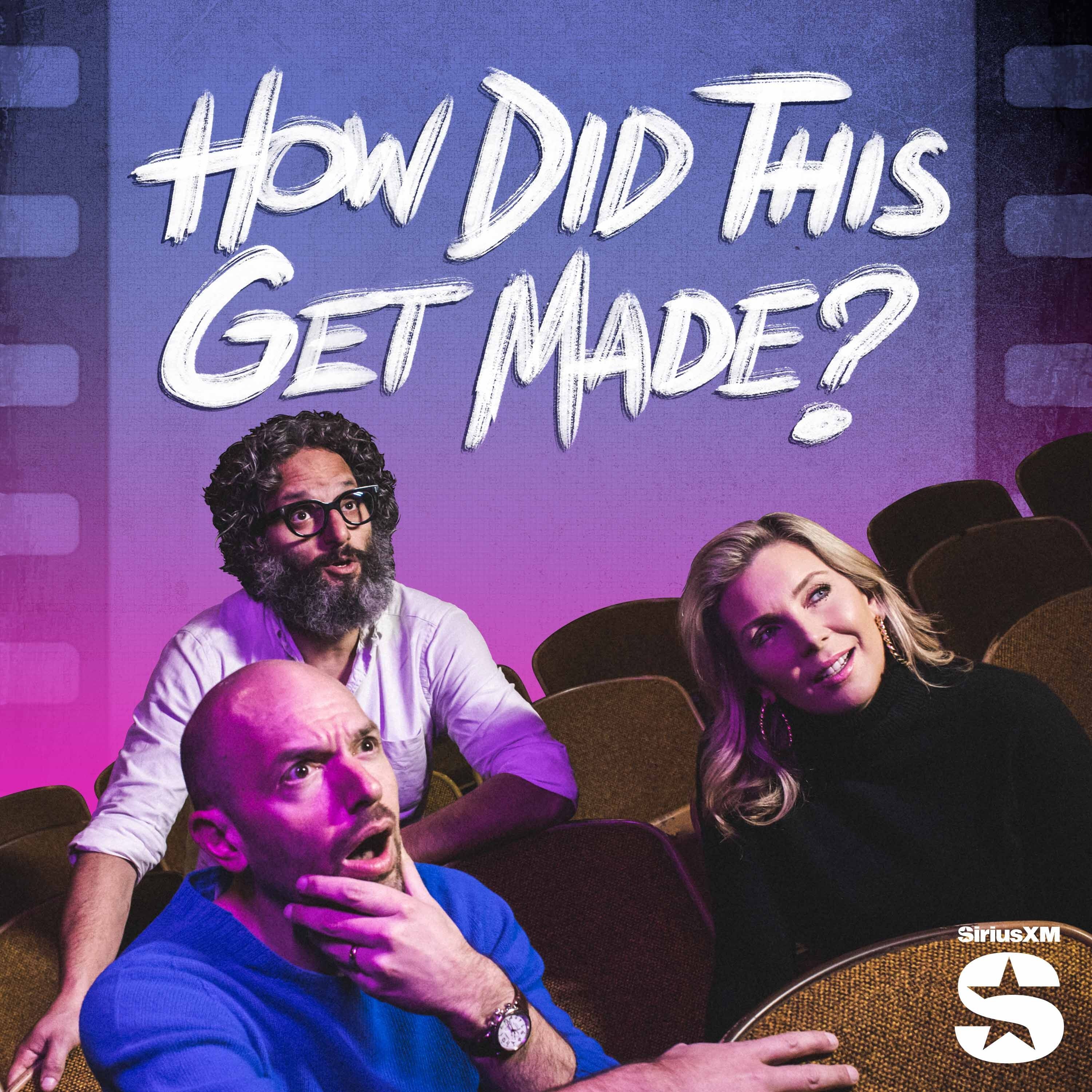
Overview of The Lake House LIVE! w/ Aisling Bea & Starlee Kine (Classic)
This live How Did This Get Made? episode takes on The Lake House, the 2006 romance/time-travel drama starring Keanu Reeves and Sandra Bullock. Paul Scheer and Jason Mantzoukas are joined by guests Aisling Bea and Starlee Kine for a very passionate, very funny breakdown of a movie whose emotional sincerity is repeatedly undercut by its baffling logic, strange kissing, and endlessly debatable rules of time travel. The conversation becomes less about whether the film “works” and more about how a movie can be this serious while making so little sense.
Main Topics and Takeaways
The movie’s central absurdity
- The panel spends most of the episode untangling the premise: two people in different years communicate through a magical mailbox at the same lake house.
- Their big complaint: the timeline is impossible to follow, and the film never seems interested in explaining its own rules.
- The group keeps returning to the fact that the characters live only two years apart, which makes the whole setup feel needlessly complicated for something that should be solvable by a phone call or a Google search.
The kissing
- The kiss scenes are a major running bit throughout the episode.
- Everyone agrees the kissing is weird, awkward, and oddly unconvincing for a movie built around romance.
- The final kiss in particular becomes a comic obsession: it’s described as too small, too careful, and somehow worse given that the stars had much better chemistry in Speed.
The logic of the mailbox and time travel
- The hosts and guests repeatedly ask why the mailbox is the only mechanism for communication.
- They note that if the characters can correspond through time, they should be able to do far more useful things: warn about deaths, make money, share information, or simply coordinate a meeting.
- The movie’s “rules” are treated as arbitrary, especially when the tree gets altered and time changes in ways that feel inconsistent.
Keanu Reeves, Sandra Bullock, and Speed
- A big part of the discussion centers on the fact that this film reunites Keanu Reeves and Sandra Bullock after Speed.
- That shared history makes the romance feel more emotionally loaded, but also more awkward because the chemistry is discussed as both real and strangely unusable here.
- Sandra Bullock is praised for elevating a script full of nonsense, while Keanu’s character is analyzed as a brooding architect with serious daddy issues.
The dog, Jack
- The dog, Jack, becomes a surprisingly important focus.
- At one point, the group jokes that the dog may actually be the true force controlling the film’s events.
- “Jack” is linked to Speed in one of the episode’s recurring jokes, and the audience clearly enjoys the increasingly unhinged dog theory.
The father-son plot
- The film’s emotional backbone shifts away from the romance and into Keanu’s relationship with his father, which the panel feels is awkwardly wedged into the story.
- They argue the movie is trying to do too many things at once: romance, grief, architecture, family trauma, and time travel.
- The father subplot gets interpreted as the “real” conflict the script cares about, even though it often feels disconnected from the time-travel premise.
Best Bits and Running Jokes
“What if it were dirtier?”
- The guests joke that the movie might actually work better as a much more explicit, raunchy version.
- They riff on how the correspondence could have been about sex, fantasies, and more direct physical desire, rather than restrained longing and poetic notes.
The mailbox as a sexual device
- A recurring joke imagines the mailbox as a place for far more intimate contact than letters.
- This leads to several absurd lines about body parts, timing, and “mailbox sex” as the logical endpoint of the premise.
“Red flags” and the absurdity of waiting
- The panel repeatedly notes that both characters have every opportunity to stop the madness and meet normally.
- Instead, they choose to keep sending letters and making their lives more complicated, which the group frames as a giant series of red flags.
The audience energy
- Because it’s a live show, the crowd becomes part of the experience, especially during the most absurd plot-logic debates.
- The audience questions at the end help extend the bit, with people proposing alternate titles, theories, and explanations that only make the movie even funnier.
Audience Q&A Highlights
Questions about the timeline
- Audience members raise major practical questions:
- Why didn’t they just meet sooner?
- Why didn’t they use the mailbox for better things?
- How could they not realize what was happening sooner?
- The hosts mostly agree that the film’s logic is unsalvageable, but that the confusion is also part of the fun.
Alternate theories
- One audience member suggests the movie could be read as a “Jacob’s Ladder” style dying dream.
- Others offer titles like:
- Daddy Issues: A Love Story
- Red Flags
- Speed 3: The Slow Lane
- These alternate readings and titles reflect the episode’s tone: affectionate mockery with a lot of improvisational chaos.
Notable Verdict
- The group does not think The Lake House makes sense.
- They do, however, acknowledge that it is oddly watchable, emotionally effective in places, and elevated by Sandra Bullock’s performance.
- The episode’s final consensus is basically:
- the movie is nonsense,
- the kiss is bizarre,
- the dog may be God,
- and somehow, everyone still cried.
Bottom Line
This episode is less a conventional review and more a live dissection of a famously illogical romance. If you want:
- a detailed takedown of The Lake House,
- a lot of jokes about bad kissing and time-travel rules,
- and a genuinely funny live-panel chemistry,
this is a great How Did This Get Made? episode to revisit.