Overview of Super Mario Brothers LIVE! (Classic)
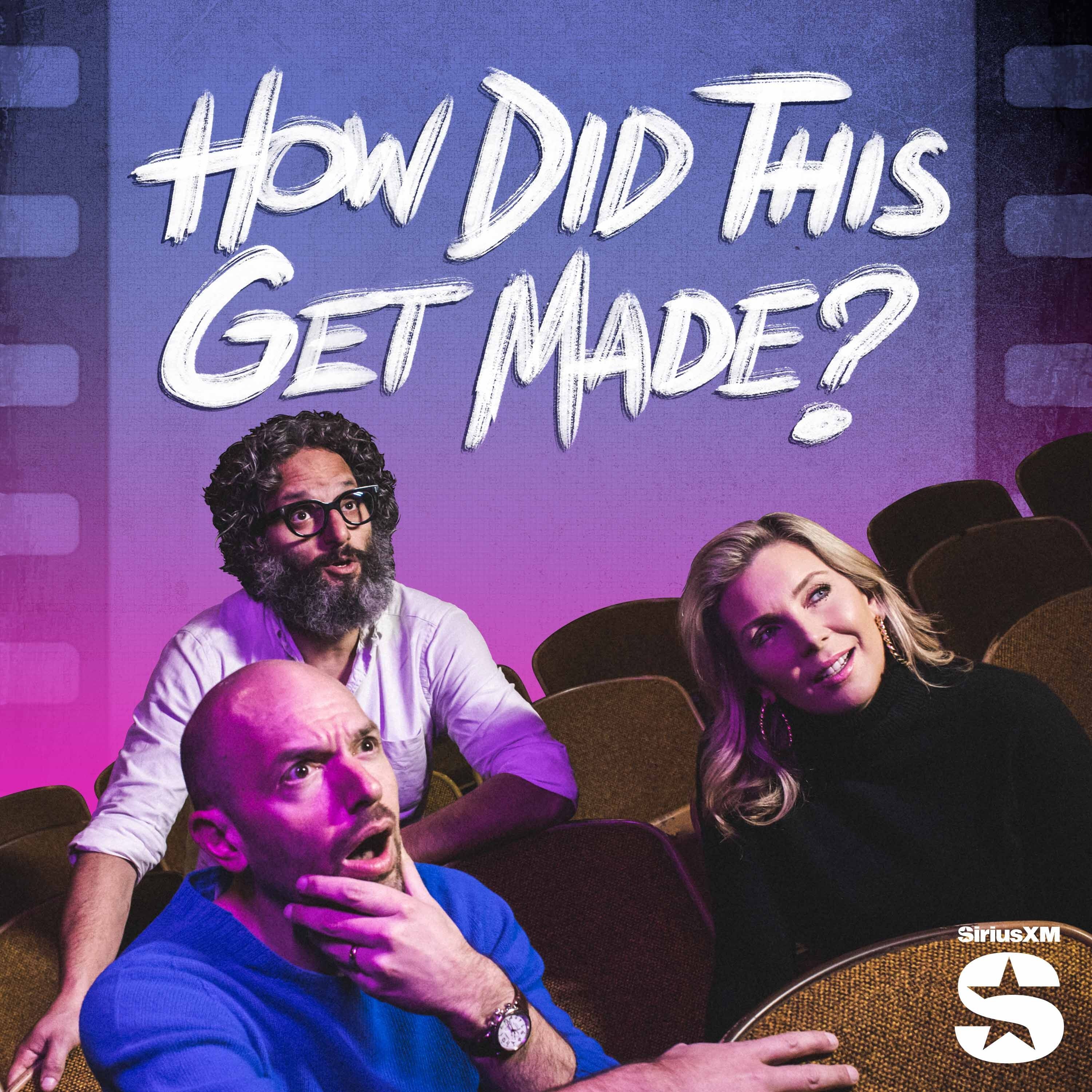
This is a live How Did This Get Made? episode (Earwolf) recorded at Bumbershoot. Hosts Paul Scheer, Jason Mantzoukas and June Diane Raphael are joined by guest Jenny Slate to dissect and mock the 1993 film Super Mario Bros. — a dystopian, dinosaur-themed, wildly divergent movie adaptation of the Nintendo game. The conversation mixes plot recap, repeated scene playbacks, production trivia, audience Q&A, and verdicts on why the film failed commercially but found a devoted cult following.
Hosts & format
- Hosts: Paul Scheer, Jason Mantzoukas, June Diane Raphael
- Guest: Jenny Slate
- Live audience format: film clips shown, hosts riff and take audience questions.
- Focus: comedic deconstruction of the film’s bizarre creative choices, themes, and production stories.
What the episode covers
- Short plot primer: two Brooklyn plumbers (Mario — Bob Hoskins — and Luigi — John Leguizamo) get sucked into an alternate dinosaur-evolved dimension ruled by King Koopa (Dennis Hopper). Princess Daisy (Samantha Mathis) is kidnapped; the plumbers work to stop Koopa, contend with Goombas, sentient goo, and a de-evolution machine.
- Key scenes repeatedly discussed: the opening meteor/dinosaur animation; dino-land sequences (Yoshi-like raptors); Mojo Nixon’s turn into a Goomba; Dennis Hopper’s goo scenes; the coin/Koopa coin beat; the climactic mushroom payoff; credit-sequence gag tying the story back to Japanese game makers.
- Live audience interaction: questions about odd props (election posters in a dictatorship), the Twin Towers–like imagery, the size of Koopa’s world, and assorted plot/logic holes.
Major criticisms and puzzling creative choices
- Film departs radically from game tone and iconography: bleak, Blade Runner–style dystopia rather than colorful platformer feel; few familiar game motifs preserved (notably missing: gold coins and the game’s lightheartedness).
- Character re-writes: Mario and Luigi are not biological brothers; Mario’s accent/portrayal inconsistent; unusual adult/sexual subtext and kidnapping-as-camp.
- Worldbuilding logic gaps: meteor → alternate dimension premise, police/culture reactions to plumbers, inconsistent rules for Goombas and technology.
- Editing & post-production issues: many ADR lines, awkward exposition ("we're still in the police station") and jarring tonal edits.
- Disturbing imagery: one shot resembling collapsing towers was flagged as especially upsetting by the hosts and audience.
Praises, memorable strengths, and cult appeal
- Performances: Bob Hoskins is praised for anchoring the film; Dennis Hopper gives committed, memorable performance (notably in goo scenes); Mojo Nixon’s Goomba arc is highlighted as a surprisingly satisfying beat.
- Visual creativity: bizarre production design (desert city under the bridge, Pluto Nash–like sets), experimental ambition.
- Cult status: despite box office failure, the movie has a passionate fanbase; some five-star Amazon reviews are affectionate and enthusiastic.
- Final-credit gag: the mid/end-credit scene where Japanese developers buy the story is noted as a wry explanation for the original game–movie disconnect.
Notable production trivia mentioned
- Budget & box office: reportedly ~ $48 million budget; ~ $21 million domestic gross (commercial flop).
- Casting anecdotes: Tom Hanks and Danny DeVito were reportedly approached/considered; Bob Hoskins was allegedly unaware the script was based on a video game until his son showed him the game mid-shooting.
- On-set madness: claims include Bob Hoskins drinking during filming; director Rocky Morton allegedly poured hot coffee on an extra over costume dissatisfaction; Leguizamo later recounts difficult memories in his memoir.
- Technical oddities: heavy use of ADR; extensive re-dubbing and reworking in editing.
Themes & interpretations raised by hosts
- Two competing arcs: trust/faith (Luigi’s arc) vs. self-reliance/use-your-tools (Mario’s arc) — hosts toy with reading it as a quasi-religious moral.
- The hosts also treat the film as experimental art — “student film with a big budget” — which explains its enduring curiosity value.
Memorable quotes / lines from the episode
- “This movie is art. It is the closest thing to art that I’ve seen. It’s experimental art.”
- “This movie is about how the Mario Brothers became super.” (noted as the film’s final line)
- “Stay through the credits — there’s a scene that ties it back to video-game origins.”
Recommendations / who should watch
- Recommended if: you enjoy cult cinema, movies that are bizarrely wrong in interesting ways, Dennis Hopper at full tilt, or group/party viewings where riffing is fun.
- Not recommended as a faithful video-game adaptation or family/kid entertainment (contains adult themes, grotesque imagery, and tone inconsistency).
- Viewing tip: watch with friends, take in small doses, and definitely watch the end-credit scene.
Quick reference / takeaways
- Film: Super Mario Bros. (1993) — bizarre, dystopian, widely criticized but cult-loved.
- Hosts: Paul Scheer, Jason Mantzoukas, June Diane Raphael; Guest: Jenny Slate — live at Bumbershoot.
- Production notes: $48M budget, $21M gross; notorious on-set stories and radical game-to-film adaptation choices.
- Final note from hosts: the episode is affectionate mockery — the movie is “worth watching” for its sheer audacity and unforgettable scenes (Dennis Hopper + goo, Mojo Nixon Goomba, opening dinos). Stay through the credits.