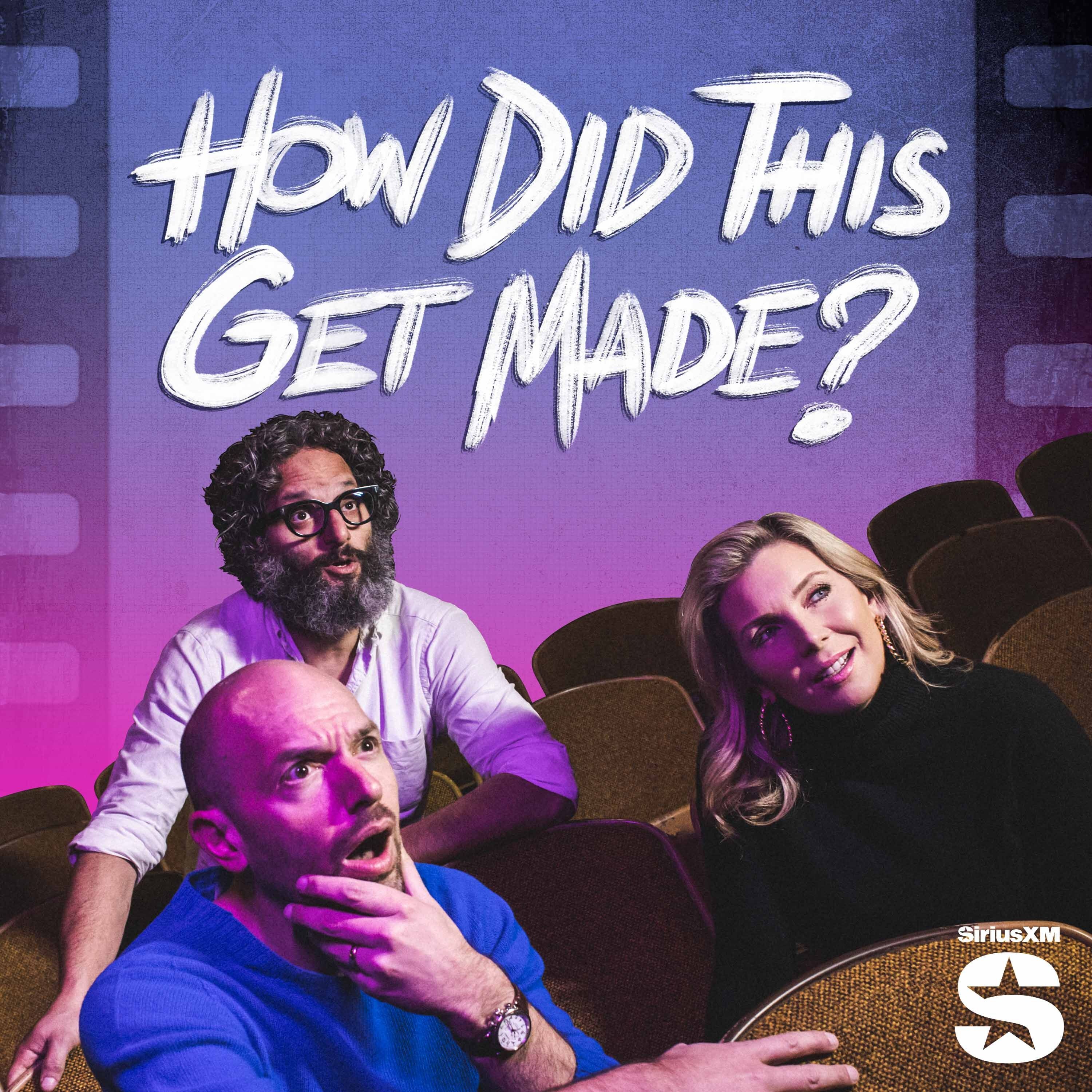
Overview of Streets of Fire LIVE! w/ Rachel Bloom & Jessica St. Clair (Classic)
In this live How Did This Get Made? episode, Paul Scheer, Jason Mantzoukas, Rachel Bloom, and guest Jessica St. Clair tear into Walter Hill’s 1984 rock-and-roll fable Streets of Fire—a visually striking but, in their view, bizarrely flat movie that mixes biker gangs, musical staging, noir, western, and sci-fi vibes without ever fully working as a story. The panel’s main takeaway: the movie looks cool, has an incredible cast, and contains memorable images, but its plot, tone, and world-building are wildly confusing and oddly inert.
Main Takeaways
The movie’s style is stronger than its story
- The hosts agree the production design is impressive, with a retro-futurist look that blends:
- 1950s biker iconography
- 1980s music-video energy
- noir/western atmosphere
- Blade Runner / Brazil-style futurism
- Despite all that, they argue the film feels emotionally flat and narratively thin.
The timeline and setting are impossible to pin down
- A recurring joke is that the film takes place “in another time and another place,” but nobody can really determine what that means.
- The panel fixates on how the movie feels like:
- a 1950s world filtered through the 1980s
- a “musical fable” where everyone dresses like they’re in a different genre
- They also joke that the geography is absurd, with characters somehow taking hours to travel through what feels like a few blocks.
The kidnapping plot is bizarrely soft and oddly phrased
- Diane Lane’s character, Ellen Aim, is “stolen” by Willem Dafoe’s biker gang.
- The panel laughs at how the movie avoids the word “kidnapping” and instead uses language like “stole her.”
- They also note the gang’s behavior is strangely inconsistent:
- extreme violence and destruction
- but also oddly gentle “kiss-raping” behavior in the opening sequence
Rick Moranis is a standout
- The hosts are split on whether Rick Moranis is miscast, but they all agree he commits hard and is one of the film’s most entertaining elements.
- His character is described as an aggressive, smug, surprisingly tough version of Moranis.
- They jokingly compare him to Howard the Duck and praise his ability to dominate every scene.
Michael Paré’s performance is questioned, but also defended
- The panel debates whether Michael Paré is actually a good actor or just trapped in a strange script.
- They note his performance is very flat in a way that may be intentional for the film’s noir/western style.
- There’s also discussion of how the role may have been written for bigger stars before ending up with Paré.
Willem Dafoe is one of the film’s most vivid elements
- The group loves how young and weird Willem Dafoe looks as the villain Raven.
- His wardrobe is singled out as memorable and absurd.
- Even though the plot around him is thin, he gives the movie some much-needed menace and personality.
Notable Bits and Running Jokes
The movie’s opening is relentless
- They joke that the credits take forever.
- The opening fight/kidnapping sequence escalates from simple chaos into absurdly over-the-top violence.
- They mock the film’s editing, including its flashy star wipes.
Violence is weirdly efficient
- People in the film are knocked out far too easily.
- One punch can immediately render someone unconscious.
- Motorcycles explode from tiny impacts, which the panel finds hilarious.
The film’s logic around “honor” is nonsense
- An audience question leads to a discussion of why the cops and characters keep talking about honor when the plot is really just about a kidnapping and rescue.
- The panel concludes the movie’s moral code is mostly just macho posturing.
McCoy and Tom Cody
- The hosts spend a lot of time joking about the relationship between McCoy and Tom Cody.
- One audience member argues McCoy may not be a lesbian after all; the panel treats it as a fun ambiguity and part of the film’s weird character dynamics.
- They also joke that the strongest chemistry in the movie may be between Tom Cody and his sister, which they interpret as accidentally incestuous subtext.
Dottie goes nowhere
- The character Dottie is a major source of confusion for the panel.
- She seems to exist for no clear reason and contributes little to the plot.
- The hosts joke she may have come from a completely different movie.
Audience Q&A Highlights
The audience helps fill in the film’s gaps
- Questions from the crowd focus on:
- how long Ellen is kidnapped
- why the cops do so little
- whether the film is secretly about honor, pride, or romance
- whether McCoy is queer-coded
- why certain characters are in the movie at all
A fun theory: the movie influenced video games
- One audience member suggests Streets of Fire helped inspire Japanese side-scrolling action games like:
- Street Fighter
- Streets of Rage
- Double Dragon
- The panel loves the idea and riffs on it as if they’ve cracked the code.
The “Second Opinion” Segment
Amazon reviews are used for comedy
- The episode closes with hilariously unhinged five-star Amazon reviews, including:
- someone who says they loved the movie despite having crapped their pants before it started
- a review that treats the film like divine intervention during a power outage
- a review simply declaring, “I am Ellen Aim”
- The hosts interpret these as either genuine cult devotion or cries for help from deeply unstable spouses.
Final Verdict
- The panel’s overall position is that Streets of Fire is:
- visually impressive
- tonally bizarre
- full of great cast members
- and dramatically underwritten
- They don’t deny its cult appeal, but they see it as a movie with huge ambition and strange energy that never quite coheres.
Extra Notes
- June Diane Raphael is absent; Jessica St. Clair fills in as the guest host.
- The episode includes mention of the film originally being conceived as part of a trilogy, with planned follow-ups titled The Far City and Cody’s Return.
- The group also jokes about an unlicensed sequel, Road to Hell, involving Michael Paré.